Bullies (FYE #6)

Play

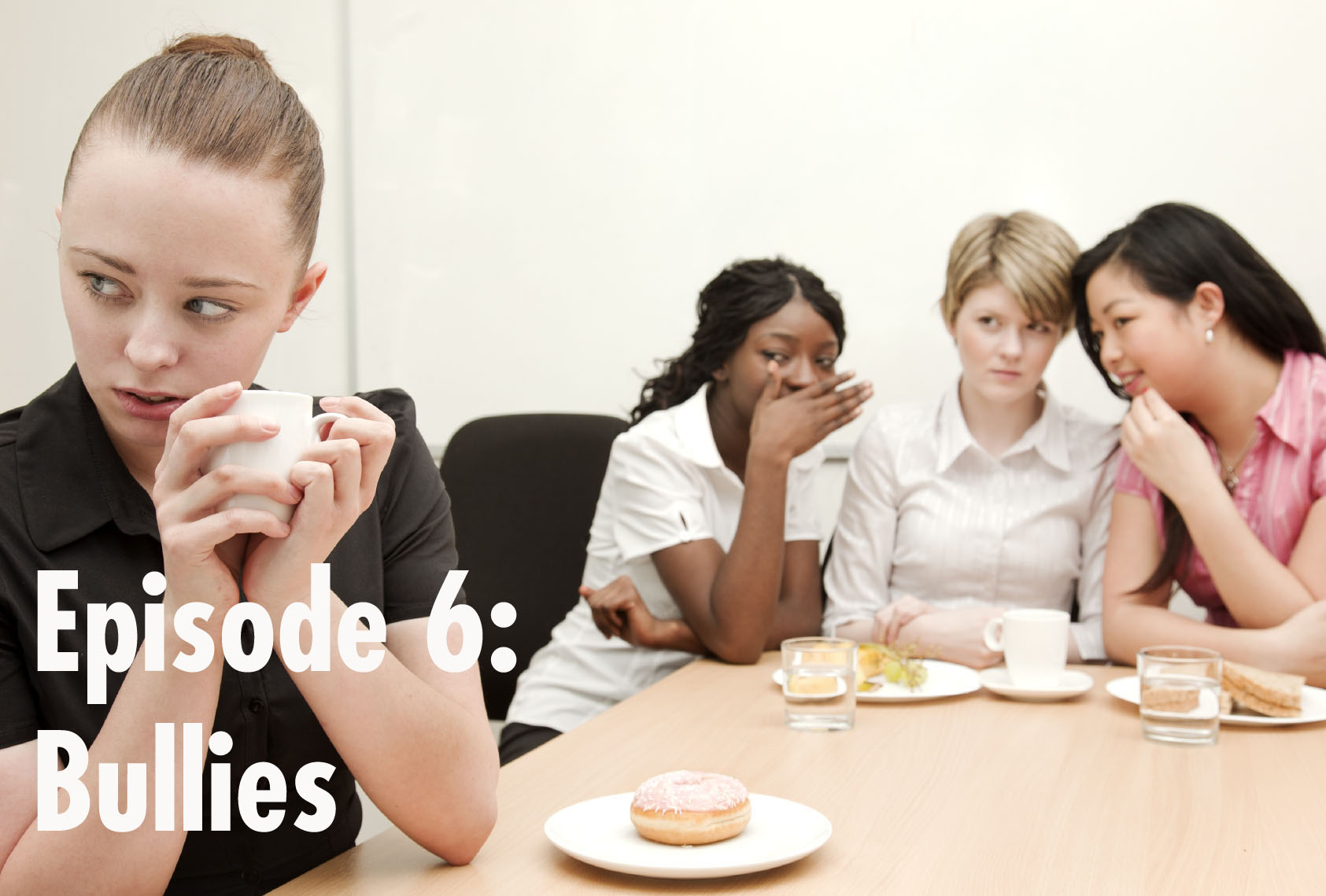
Bullying is the most common form of violence in America and often carries into adulthood. Every day, more than 160,000 students stay home from school because they fear being bullied. This week, we discuss bullying at length. Poet Shane Koyczan uncovers the dark beginnings of “To This Day,” a poem abut bullying that went unexpectedly viral. We talk with Emily Bazelon, author of Sticks and Stones, to learn more about the bullying phenomenon. Dr. William Copeland reveals how bullying’s long-term effects extend into adulthood and discusses an unprecedented study that followed 1,420 kids from North Carolina for twenty years. Distinguished author James Lasdun tells us how a relentless student cyberstalked him and refuses to stop to this very day. And we find out how an innocent girl with progeria was relentlessly tortured by cyberbullies who reviled her for no good reason at all.


6a

As if Broken Bones Hurt More

Shane Koyczan read his poem, “To This Day,” over a video that was animated by volunteers. The video became a YouTube sensation, racking up five million views in a week. But before Koyczan had poetry, there was the daily hell at school in which he was singled out for being different. Now that the bully’s reach has extended beyond the classroom, Koyczan discusses how conversation and compassion are invaluable tools against the hate and meanness. (Beginning to 5:46)


6b

More Than Sticks and Stones

Emily Bazelon, author of Sticks and Stones and senior editor at Slate, reveals how Swedish psychologist Dan Olweus has developed an anti-bullying program in place within many of America’s schools right now. But how can kids stick up for themselves? And what of school principals who believe that putting the bully and the victim in the same room to talk out the problem? And with so many other national problems, why should we care about bullying? (5:46 to 12:10)


6c

The Long-Term Effects of Bullying

In late February, JAMA Psychiatry published a report revealing how the long-term effects of bullying stretched into adulthood. In an unprecedented undertaking, 1,420 kids from Western North Carolina were asked about bullying at various points in their life over a twenty-year period by a group of psychologists. For subjects who had been bullied in school, depression and anxiety continued into their twenties. We talked to Dr. William Copeland, the lead researcher, to learn what this means for those who past, present, and future children. (12:10 to 25:02)


6d

On Being Cyberstalked

James Lasdun is a heralded poet, a celebrated novelist, and a distinguished and generous teacher of creative writing. But when a former student started sending him emails, Lasdun’s quiet life turned into a nightmare. His new memoir, Give Me Everything You Have, chronicles the ongoing horror. (25:02 to 53:24)


6e

The Princess and the Trolls

Adalia Rose is a five-year-old girl suffering from progeria. She lives in a modest apartment with her single mother. But Adelia’s harmless videos became a dark magnet for trolls. We chat with Camille Dodero, who wrote a lengthy investigative piece for Gawker, about why the trolls found the prospect of picking on an innocent girl so funny and reveal how high-profile cyberbullying feeds into another American sickness. (53:24 to end)


Loops for this program were provided by The Psychotropic Circle and Martin Minor. Follow Your Ears Theme (licensed) by Mark Allaway.

Follow Your Ears #6: Bullies (Download MP3)

This text will be replaced

Rebels (FYE #5)

Play

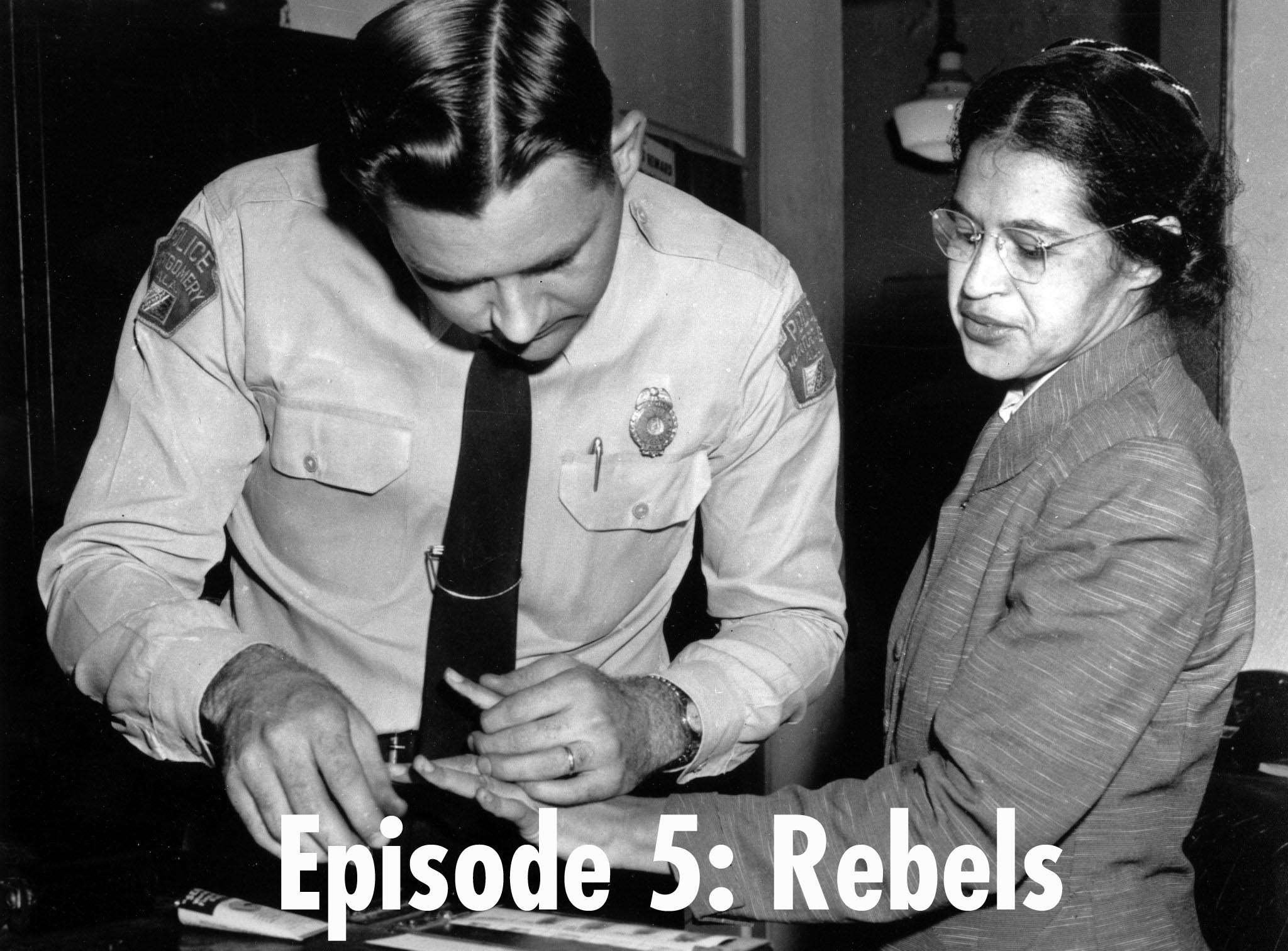
The rebel. You’d think that a culture that gave us John Brown, Margaret Sanger, and Rosa Parks would be more encouraging of this proud American tradition. This week we examine why rebels get the short end of the stick. We talk with historian Jeanne Theoharis about how Rosa Parks’s rebellious life has been swept under the carpet of modern American history, examine Pussy Riot’s rebellious legacy with many of the band’s supporters, and chat with a rebel journalist about a mysterious shooting in Missouri and the pros and cons of assumption.


5a

Robbie the Rebel

Have you heard the tale of Robbie the Rebel? We all know him to some degree. One last exiguous belch from the 20th century. But in this nine minute performance of an allegorical tale of a rebel emerging from the dregs of the 20th century, we establish a template for this program. (Beginning to 9:43)


5b

Seeking Rebellion in Times Square

Times Square was once devoted to go-go bars, adult theaters, and other rebellious fixtures of New York City. But in 2013, rebellion is more of a commodity. In these series of street conversations, we ask people to tell us the most rebellious thing they have ever done. Some of our subjects are adamantly against rebellion. Others are on the fence. By sheer fluke, many of the people included in this segment are from the United Kingdom, and those from across the pond are more committed to spilling the rebellious beans than Americans. (9:43 to 13:03)


5c

Callion Hamblin and the Case of the Rebel Journalist

In 2010, novelist Frances Madeson moved to Farmington, Missouri and became the editor and publisher of The Madison County Crier, where her rebellious take on the local biweekly newspaper proved alluring yet controversial. Madeson doesn’t see herself as a journalist, but a literary artist. In recent months, Madeson has concerned herself with a St. Louis Post-Dispatch story about Callion Hamblin, a 32-year-old man on the run from police and bounty hunters and killed by the police during the early morning of February 20, 2012. Madeson believes the story to adhere to an official narrative that must be resisted. But because the facts aren’t all in, Follow Your Ears questions Madeson’s approach and engages in an unexpected examination of journalism vs. literary artistry, talking with Hamblin’s ex-wife and the local coroner, and wondering if rebel journalism is all that it’s cracked up to be. (13:03 to 38:28)

(Shortly after this program aired, the Associated Press’s Alan Scher Zager filed a new story on Callion Hamblin, with statements from the county prosecutor and more details about the autopsy report.)


5d

Pussy Riot: The Legacy of Punk Prayer

On February 21, 2012, one day after Callion Hamblin was shot in Missouri, Pussy Riot performed “Punk Prayer” at Moscow’s Cathedral of Christ the Savior to protest the Orthodox Church leader’s support for Vladimir Putin during his reelection campaign. Three members of Pussy Riot were arrested weeks later and held without bail, kept in custody on charges of hooliganism. Two of the three members were sentenced to two years in a penal colony, with this gross injustice attracting notice and support from around the world. During the print release of Pussy Riot: A Punk Prayer for Freedom, we talk with Feminist Press editorial director Amy Scholder, Zena Grubstein, producer for the documentary Pussy Riot: Punk Prayer, poet Eileen Myles, Laurie Weeks, Johanna Fateman, Barbara Browning, and Elizabeth Koke to learn more about how Pussy Act’s brave act of rebellion impacted the world at large. (38:28 to 47:16)


5e

Rosa Parks: Not Just a Meek Seamstress

The historians and the statesmen describe Rosa Parks as a meek seamstress who boarded a segregated bus after a long and tired day of work on December 1, 1955. She refused to give up her seat to a white passenger when asked and, through one act of defiance, changed the course of civil rights. But as historian Jeanne Theoharis points out in her new book, The Rebellious Life of Mrs. Rosa Parks, Rosa Parks wasn’t nearly as quiet as history has painted her. (47:16 to end)


Loops for this program were provided by alividlife, minor2go, JoeFunktastic, supersymmetry, Jadon, hamood, DubTek, MaMaGBeats, DubDelta, Psychotropic_Circle, and MejiaM.

Follow Your Ears #5: Rebels (Download MP3)

This text will be replaced

Aid (FYE #4)

Play

Giving aid to nations and people who desperately need help has been an American staple for more than a century. Yet in 2013, aid has become more beholden to red tape and incompetence than ever before. This week, we go to Staten Island to talk with the organizers and volunteers of Occupy Sandy to find out how they helped people when others could not and get a sense of their philosophy. We talk with Jonathan Katz, the only full-time American journalist stationed in Hatii during the 2010 earthquake and reveal how billions of dollars given by Americans to help the impoverished and the homeless ended up in the wrong place.


4b

The Very Mass of Facts

On June 5, 1947, Secretary of State George Marshall said in his speech that “the very mass of facts presented to the public by press and radio make it exceedingly difficult for the man in the street to reach a clear appraisement of the situation.” But here at Follow Your Ears, we’d like to give a shot. (Beginning to 1:35)


4a

Occupy Sandy — Aid to Staten Island

Occupy Sandy emerged in the aftermath of last year’s hurricane. Aid wasn’t moving fast enough. So Occupy Sandy stepped in and has been hard at work ever since. We made a visit to Staten Island to spend some time with some of the people behind this relief effort. We chronicle the origins of Occupy Sandy, its philosophy and functional ethos, learn how volunteers juggle their time, and peek in on a “data entry party,” where hard won and carefully collected data from a neighborhood canvassing campaign is being placed into a computer so that other individuals and organizations can find new solutions. (1:35 to 14:26)


4c

Haiti — The Truck That Went By

Jonathan Katz was the only full-time American correspondent in Haiti when the devastating earthquake hit in 2010. His new book, The Big Truck That Went By, documents what happened in the quake’s aftermath and reveals how, despite $15 billion in donations, the aid didn’t always find its way to the people of Haiti. We learn discover how aid has greatly harmed the Haitian health services infrastructure, reveal how Bill Clinton’s best intentions are often guided by inflexible neoliberalism. (14:26 to end)

Loops for this program were provided by Joe Funktastic, hamood, The Psychotropic Circle, and builtmymusic.

Follow Your Ears #4: Aid (Download MP3)

This text will be replaced

Cycles (FYE #3)

Play

This week, we examine cycles. Are our lives and our culture locked within cycles? Are we aware of it? Should we be aware of it? Or is there a certain folly in paying too much attention? Our quest for answers has us talking with bike shop owners and a Finnegans Wake reading group. We reveal how Raiders of the Lost Ark caused two teenage boys to become consumed by a relentless cycle of remaking the movie they loved with limited cinematic resources. We also talk with Scottish novelist Ian Rankin about how he returned to Inspector Rebus and got caught up in cycles he couldn’t quite describe and Lesley Alderman, the author of The Book of Times, who shows us how being aware of time doesn’t necessarily preclude you from finding enticing new cycles of existence.


3a

Like Riding a Life

We begin our investigation into cycles by wandering around Brooklyn on a cold Saturday afternoon talking with various bike shop owners about how the cycles of life relate to their passion for bicycles. Our gratitude to Fulton Bikes, R&A Cycles, and Brooklyn Cycle Works for sharing their thoughts and feelings, which range from calmness to restrained anger. (Beginning to 4:11)


3b

Commodius Vicus of Recirculation

Every month, the Finnegans Wake Society of New York gets together in a Spring Street apartment and reads aloud a page of James Joyce’s cyclical masterpiece. And then they discuss the page, whatever theories they can find, for about two hours. Organizer Murray Gross tells us why it’s important to slow down. Other members tell us how they became unexpectedly married to the book. (4:11 to 10:09)


3c

Standing in Another Man’s Cycle

Are cycles a red herring? I spoke with the novelist Ian Rankin to get more answers. Rankin’s latest book, Standing in Another Man’s Grave, marks a surprise return to the Inspector Rebus series, which Rankin had closed out in 2007 with his 17th Rebus novel, Exit Music. Somehow Rebus eluded retirement and manged to cajole Malcolm Fox, the protagonist of Rankin’s new series, into the mix. This seemed as good a time as any to press Rankin on whether he’s caught in a pleasant cycle. Our side trips in this conversation include consideration of Anthony Powell, the A9 Motorway and its homicidal possibilities, Skyfall, 20th century policing instinct, and how men in their sixties get into fistfights. (10:09 to 40:15)


3d

Pardon Me, Do You Have the Time?

We meet Lesley Alderman, author of The Book of Times, a collection of time-related data that will make your more conscious of the clock than Christian Marclay. But we learn how being aware of the time doesn’t mean you can’t find enticing new cycles hiding behind the corners of your complex existence. (40:15 to 45:51)


4e

Raiders of the Lost Remake

It was 1982 and three twelve-year-olds in Mississippi decided to remake Raiders of the Lost Ark. This was before the Internet, before the movie had been released on VHS. These kids had to hustle. What they did not know was that their ambitious project would take up their next seven summers. They would grow up making this movie. We talk with Chris Strompolos, who starred as Indiana Jones in the remake, and Alan Eisenstock, author of Raiders, a new book documenting the remake. Was all the fun and youthful ingenuity a mask? Can a cycle of remaking beget a new cycle of remaking? (45:51 to end)


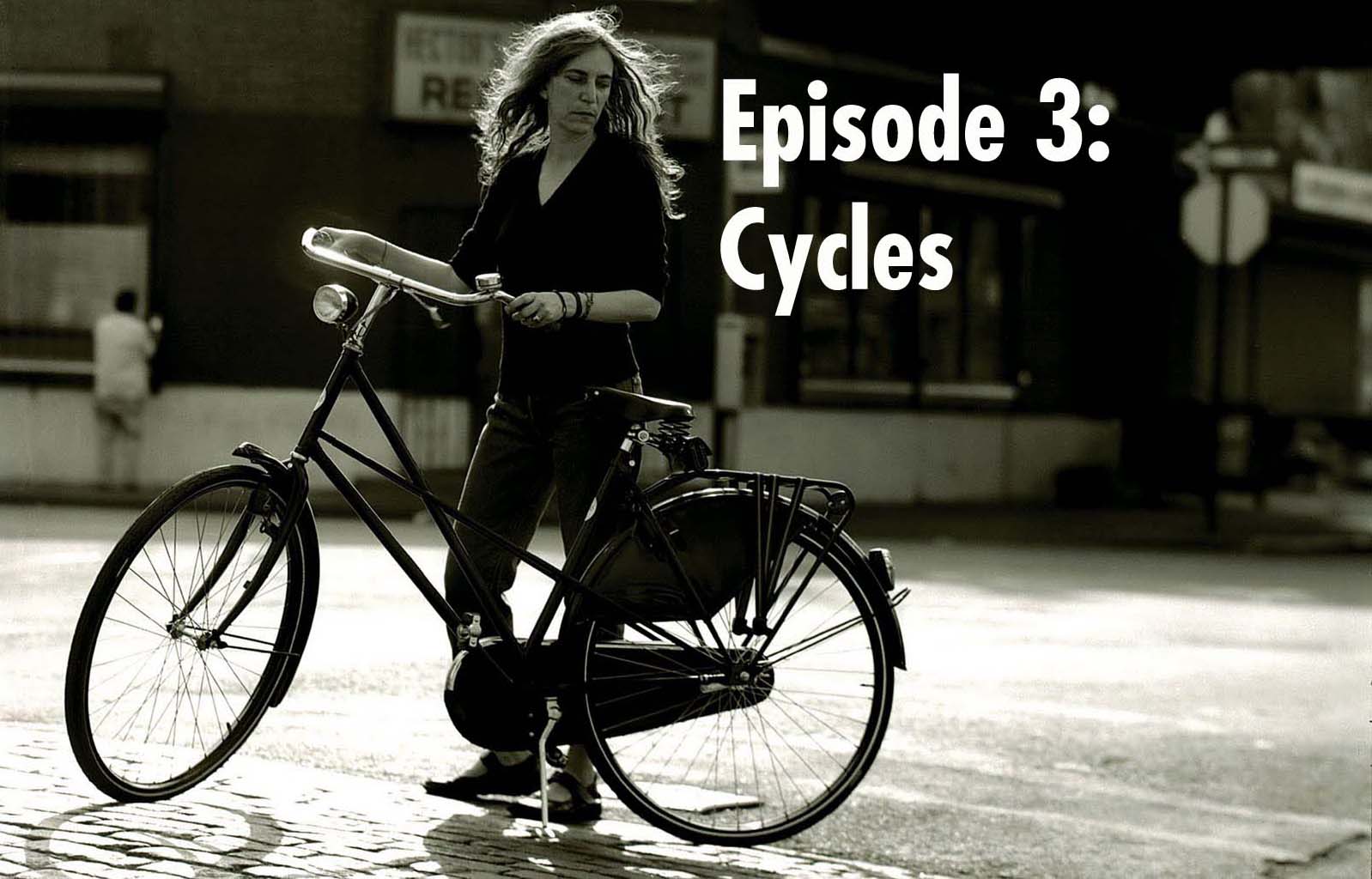
Photograph by Steven Sebring.

Loops for this program were provided by Psychotropic Circle, DextDee, and HMNN.

Follow Your Ears #3: Cycles (Download MP3)

This text will be replaced

Guns, Part Two (FYE #2)

Last week, we examined the Second Amendment’s history and the seductive allure of guns. This second of our two part program includes our efforts to contact the National Rifle Association, reveals how gun-related crimes have affected human lives, and shows how a flood of affordable large magazine semiautomatic pistols altered the course of American history.

Play

2a

Thank You for Calling the NRA

The NRA, along with other pro-gun organizations such as Pink Pistols, refused or didn’t bother to answer our requests for interviews by telephone, email, or Facebook. In an effort to get somebody from the NRA on the record, we contacted the NRA Member Services hotline and had a very strange conversation. (Beginning to 7:12)


2b

The Night the Sky Opened Up

On October 28, 2000, three days before Halloween, Sezin Koehler was out for a night on the town in Los Angeles. But what she did not know, as her best friend Wendy Soltero rolled up in her car, was that the sky was about to open up. Koehler reveals the little discussed pain of living with the consequences of a gun-related murder and talks about how she’s still coping more than twelve years later. (7:12 to 27:25)


2c

The History of the Glock

To understand how handguns with large magazines have become a greater part of American culture, we spoke with After Paul Barrett, assistant managing editor at Businessweek and author of Glock: The Rise of America’s Gun. Barrett discusses Gaston Glock’s parallels with Samuel Colt, reveals how Glock’s savvy marketing strategies were used to cajole city police departments, how gun manufacturers exploited the grandfather clause of the 1994 assault weapons ban, whether Glock feels any remorse, the 2005 ban on civil lawsuits against gun manufacturers and suppliers, and the NRA’s failure to compromise on any issue. (27:25 to end)


Loops for this program were provided by Exoflex and JoeFunktastic.

Follow Your Ears #2: Guns, Part Two (Download MP3)

This text will be replaced

Guns, Part One (FYE #1)

ep1a

Play

Aurora, Sandy Hook, Virginia Tech. We’re shocked by the massacres and the loss of life, but how did we get to this? This is the first of a two part program examining guns at length.


1a

Edge of the South Bronx

On the edge of the South Bronx, everybody we talk with has an opinion about guns. One man, held up at his store twenty years ago, developed a lifelong fear. (Beginning to 2:49)


1b

Falling in Love with Guns

Before she was the acclaimed author of Sons and Other Flammable Objects, Porochista Khakpour fell in love with guns. In an essay for Slate published in December, Khakpour wrote that she thrived on the attention, even posting a series of sexy shooting range photos on MySpace. Khakpour talks about why she could relate to Nancy Lanza and why guns proved both seductive and problematic. (2:49 to 7:51)


1c

“1776 Will Commence Again”

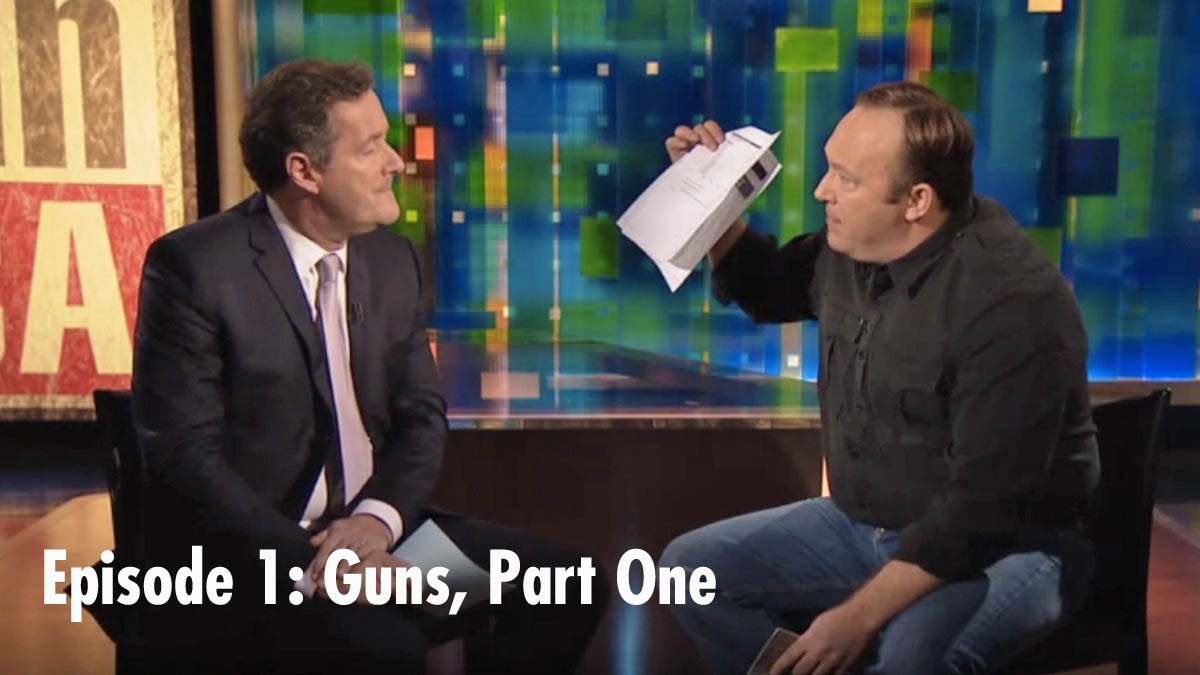
After Alex Jones’s meltdown on CNN, we talked with Saul Cornell, a a professor of American legal history at Fordham University and the author of A Well-Regulated Militia to untangle the Second Amendment’s true roots. Cornell points out that the Second Amendment has a good deal more to it than the right to keep and bear arms and the “Red Dawn fantasy” and discusses how militias and civic obligation were more what the Founding Fathers had in mind. (7:51 to 23:26)


1d

Interpreting the Second Amendment

Adam Winkler is a professor of constitutional law at the UCLA School of Law and the author of Gunfight. He provides more answers on the Second Amendment, describing how the NRA was originally for gun control before a fateful meeting in Cincinnati when gun rights radicals took over an annual meeting and pointing out how recent Supreme Court decisions such as District of Columbia v. Heller and McDonald v. Chicago have helped to curtail regulation efforts. (23:26 to 44:46)


1e

Living with Guns

Our final guest is Craig Whitney, a former foreign correspondent for The New York Times and author of the book, Living With Guns. He is a liberal who believes that the Second Amendment should be honored. (44:46 to end)


Follow Your Ears #1: Guns, Part One (Download MP3)

This text will be replaced

To subscribe/unsubscribe to The Bat Segundo Show newsletter and to receive email updates when we put up new shows, go here.
If you like The Bat Segundo Show, your donations to help keep the joint running are greatly appreciated.


This text will be replaced


Please direct all inquires concerning booking guests, advertising, messages to Mr. Segundo, and the like to Edward Champion. Please note that while we return all email (eventually), because of the unique and heavily researched nature of these interviews, it is impossible to interview everybody. Although we certainly do our best.

You can also send books, materials, fan mail, and other assorted materials to:

Edward Champion
The Bat Segundo Show
315 Flatbush Ave., #231
Brooklyn, NY 11217


portrait

The above portrait was taken sometime in 2006, when someone made the mistake of inviting Bat Segundo to a party. Since then, his public appearances have been very rare. But he does sometimes come out of his Motel 6 room.


Link here and plug the URL into your feed-reader of choice or subscribe through iTunes


Mr. Segundo has a MySpace page and does not quite understand it.


Mr. Segundo also has a Facebook page and understands this only slightly better.

You can also join the Bat Segundo Facebook group!

Yahoo! Picks

"a dazzling array of interviews"
-- Yahoo! Picks

"It was great to hear one of my favorite writers talk honestly about his work."
-- Metafilter

"This cat does EXTENSIVE research! I mean, he puts in the kind of research that like James Lipton would have his crew do on Inside the Actor's Studio."
-- Cool as Hell Theatre

"a great reader and a tough guy"
-- T.C. Boyle

"the world's best literary podcast" -- Largehearted Boy

"I was interviewed by a very bright and engaging fellow."
-- Jonathan Ames

"Wow, do I tell him things I wouldn't expect to say in an interview. He's that good. It's the closest I've come to being on Inside the Actors Studio."
-- Pamela Ribon

"You're very observant. You read it very closely."
-- Ursula Hegi

"Very seldom do I get to say all these things, because I'm not asked about them. And I appreciate your asking."
-- James Lipton

"He’s a funny smart guy and asked a lot of good questions."
-- Alison Bechdel

"Your questions are much too profound for me."
-- Katha Pollitt

"a patriot" -- Naomi Wolf

"one of the great literary interviewers of our time — listen for how often his subjects are struck by his discovery of an unknown-to-them pattern of imagery or tic of diction."
-- Professor Fury

"I'm absolutely laughing my ass off."
-- Gina Frangello

"manages to blend silly and insightful quite artfully"
-- Linda Richards

"NPR, eat your heart out"
-- Eliza Tucker

"always entertaining"
-- Mark Sarvas

"That should have been my first warning. When you first said, I’ll give you a softball question, like, there’s going to be a hardball? But what?"
-- Danica McKellar

"I know who you are! I know exactly what you do!"
-- a publicist who shall remain unnamed

"deft, funny and wildly unique"
-- George Kelly

"I giggled listening to the Bat Segundo podcast."
-- The Mongrel

"the literary world's best podcast"
-- Pinky's Paperhaus

"While I had listened to several of the Bat's 'casts over the last year, it is only when you consume one (sometimes two) a day over the course of a week, that you really begin to get the wow factor of all the Bat has time to do. I mean, the intros alone are sort of other-worldly."
-- Callie Miller

"Bat Segundo even kissed me!"
-- Matt Cheney

"Bat Segundo survives the soup!" -- Miss Snark

"I'm a Bat Segundo fan from the early days."
-- Bud Parr

"Better than radio, it's Internet radio."
-- Ron Hogan

"Bat Segundo is clearly a nutcase. I would advise anyone against paying him any credence."
-- Edward Champion

"a boiling cauldron of podcasts" -- Scott McKenzie

"what could quite possibly be the coolest radio show in the history of ever"
-- Shiva Spacetech

"I cannot believe she would question the importance of the Bat Segundo show!" -- Jean

"affably incessant" -- Brian Crane

"doesn't resort to wine-review vocabulary"
-- Guide to Midwestern Culture

"among the snarkiest characters in the literary blogosphere"
-- The Written Nerd

"really a Matt Segundo who is vamping it up with a vampire accent" -- boku

"an interweb sideshow of great distinction and absolutely spiffing podcasts"
-- The Bedside Crow

"essential listening"
-- The Bibliophile

"I have been listening nonstop to Bat Segundo"
-- Try Harder

"a terrific literary podcast that boasts some absolutely stellar author interviews"
-- Corey Redekop

"Stay away from The Bat Segundo Show!"
-- Dave White

Archives

Meta