Esther Rots and Dan Geesin appeared on The Bat Segundo Show #278.
Esther Rots is the writer, director, editor, and producer of is most recently the director of Can Go Through Skin. Dan Geesin is the sound designer and music composer of the film. The film is presently playing at the New Directors/New Films series, which is running between March 25 and April 5 at MOMA and the Film Society of Lincoln Center.

Condition of Mr. Segundo: Eschewing intuitive sensibilities.
Guests: Esther Rots and Dan Geesin
Subjects Discussed: [List forthcoming]
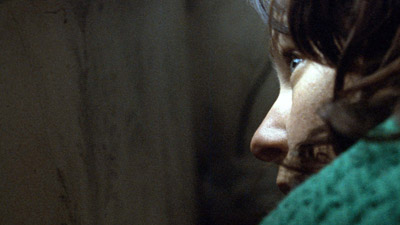
Correspondent: This leads me to wonder then how the house was located. Did you, in fact, try to find a house that had the stinkiest possible odor? Or something that was possibly in disuse? And the rat. How did you wrangle the rat in the course of the shower scene? It could not have been easy to do. Since it is vermin, you know.
Rots: It’s a shame this is radio. I’m poking out my thumb now and it’s got white lines all over it. That was directing the rat.
Correspondent: Really?
Rots: He nibbled the middle bit of my thumb. It was hanging there for quite some time and biting away.
Correspondent: Wow.
Rots: That was me directing a rat. I’m not good. (laughs)
Correspondent: Did you have to see a doctor? Get shots?
Rots: Yeah, yeah, yeah. It was too chewed up.
Geesin: Tetanus jab.
Rots: No, rats are not directable. They just do their own way. But that might be a natural talent as well.
Correspondent: They say that kids and animals are the toughest to direct.
Rots: Yeah.
Correspondent: But you would say that a rat is even tougher.
Rots: Yeah. And boats. Boats are also a cliche.
BSS #278: Esther Rots & Dan Geesin (Download MP3)


The Call by Yannick Murphy: The always interesting author of Here They Come and Signed, Mata Hari returns with a novel that whips up a worldview from a rather quirky set of limitations: namely, the call logs that a veterinarian maintains as his son is unexpectedly put into a coma and an unforgiving economy denies him work. What emerges is a surprisingly optimistic, often funny, and very moving account on how one family uses acceptance and forgiveness as a way to atone for hard knocks. (
Birds of Paradise by Diana Abu-Jaber: Forget Franzen and Eugenides. If you're looking for a social novel that counts, Diana Abu-Jaber is the author you're looking for. Building from the free-form exploration of consciousness and identity in Crescent and the gripping procedural structure of Origin, Abu-Jaber's latest novel is her finest, equally fluent with gutterpunk culture and smarmy real estate men. It has been suggested by The Washington Post's Ron Charles that you will likely gain some pounds while reading this novel. This is certainly true. Abu-Jaber's description of food is so precise that it often made me want to do more cooking. But I very much admired the way in which Abu-Jaber presents all her characters as unwitting victims of rough capitalism, which permits them some dignity even as they perform terrible acts.
The Last of the Live Nude Girls by Sheila McClear: This memoir isn't so much about the decline of the Times Square peepshow, as it is about one young woman's efforts to pull herself up by by her bootstraps when presented with few economic options. Filled with self-introspective candor and a quiet dignity, McClear's story is one that might befall any of us in these volatile times. While McClear does get back on her feet, her book leads one contemplating the terrible fates of other young women now moving to New York and falling into deadlier vocations. (