Dwight Macdonald: A Case Study for Great Responsibility

“Macdonald had given the hint that the clue to discovery was not in the substance of one’s idea, but in what was learned from the style of one’s attack.” – Norman Mailer, The Armies of the Night

Forty-four years ago, on a temperate October afternoon charged by a mass temper, more than 100,000 people occupied the Lincoln Memorial to protest the Vietnam War. Among them were Norman Mailer, Robert Lowell, and Dwight Macdonald. A good third of this group, led in part by the literary trio, would soon march upon the Pentagon with the intention of levitating it. Mailer would write one of his best-known volumes from these events, earning both a National Book Award and a Pulitzer Prize. But Mailer could not have done so without Macdonald, whose fiery approach had helped him “to get his guns loose.”

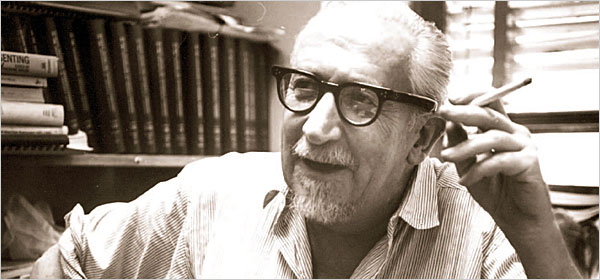
For the critic Macdonald, such heady protests were old hat. During World War II, he had raised hell through the antiwar Workers Party against the collective failure to condemn Soviet foreign policy. He was also involved in the March on Washington Movement, an effort to end racial discrimination in the armed forces. As the cultural critic James Wolcott has suggested, Macdonald “wrote and spoke as if fear and conformity were foreign to his nature and affronts to the spirit of liberty.” Yet he was inclusive of any emerging figure who posssessed these virtues. Of an antagonistic young man who challenged the arrogant Harvard dean McGeorge Bundy in the Atlantic‘s pages, Macdonald was to confess that he “could not help liking [William] Buckley.”

After a shaky political start as a waspy young journalist on the make, Macdonald revolted against his employer Henry Luce and began editing Partisan Review, where he raised his pugilistic fists through words. When not attacking Stalinism from the left (later in life, he would identify himself as a “conservative anarchist”) or questioning the responsibility of intellectuals, Macdonald spent time successfully persuading the likes of Edmund Wilson and George Orwell to contribute to his pages. But Macdonald’s contentious personality eventually led him to form his independent journal, Politics, which flourished from 1944 through 1949, until Macdonald’s energies and resources diminished.

Never especially good at mushrooming his ideas and views into books, Macdonald became a pen for hire, directing his attentions to perceived cultural threats: homogenization, dry academic writing, and sundry commercial forces. Many of Macdonald’s best cultural essays have been collected in a recently published volume, Masscult and Midcult: Essays Against the American Grain. These pieces permit us to see the varying fluency with which Macdonald applied the political attack dog approach so valued by Mailer.
* * *

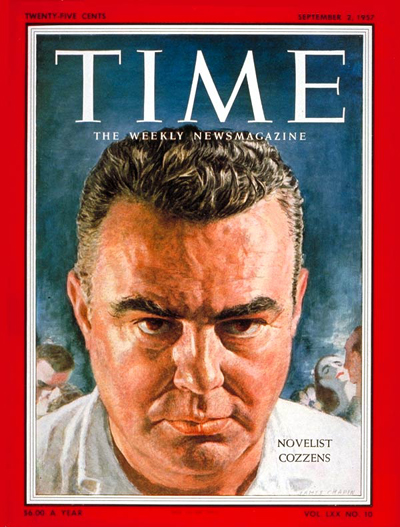
Macdonald functioned best when he had a fixed target in his crosshairs. “By Cozzens Possessed,” a career-killing takedown of the novelist James Gould Cozzens, is a merciless exercise, attacking the then revered 1957 novel, By Love Possessed, for its prose style, its use of arcane words, the feverish and often thoughtless critical acclaim, and its inaccurate portrayal of human behavior. It is so brutal and stinging an assessment that it might almost serve as a handbook for any young critic hoping to make a big splash. But Macdonald stood for a clear set of values. He wished to protest “the general lowering of standards” and “the sober, conscious plodders…whose true worth is temporarily obscured by their modish avant-garde competitors.”

Such sectarian language sounds not unlike Macdonald’s political missives from decades before. Sure enough, it was this nexus of self-deception and ascension in status which served as the common whetstone for Macdonald to sharpen his sword. Before Macdonald begins his attack, he establishes Cozzens’s financial and critical success in the first paragraph, showing that Cozzens in a position to take it. (This is very much in the tradition of American hatchet jobs. Mark Twain’s essay, “Fenimore Cooper’s Literary Offenses,” also opens with three epigraphs attesting to the alleged worth of Cooper’s writing.)

Macdonald’s essays also inadvertently raise the question of whether a critic really deserves this much power. In his invaluable John Cheever biography, Blake Bailey made a convincing case that Macdonald’s drive-by impacted the 1958 National Book Award, pushing Cheever’s The Wapshot Chronicle into the winning slot. (Cheever thought highly of By Love Possessed, calling it “excellent” in his journals. Years later, after learning that Cozzens had revered his work, the guilt-ridden Cheever became so upset that he came close to sending Cozzens a family heirloom.) Did James Gould Cozzens sully culture as much as the Great Books (which Macdonald rightfully chided as “densely printed, poorly edited reading matter”) or the Revised Standard Version of the Bible (which Macdoanld rebuked for destroying the King James’s lexical zest)? Probably not, especially if one values the positive qualities of oddity.

Macdonald sent copies of his essays to his targets, thereby permitting them to respond, if so desired. Thus, in book form, Macdonald’s essays frequently contain appendices, such as George Plimpton lodging his objections and corrections at the end of Macdonald’s attack on Hemingway. Reading such annotations in the early 21st century, which closely resemble today’s blog and comment culture, one gets the uncanny sense that, were Dwight Macdonald around today, he would likely be some wild-eyed blogger operating out of a ramshackle Brooklyn apartment.

In an age when many online enthusiasts think nothing of embedding Amazon links into their blogs or sign away their Goodreads reviews without consideration of the “royalty-free, sublicensable, transferable, perpetual, irrevocable, non-exclusive, worldwide license to use, reproduce, modify, publish, list information regarding, edit, translate, distribute, publicly perform, publicly display, and make derivative works of all such User Content and your name, voice, and/or likeness as contained in your User Content,” there are ineluctable connections between culture and commerce. And Macdonald’s lengthy essay condemning Masscult (“a parody of High Culture”) protests a cultural world in which “everything becomes a commodity, to be mined for $$$$, used for something it is not, from Davy Crockett to Picasso. Once a writer becomes a Name, that is, once he writes a book that for good or bad reasons catches on, the Masscult (or Midcult) mechanism begins to ‘build him up,’ to package him into something that can be sold in identical units in quantity. He can coast along the rest of his life on momentum; publishers will pay him big advances just to get his Name on their list; his charisma becomes such that people will pay him $250 and up to address them (really just to see him); editors will reward him handsomely for articles on subjects he knows nothing about.”
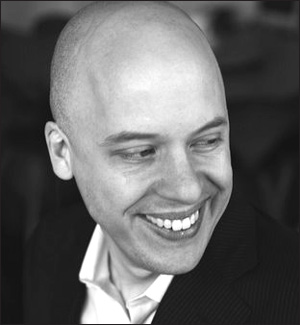
Macdonald’s argument may need to be revised to account for recent technological developments, but his general beef with cultural philistines still holds considerable water. This year, we have seen bestselling novelist Lev Grossman, whose books are now being developed into a FOX television series, write a review of George R.R. Martin’s Dance with Dragons, describing it as “the great fantasy epic of our era” without disclosing the fact that Grossman secured a glowing blurb from Martin for The Magicians. Another critic, Laura Miller, openly invites her readers to ban books: “As deplorable as real-life book banning may be, there’s some required reading that those of us at Salon would love to see retired from the nation’s syllabuses simply because we were tortured by it as kids.” Given these affronts to integrity and intellectualism, where is today’s Dwight Macdonald to contend with these two hydrophobic mutts in the woodshed?

It’s certainly easy for a myopic reader to interpret Macdonald’s essays as snark, for Macdonald had a clear enmity for rock music and television. Yet snark, as David Denby has remarked in a book on the subject, involves a contempt for absolutely everyone. While elitist in tone, Macdonald’s cultural essays also commended the proliferation of symphony orchestras and art house movie theaters. He did honor the artistically and intellectually ambitious, although often with brutal paradox. He recognizes Hemingway as a stylistic innovator, yet writes, “I don’t know which is the more surprising, after twenty years, the virtuosity of the style or its lack of emotional resonance today.”

At times, Macdonald’s cultural essays read as if they were more concerned with swimming in a stream of brimstone. His 1972 smackdown of Norman Cousins, editor of a now largely forgotten biweekly magazine, feels more desperate and superficial than Alan Grayson’s recent obliteration of PJ O’Rourke on a recent installment of Real Time with Bill Maher. When he lost his focus, it was easy for Macdonald to reveal hypocrisy. In his 1967 essay “Parajounalism,” Macdonald condemns Tom Wolfe for his cruel assaults on The New Yorker‘s Wallace Shawn, yet lacks the courage to acknowledge his own malicious barbs toward others in the past. And when Macdonald writes about Wolfe’s attack being “more in the kamikaze style – after all he was thirty-three when he wrote it while I was thirty-one when I wrote mine,” one wonders if Macdonald was jealous of Wolfe’s increased attention and his ability to get through to younger readers.

Despite his pugnacity, Macdonald could be kind. In his essay on James Agee not long after Agee’s death, Macdonald writes, “I had always thought of Agee as the most broadly gifted writer of my generation, the one who, if anyone, might someday do major work.” In January 1963, The New Yorker published Macdonald’s essay on Michael Harrington’s The Poverty of America. Macdonald put a considerable amount of work into the piece, which featured an impassioned demand to the upper and middle classes to reverse “mass poverty in a prosperous country.” Macdonald’s essay attracted great attention and helped reverse the book’s flagging sales.
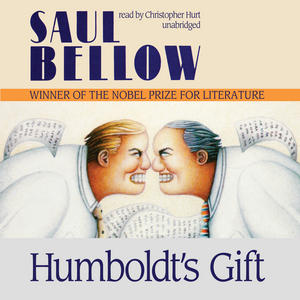
Yet it’s possible that, for all of his righteous exactitude, Macdonald wasn’t kind or motivated enough. His clumsy and alcohol-fueled elitism (according to Michael Wreszin’s page-turner of a biography, A Rebel in Defense of Tradition, Macdonald needed a ration of twelve drinks a day) inspired Saul Bellow to savage him in Humboldt’s Gift. In Bellow’s novel, Macdonald appeared as the “lightweight” intellectual Orlando Higgins, where “his penis which lay before him on the water-smoothed wood, expressed all the fluctuations of his interest.”

To offer a Masscult metaphor that Macdonald would loathe: with great power comes great responsibility. If a critic’s responsibility involves standing against the contemptible forces transforming independent voices into soothing consumer-oriented bores who are no different from the hucksters who sell fabric softener, then nearly every working critic in America can learn a lesson from Macdonald. On the other hand, Macdonald’s lack of versatility demonstrates how a prominent tiger can be swiftly forgotten if he doesn’t change his stripes.

Postscript: The above essay was originally scheduled to run in a literary journal. What I did not anticipate was that much of the subtext concerning “style of one’s attack” would be misinterpreted by the estimable editor as a series of attacks. After some lively back-and-forth and many concessions on my part, I was forced to withdraw the piece on amicable terms and publish it on these pages. I still carry great respect for this literary journal and, as far as I’m concerned, the editor is still a sweetheart. But I relate this metafactual episode to demonstrate the distinct possibility that even a quasi-Macdonald approach, one also revealing a distinct arthritic quality in the lunge, may no longer be welcome nor encouraged in our present culture.
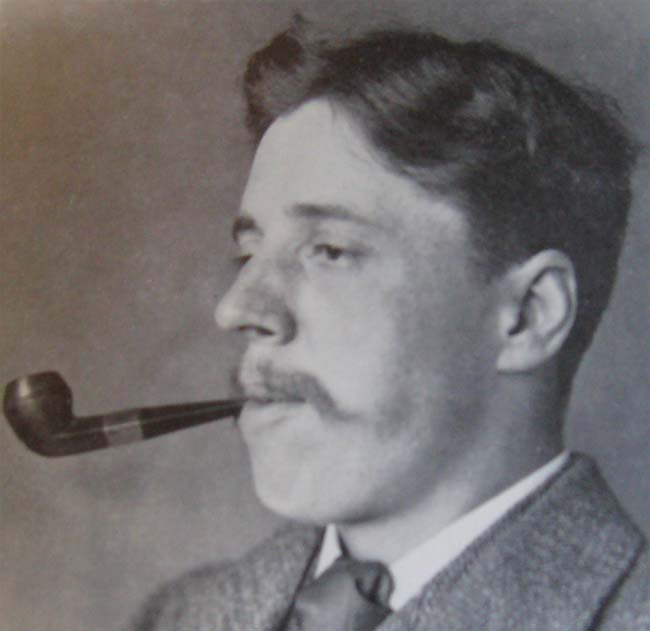

The Old Wives’ Tale (Modern Library #87)

(This is the fourteenth entry in the The Modern Library Reading Challenge, an ambitious project to read the entire Modern Library from #100 to #1. Previous entry: The Call of the Wild)

I am fairly certain that I found The Old Wives’ Tale compelling for reasons that Arnold Bennett did not intend. After my great excitement with Jack London, Bennett was something of a letdown, reading more like fossilized culch than a lively adventure from the 20th century, although I experienced a great deal of pleasure as characters began to die and as they became needlessly blamed for other deaths. Consider the manner in which Sophia, assigned to watch over her bedridden father, sneaks away for a few minutes to chat with the strapping Gerald Scales. When she returns, something terribly odd occurs:
After having been unceasingly watched for fourteen years, he had, with an invalid’s natural perverseness, taken advantage of Sophia’s brief dereliction to expire. Say what you will, amid Sophia’s horror, and her terrible grief and shame, she had visitings of the idea: he did it on purpose!

As I continued to push through this 600 page novel, surprised by such lively spurts written in a mode I initially appraised as kitschy, there was a part of me that longed for the invention of time travel. I might roll a joint and get it into Bennett’s hands before he banged out another overly serious manuscript. His eccentricities, however, were also part of the charm. I must confess that I couldn’t quite shake Bennett.

* * *

Bennett was hot shit at one point in time. I suspect his inclusion on the Modern Library list involves some guilt over his swift fall from grace. In 1923, Virginia Woolf got nasty with an essay entitled “Mr. Bennett and Mrs. Brown”: “he is trying to hypnotize us into the belief that, because he has made a house, there must be a person living there.” And many seemed to believe her. The literary critic FR Leavis dismissed Bennett in a sentence. The situation became so desperate that Margaret Drabble felt compelled to publish an appreciative 400 page Bennett biography in 1974.

I asked several literary friends if they had read Bennett. But only one had. And this friend made strong suggestions that Anna of the Five Towns was one of the more dispiriting reads in her formative years. I was roundly rebuked for daring to mention Bennett, the name as ancient and as displeasing to her ears as Linda Ronstadt, and was banned from discussing literary matters with my friend for a week. It’s very possible that I’m one of the few Americans under the age of 40 who has actually finished one of Bennett’s novels. (Apparently, I am not the first to raise this observation. Shortly after drafting this essay, I discovered that Wendy Lesser, writing in The New York Times in 1997, had also pointed out Bennett’s stunning precipitation. Fourteen years later, the Bennett situation is considerably worse.)

In recent years, Bennett has found a few (still living) defenders in Drabble, Francine Prose, and Philip Hensher. And while two of these boosters can be rightly praised as skilled novelists, by all reports, this collective humor-impaired trio cannot be said to be especially vivacious at social gatherings. That’s part of the problem. To get Bennett, you have to take him somewhat seriously. And that means abdicating a healthy skepticism deeply valued by any freethinker who grew up in a post-Nixon or a post-Thatcher world. These days, Arnold Bennett is best known for an omelette recipe established at the Savoy. It’s worth observing that Bennett did not come up with the recipe. He was too busy writing a novel. There are certainly worse fates for an author. But despite my gripes, I still believe Bennett deserves more than a mere legacy of haddock and peppercorns.

* * *

The Old Wives’ Tale is a strange novel, imperious and engaging at times, but I cannot call it a classic — despite its admirable narrative ambition in tracking two sisters, Sophia and Constance Baines, and their families from youth to old age. It is plagued by inhebetating verbosity (“The horror of what had occurred did not instantly take full possession of them, because the power of credence, of imaginatively realizing a supreme event, whether of great grief or of great happiness, is ridiculously finite”). It feels the need to bully the reader into excitement with obnoxious exclamation marks (“This was what he had brought her to, then! The horrors of the night, of the dawn, and of the morning! Ineffable suffering and humiliation, anguish and torture that could never be forgotten!”). It is often condescending towards its characters, using bizarre interrogatory to suggest feeling (“But why, when nearly three months had elapsed after her father’s death, had she spent more and more time in the shop, secretly aflame with expectancy?”).

There is something needlessly systematic and almost Asperger’s-like in Bennett’s fixations. Here is Bennett describing the inner life of Constance’s son:

He had apparently finished his home-lessons. The books were pushed aside, and he was sketching in lead-pencil on a drawing block. To the right of the fireplace, over the sofa, there hung an engraving after Landseer, showing a lonely stag paddling into a lake The stag at eve had drunk or was about to drink his fill, and Cyril was copying him. He had already indicated a flight of birds in the middle distance; vague birds on the wing being easier than detailed stags, he had begun with the birds.

Bennett is more interested in positioning objects rather than being explicit about what his characters feel. His fixation on external imagery prevents him from contending with emotions. And this inferential approach does have its drawbacks. Even in describing the engraving, Bennett isn’t quite sure: “had drunk or was about to drink his fill.” Shortly after this moment, Cyril feels his mother’s hand on his shoulder and, before he replies, Bennett writes: “Before speaking, Cyril gazed up at the picture with a frowning, busy expression, and then replied in an absent-minded voice.” Frowning, busy expression? My mind drew uncomfortable parallels with the autistic passages contained in Tao Lin’s Richard Yates. One could make the argument that Bennett’s superficial imagery reflects both Cyril’s transformation into a young artist or the overall shift from bucolic business to a more modern age. Yet this aesthetic approach is hardly confined to Cyril. Of one of Sophia’s clients in France: “There was a self-conscious look in his eye.” Near novel’s end, Bennett even makes a big show of how characters look at others: “Peel-Swynnerton had just time to notice that she was handsome and pale, and that her hair was black, and that she was gone again, followed by a clipped poodle that accompanied her.” Considering these odd emphases and the sweeping melodramatic statements contained elsewhere in the book, it became necessary to investigate the man further.

* * *

Arnold Bennett began writing The Old Wives’ Tale on October 8, 1907. We know this because he wasted no time marking the notches in his journal:

Yesterday I began The Old Wives’ Tale. I wrote 350 words yesterday afternoon and 900 this morning. I felt less self-conscious than I usually do in beginning a novel. In order to find a clear 3 hours for it every morning I have had to make a time-table, getting out of bed earlier and lunching later.

The next day (October 10, 1907), Bennett offers this exacting news, worthy of Trollope or a chartered accountant: “I walked 4 miles between 8:30 and 9:30, and then wrote 1,000 words of the novel.”

Bennett would finish his novel less than a year later, noting on August 30, 1908: “Finished The Old Wives’ Tale at 11:30 A.M. today. 200,000 words. Now I can begin to keep this journal again.”

Bennett was indeed a man of his word. The volume I am presently consulting from, which contains all of Bennett’s journal entries, is more than 1,000 pages. While assembling this essay over several days, I have been on the lookout for a cockroach, hoping to test the density of Bennett’s private thoughts against a very 21st century dilemma. Unfortunately, the apartment is clean, the exterminator who last doused the place (along with my own independent boric appliqué) was too efficient, and I have not seen any insect life in the order of Blattaria for many weeks. Now I can begin to write this essay again.

As Bennett was working on The Old Wives’ Tale, he worked with an industry that might put Joyce Carol Oates to shame. He wrote two short novels (Helen of the High Road and Buried Alive), any number of articles and short stories, a scenario, a play, and a few popular works of reductionist philosophy (throughout his life, Bennett was a one man self-help book factory, writing such prescriptive pabulum as How to Live on 24 Hours a Day and Self and Self-Management; he even had the temerity to argue that men were superior to women). As he was to explain in an April 9, 1908 journal entry:

Habit of work is growing on me. I could get into the way of giving to my desk as a man goes to whiskey, or rather to chloral. Now that I have finished all my odd jobs and have nothing to do but 10,000 words of novel a week and two articles a week, I feel quite lost, and at once begin to think without effort, of ideas fora new novel. My instinct is to multiply books and articles and plays. I constantly gloat over the number of words I have written in a given period.

One curious quality about this period is Bennett’s reticence to name-check his fetching French wife Marguerite. I should hasten to add that Bennett’s “habit of work” came only a few months after his marriage. Bennett does register that he walked with his wife in the pouring rain on October 16, 1907, but he is more devoted to discussing how he enjoys “splashing waterproof boots into deep puddles” than Marguerite’s feelings on the matter. When Marguerite does show up in Bennett’s journal, it is mostly through “we” rather than “Oui!” And even then, Bennett is more driven by his inner “I” than any subtle references to Marguerite’s enticing third eye. By January 4, 1908, he is preoccupied by what he misinterprets as “unconscious and honest sexuality” from a Scottish woman in a London hotel.

I mention Bennett’s myopic matrimony not because I want to gossip about an English novelist who has been dead for a good eighty years (well, that’s not entirely true; on the other hand, since Bennett was writing a column of book gossip for New Age under a pseudonym during the same period, perhaps I am unintentionally avenging his targets, even though they are now all dead and have long stopped caring), but because his treatment of Marguerite is remarkably similar to the transactional manner that salesman Samuel Povey treats Constance Baines after they are married in The Old Wives’ Tale:

The basis of this contentment was the fact that she and Samuel comprehended and esteemed each other, and made allowances for each other. Their characters had been tested and had stood the test. Affection, love, was not to them a salient phenomenon in their relations. Habit had inevitably dulled its glitter.

* * *

What does a reader do with Arnold Bennett in 2011? Bennett undoubtedly had the stuff to stir the reader, but it’s difficult to let some of his more impetuous ideas about human behavior slide. This was a weakness cited by his most ardent defenders. Even Rebecca West was to confess that Bennett struck her “as being one of the most observant and unobservant persons I have ever known. He would remember the order of the shops in an unimportant street in a foreign city for years, but he was curiously blind about human beings. He would know a man and a woman for years and see them constantly without realizing that they were engaged in a tragical love affair; he could meet a man shaken by a recent bereavement and notice nothing unusual about him til he was told.”

Yet despite Bennett’s obvious blind spots, I feel a charitable impulse for the man. Few of today’s novelists are willing to write in such a reckless yet revealing manner. Were he working today, Bennett’s work would be rent in an MFA minute. But without this rampant rashness, Bennett would not have kept up his voice.

Next Up: E.L. Doctorow’s Ragtime!

Occupy Wall Street: After the Brooklyn Bridge

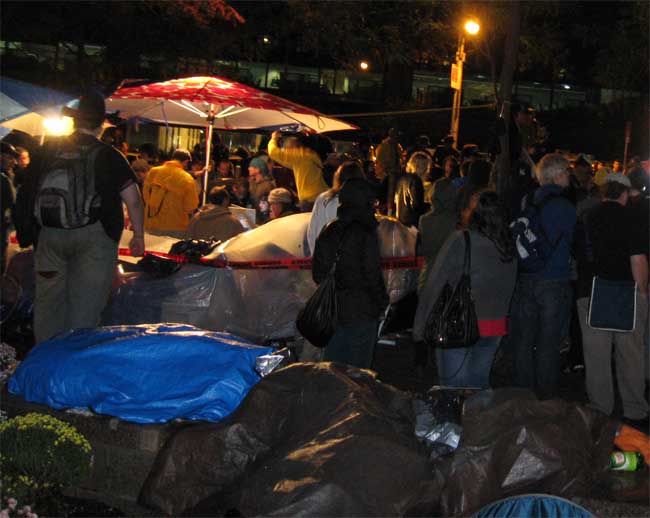
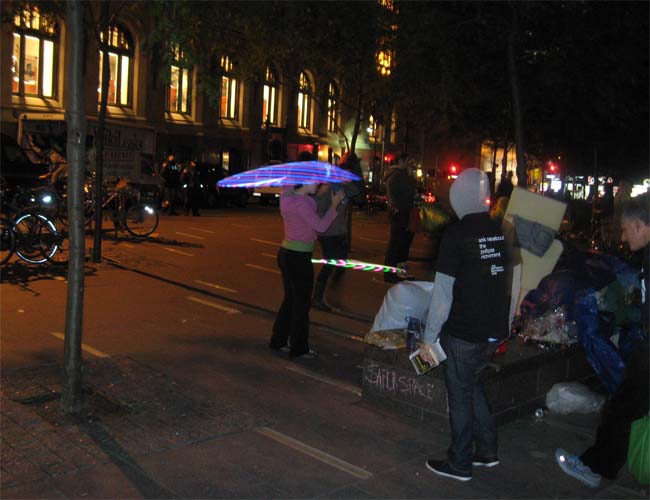
On Saturday night, I returned to Zuccotti Park. It was 55 degrees. Winds lashed at tarp and tents, flapping up flaps and whipping at sleeping bags. But the protesters remained calm and good-natured. Some spun hula hoops around their bodies as the calls and responses carried on.

“The rain is really the only obstacle,” said a protester who had been at Occupy Wall Street from the beginning. “Tonight’s the only night that it’s been actually cold.”

He informed me that there were plenty of Mylar blankets and sleeping bags at the comfort station — the results of ample donations.

A man who had once worked on Wall Street and who lived five blocks away was leading the crowd:

“I think you people aren’t crazy.”

“I THINK YOU PEOPLE AREN’T CRAZY.”

“I love the way you communicate.”

“I LOVE THE WAY YOU COMMUNICATE.”

“The world has noticed your voice.”

“THE WORLD HAS NOTICED YOUR VOICE.”

This text will be replaced

A rumor had circulated that Marines were coming all the way from Florida on behalf of the protesters, to protect them from the NYPD. “I didn’t fight for Wall Street,” posted serviceman Ward Reilly on his Facebook wall. “I fought for America.” Reilly had pledged that a Marine formation would be held that night. But the Marines hadn’t yet turned up in Zucotti Park. They must have been tied up in traffic.

I talked with a young man, who identified himself to me as “Big Ben” and who was busy blowing bubbles.

“I just picked this thing up a second ago,” said Ben. “I saw it on the ground. I figured that I could just dip it like I am and the wind would take care of everything else.”

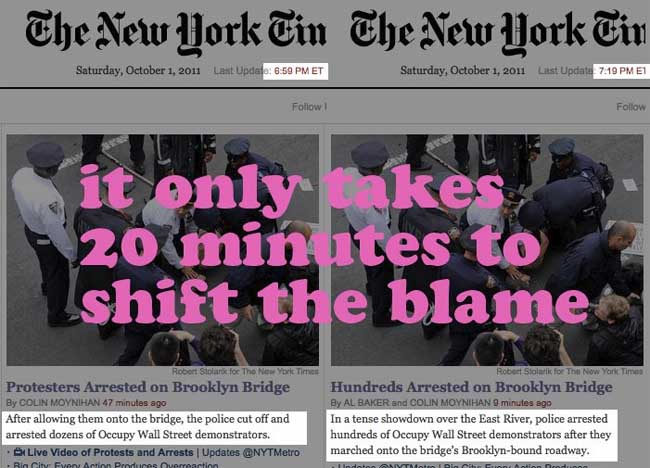
I had arrived shortly before 10:00 PM: only a few hours after 700 people had been arrested at the Brooklyn Bridge. On Saturday afternoon, protesters had decided to walk across the Brooklyn Bridge. Police blocked the bike path, leading them down the main road, where orange nets and arrests awaited. Natasha Lennard, a freelance reporter for The New York Times, was one of those arrested. An NYPD spokesman had informed me earlier in the evening that most of these protesters would be charged with disorderly conduct at minimum and that some would be singled out for additional offenses.

(Image via Brenda Norrell.)

I was uncertain who was at fault. As it turned out, The New York Times didn’t know either. Within twenty minutes, the New York Times had shifted the blame on its website (adding Al Baker to the byline) from the police to the protesters.

[10/2/11 PM UPDATE: The Voice‘s Nick Greene talked with the New York Times City Room about the changes, which include disappearing paragraphs and the videos that the Times relied on for its version of the events. As Bucky Turco has tweeted, there’s a mysterious edit in the second video.]

I talked with Jesse, a friendly and excitable young man with a $100,000 education in industrial design and no job prospects. He had arrived at Zuccotti Park that very day from Philly. He had been at the Brooklyn Bridge and spoke of “awesome photos.” His story cast some aspersions on the revised New York Times angle.

“I’ll tell you exactly what happened!” said Jesse. “They pushed people. They blocked. I think the goal was to go on the bike path. And every one of the cops were in front of the bike path. So everybody walked down on the road. ‘Hey guys! This way!’ That’s what they did. And so everybody went down that way.”

But Jesse got the sense that something was up.

“I was standing there for a couple of minutes,” continued Jesse. “But after like ten minutes of me going like, ‘Guys, if you don’t go, I’m going to go without you.’ I just fucking left. I was not getting arrested. I was too close! I was walking forward. I leave them. And I see all these hands go blazing down underneath the bridge. And they come up behind the protesters.”

Jesse hopped the fence to escape arrest.

“So as I’m going the other direction, there’s fucking four New York buses backing out and backing all the way onto the bridge with the cops. And they’re getting ready to fucking arrest everybody.”

I asked Jesse if he knew why people started walking on the road when the bike lane had been blocked. Whose idea was it?

“It wasn’t an idea,” he said. “It was ‘Well, the cops wanted us to go this way. So we’ll go this way.’ Do you know what I mean? It was like nonpassive. You have people, police there. And you have no police there. So nonpassive. You don’t go through the cops. You go around the cops. You know what I mean? We’re not trying to hurt anybody. We just want to yell and scream.”

Jesse also confirmed reports that police had singled out men for arrests more than women, telling me of a woman with a dog who was able to get around the tape at the other end by dint of possessing a pet.

You can listen to my interview with Jesse here:

This text will be replaced

Occupy Wall Street: SlutWalk NYC

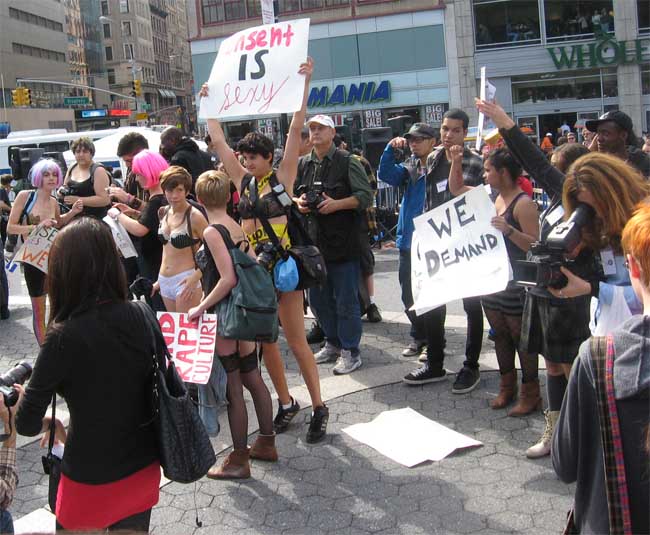
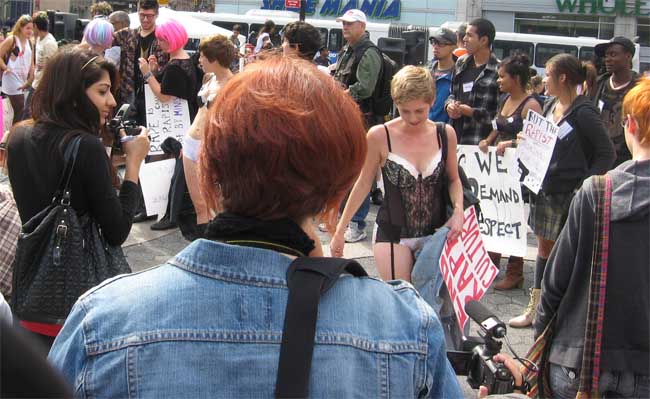
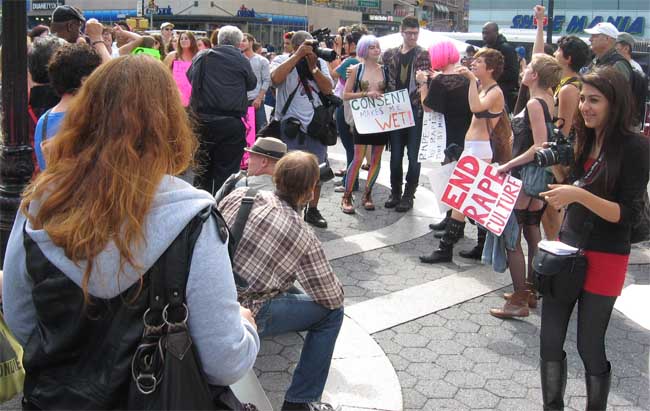
They came from as far away as San Diego and Delaware to participate in SlutWalk, holding signs that read CONSENT IS SEXY and WE DEMAND RESPECT. This was part of a wave of protests initiated in April in Toronto and continuing with additional walks in Australia, Chicago, and London. SlutWalk’s ostensible purpose is to protest associations between rape and appearance. Women (and some men) dress slutty in an attempt to take back the word.

“I think it’s going to have a definite impact on the people who we can talk to and who we can reach out to,” said Andrea, part of a group of fifty women who identified themselves as the Delaware Sluts. “Because so many people think that women are raped because of the way they dress or the way they present themselves. Or they’re too drunk. But, you know, that’s not always the case.”

This text will be replaced

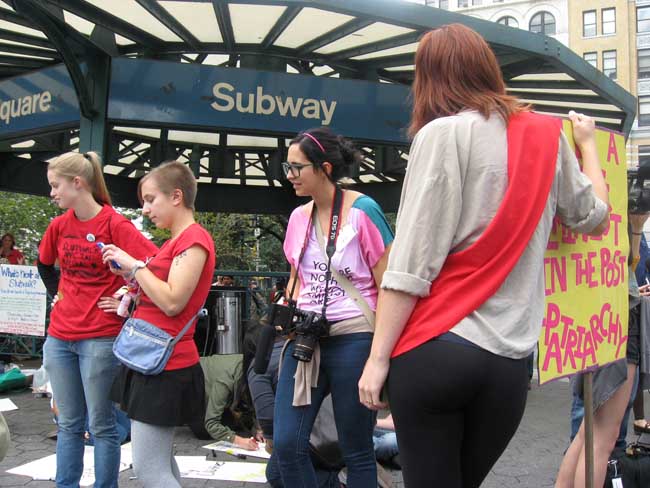
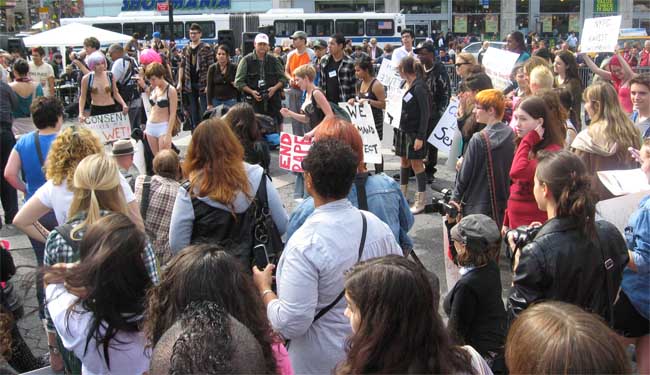
On Saturday morning, many hundreds gathered in Union Square to bring this movement to New York City. I decided to attend because I was curious about the philosophical overlap between SlutWalk and Occupy Wall Street.

I was to discover some startling differences. When I began talking with people last week at Occupy Wall Street, a guy there slipped me his business card (containing a phone number right after “Press Inquiries”) without comment. I very much appreciated the swift nonchalance and unintrusive nature of this gesture. But when I wandered around with my microphone seeking to understand the SlutWalkers, I was informed by three separate people (one identifying herself as a “media coordinator”) that there was a media scrum on at 11:45. I observed another journalist get into a five minute discussion about the interview availability of one of the main organizers. The journalist was informed that the organizer’s schedule was quite busy.

It was as if the SlutWalk organizers were top-level politicians or entertainment figures who had to approve every interview request. Quite frankly, I didn’t have time for this. And I certainly didn’t experience anything like this at Occupy Wall Street. So I just walked around and talked with people.

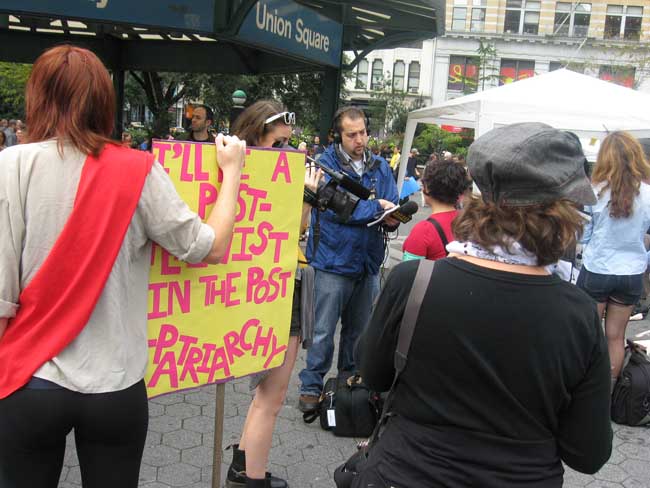
This top brass tendency to drown out the very people who wanted to listen or have a conversation reached a comical crescendo when I talked with a very thoughtful participant named Jen, who was holding an endearingly geeky sign reading </patriarchy>. She had helped to organize SlutWalk San Diego.

As we were discussing protesting issues, another SlutWalk lieutenant — standing only a few feet away from us — boomed “Attention all media! We’re going to be having a media scrum in five minutes on the steps!” into her amplification device without warning. Second later, there was another “Attention all media!” from another lieutenant. This left Jen and I desperately seeking intermittent thirty second pockets to talk, hoping that the lieutenants weren’t going to bark over our conversation, which involved whether a political protest with a narrow message could attract the same 99 percent involved against Wall Street.

This text will be replaced

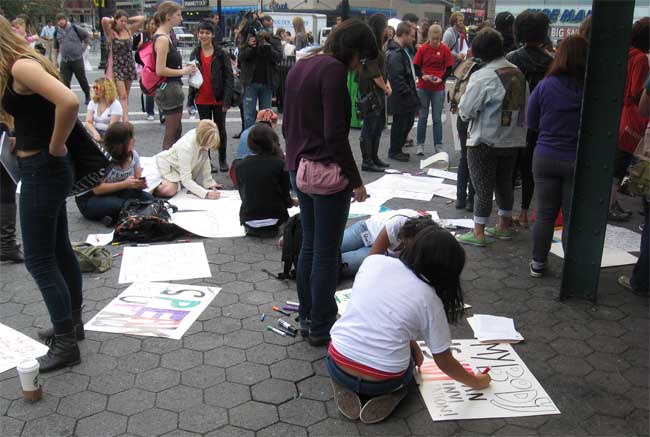
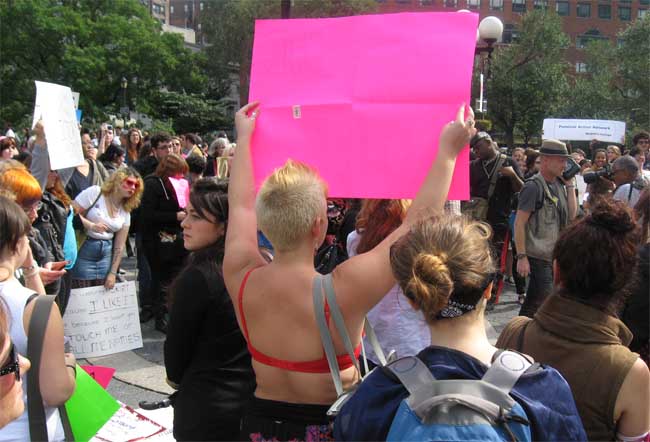
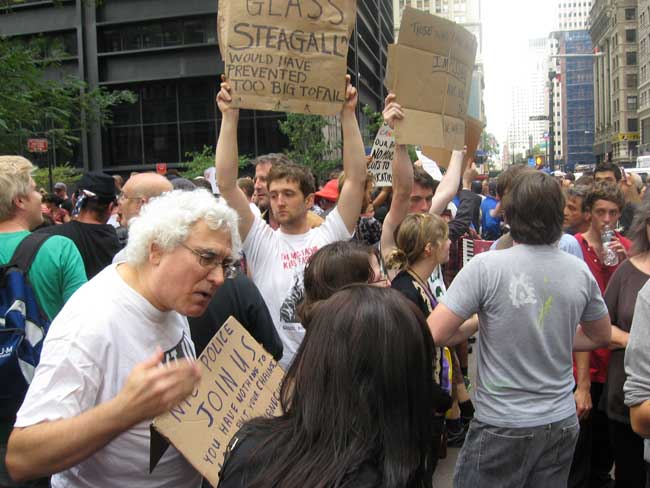
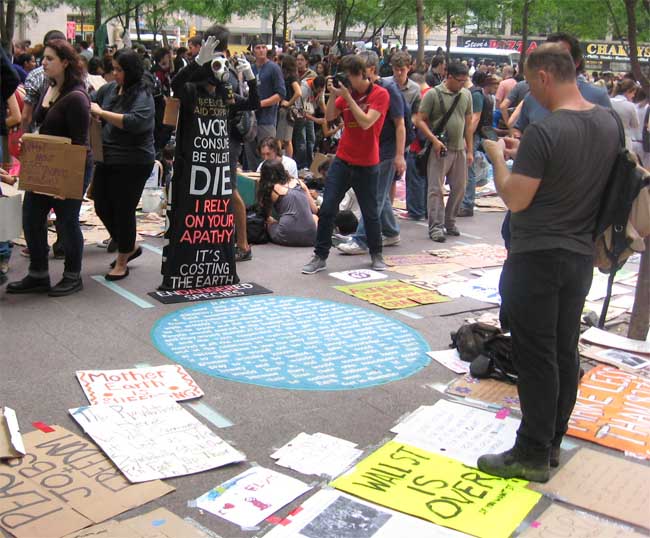
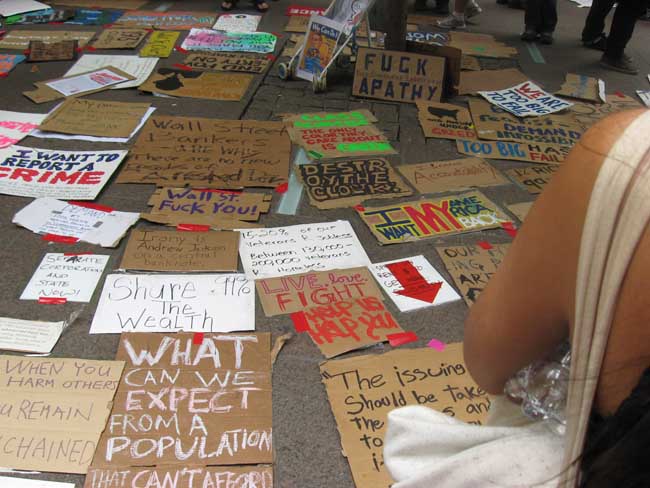
Despite the martinet-minded organizers, most of the SlutWalkers didn’t prepare their signs in advance. The majority affixed marker to board shortly before their participation. It was almost as if they wanted to write out the first thing that came to their minds. I couldn’t help but compare this against some of the cardboard placards that had been placed in Zuccotti Park with more permanent messages in mind.

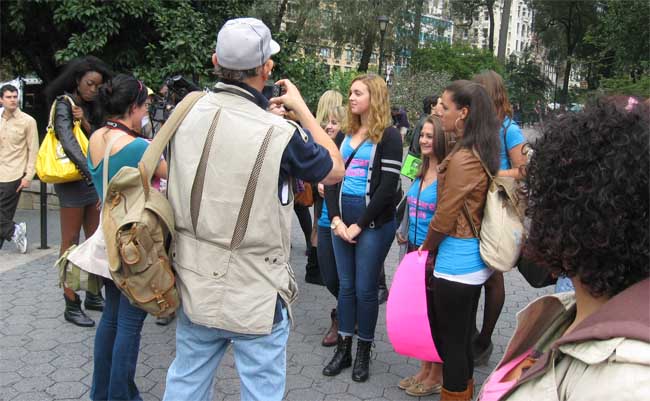
There was a fair amount of media at SlutWalk NYC. I liked the 1010 WINS reporter, who asked many thoughtful questions. I wasn’t impressed with the CNN crew, who proved so lazy that, when the WINS reporter was interviewing a SlutWalker at length, the CNN crew propped his camera up and hoped to siphon off the WINS reporter’s labor. Suddenly there were two mikes recording the woman’s words. I felt compelled to insert my own mike into the shot to make the woman look more important on screen. You can listen to what I recorded of the WINS exchange here:

This text will be replaced

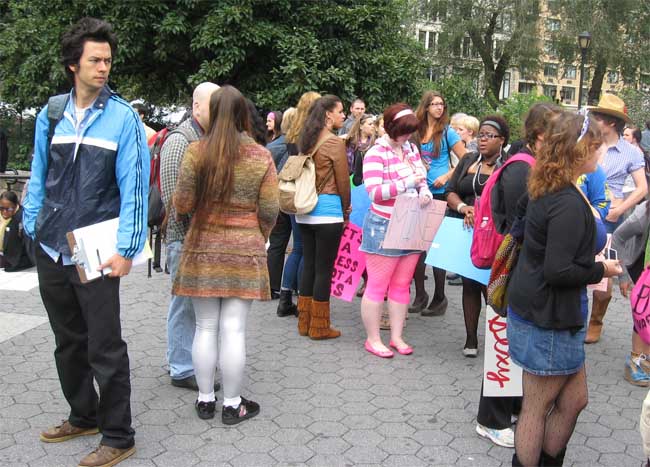
As seen by the way that the young man in the blue jacket checks out women in the above photograph, one little discussed aspect of the SlutWalk is the male gaze. I tried chasing this guy down after I had taken this photo. I wondered if his clipboard meant that he was an organizer or possibly a member of the media. It’s possible that his gaze was innocuous or that he was lost in thought.

Why is this important? Because I overheard a separate conversation between three young men on the perimeter of the protesting area. They didn’t know what the walk was all about. One of them, wearing an orange hoodie, shouted, “They say that women get raped because of what they wear. No, it’s because they crazy loons! If I’m in the jungle at two in the morning, there shouldn’t be crazy loons out there.” The man in the orange hoodie kept enunciating “crazy loons.” I tried to approach this man for a radio interview, curious if he could elaborate on his point and his curious redundancy, but he swiftly disappeared.

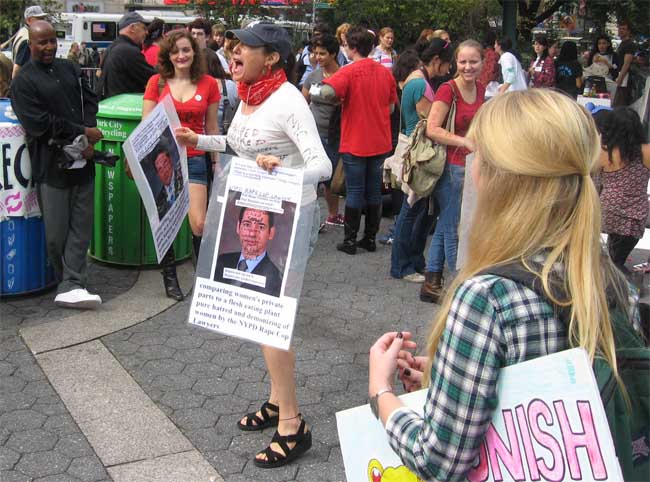
“Stop the rapes! It’s a global epidemic around the world! From babies — yes, babies are raped — to grannies! And that’s around the world! And in New York City, we have a rape epidemic! Rapes are up. The stats on rapes are up. And yet rapes are under reported. Because women don’t want to be cross-examined by Joe Tacopina and Chad Siegel. Women don’t want their vaginas compared to a Venus flytrap!”

This protester was especially vociferous in her tone. You can listen to some of her speech here:

This text will be replaced

I was fortunate to meet Becky, another of the Delaware Sluts. She helped me clarify the origin of the group. I was grateful to learn that the Delaware Sluts was part of an on-campus feminist group called The V-Day Club. The group performs The Vagina Monologues every year to raise money for women’s charities. Hearing of the SlutWalk, they brought the whole group up via bus. Becky also told me that online mobilization was one of the reasons she and her friends were here.

“I read feminist blogs and stuff on the Internet,” said Becky. “And I know that a lot of other people in the organization do too. So I think a lot of people just found it by themselves and then came together through that.”

It sounded to me that, for many who were at Union Square, SlutWalk had come together in a manner not unlike Occupy Wall Street.

Becky confessed to me that she didn’t know a lot of details about Occupy Wall Street. She was still playing catchup.

“I’ve been reading a little bit about it just over the past week,” she said. “But it’s very basic information on my part. I don’t think that anybody feels that we can’t co-exist. I mean, issues are issues. But everybody needs to go out there and be heart. I don’t think it’s really diverting attention from either one.”

This text will be replaced

But while Becky expressed a desire for peaceful unity between SlutWalk and Occupy Wall Street, I began to discover some unanticipated fissures. In search of SlutWalkers who didn’t fit into the demographic of mostly young women, I discovered a middle-aged couple named Murray and Sandy. Both were dressed up for the SlutWalk.

I asked them about Occupy Wall Street.

“I’m very aware of it,” said Murray. “I have a number of friends there. I think the message here is perhaps a little more clear and direct. Over there, it’s a little muddied. But, you know, we definitely wish them luck.”

“I’m not sure why they’re there,” interjected Sandy. “I mean, I know the economy sucks. But I’m not sure what picketing Wall Street is going to, you know, do to help the economy.”

I asked them why they thought the Slutwalk message was clearer than the Occupy Wall Street message.

“Cause this kind of stuff has been going on for as long as I’ve been alive, I think,” answered Sandy, who told me later that she used to work in Wall Street. (She also said later that she approved of Mayor Bloomberg’s parochial statement about bankers struggling to make ends meet.) “That women get accused of inviting rape or whatever by the way that they’re dressed.”

“This is an event that started from an idea with a message,” said Murray, “whereas Occupy Wall Street, I think, just came from…”

Sandy: “General dissatisfaction.”

Murray: “Let’s just go make noise and see what happens.”

When I pressed both of them further on their characterization of Occupy Wall Street as “just noise,” Murray defended SlutWalk as a permanent event and a planned event.

“It’s reasonable to work with authorities on something like this,” he said. “You want to find a compromise. We do have free speech in this society. And for the most part, it is granted. You just have to make compromises to make it work. And I think this is what happens when you make compromises. When you just kind of start showing up, you’re going to get a mass like you have down at Wall Street.”

You can listen to the fascinating five minute exchange I had with Murray and Sandy here:

This text will be replaced

There seemed to me a very conservative thrust to the type of protesting Murray and Sandy were talking about. Occupy Wall Street’s message, while very general, had nevertheless managed to be more inclusive to the public. By contrast, SlutWalk’s more narrowly defined message caused about 500 people to show up on Saturday afternoon.

Yet SlutWalk’s “more clear and direct” message had also attracted participants like Veronica — another member of the Delaware Sluts. Veronica wore very little. When I asked Veronica if I could take her picture, she said, “No thank you.” (During our conversation, she told another person not to photograph her.) When I asked her why she was dressed the way that she had, she told me, “Well, I like how my body is. I love my body and I think I deserve the right to display it the way I want and not be judged because of it.” She told me that SlutWalk hadn’t pushed her over the edge on the issue of judgment and appearance, but that “guys at my college pushed me over the edge on that issue. I’m glad that we have this organization where we can display this dislike of people’s judgments.”

This text will be replaced

Occupy Wall Street: Friday Afternoon

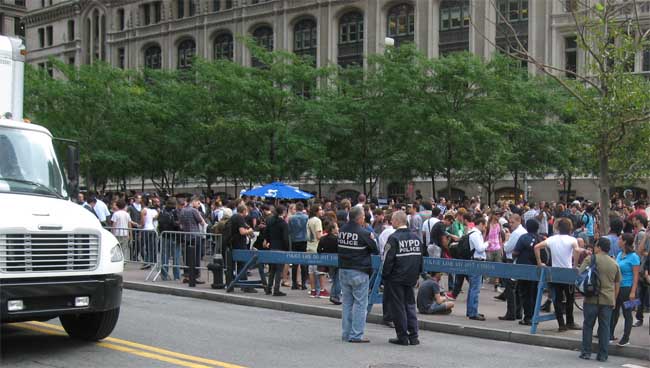
On Friday afternoon, the crowd density at Occupy Wall Street had thickened quite a bit from earlier in the week. Many of the new attendees were journalists. I counted close to thirty media types as I canvassed Zuccotti Park, watching TV vans and cameramen and reporters taking notes on their notebooks and BlackBerries. I saw NY1, CNN, Slate, a concatenation of outlets I had not seen when I hit the park on Tuesday.

“Cough drops!” barked a man with several lozenges in his hand. “Get your cough drops! So when CNN talks with you, you’ll have a clear head for your ideas.”

I hit Zuccotti Park in the late afternoon: just before a march upon NYPD headquarters. I estimated the crowd at a few thousand. More poured into the park, some lured by the prospect of a rumored Radiohead appearance at 4PM.

While the park’s perimeter remained open to pedestrian traffic and the cops remained fairly calm (perhaps due to the heightened media), I wondered it the increased media attention would cause more people to come, testing the limits of occupation. I also wondered what plans the NYPD had in store. Cops clad in riot gear? By now, a hackneyed effort to intimidate. Yet across the street from the park, I noticed a badly dressed undercover cop, wearing sunglasses and very much on his own, feebly pretending to be an activist with brand new crutches and a limp that didn’t match the way he was clutching his aluminum.

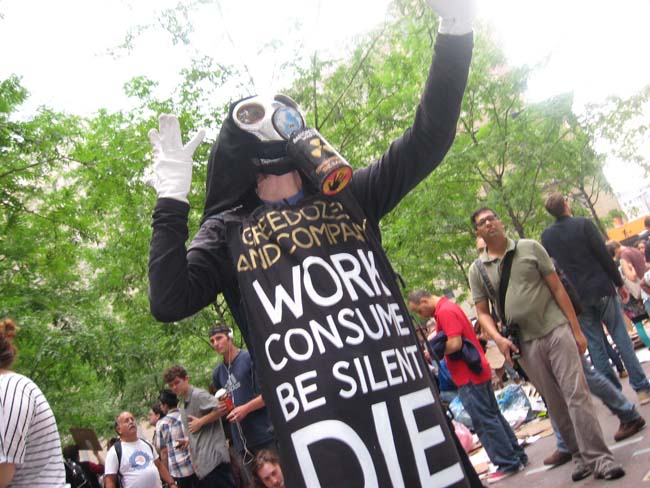
When attending a large-scale event, it is often my practice to stand in one spot and listen to the surrounding people. The protesters were fully aware that they were putting on a show. Many greenhorns — some considering themselves journalists — had come to gawk. Their intent was to document. They wondered why these people were still sticking after two weeks. Some of the bona-fide journalists appeared to be mystified about why they had been assigned this story.

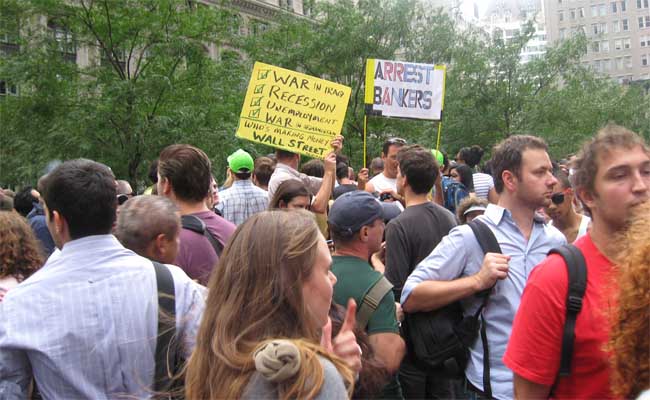
If these slogans and sentiments on cardboard and posterboard appear flip and cliched, what then is the best method to get a message across? In recent days, there has been a modest debate about whether the protesters should dress up and improve their aesthetic.

But from what I have seen in my visits to the park, it isn’t just scruffy kids wearing tie-dye tees. There are many lingering into the park from their day jobs, wearing dress shirts and backpacks. I suppose your sartorial flair depends on the degree to which you’re participating and how long you stick around. (For my own part, I was wearing a red George Orwell shirt.)