Posts by Edward Champion

Edward Champion is the Managing Editor of Reluctant Habits.

A Pot of Tea (NaNoWriMo #2)

[Table of Contents]
Previously: The Daily Seven (Chapter 1).

Her name was Grace, but she told me later that she was far from amazing and never attended church and showed me that she was not that graceful, starting with the way she wore her nubbed olive sweater inside out and carrying on lately with her clumsy gait, in which one foot seemed to be slightly more infirm than the other as she dragged her heels through the streets with a slight hobble, with the anemic pace now much louder on her billet’s hardwood floors, almost as if she had an undiagnosed case of Meniere’s, which seemed plausible given how loud the world had become, but I liked this about her, along with the fact that she didn’t wear makeup and she did not appear to give two fucks about keeping up appearances in the horrorshow real now known as New Amagaca.

She had a bold look in a city in which there was a significant gender imbalance favoring men. Most female singles latched onto the nearest gormless potbelly and, if they couldn’t land that, they would swipe their cards in gauche boutiques for pointless merch and hope that they wouldn’t be tagged and blipped by a bored and vengeful TSA man looking to blow up a human head when not molesting passengers who had the credits and the brazen audacity to travel in this hard new world. Her brown hair swooped in a sloppy beehive with stray graying strands dangling past her hanging earlobes, bedecked with the mandatory cubic zirconia earrings that all single women now had to don. Her crisp blue eyes had not entirely hardened, but these orbs were well on their way into turning cold and sociopathic like everyone else. Maybe she had collided into me because the universe that the Ruler could not kill still favored those who longed to carry on some compassionate legacy of what had once been lived before, before the American dream, or the unsustainable myth that passed for it, had been extinguished by the Ruler in favor of the new order.

She was five years younger than me, an age gap that neatly aligned with the government’s exacting seventy-two page pamphlet on how and who to copulate with. But the disparity in years had merely been a coincidence, much as a series of unlikely events had caused a bunch of white supremacist yahoos to firebomb the White House, followed by the Virginia Massacre that had killed ten thousand and the insurgency that had butchered countless more and the new front erecting tall lumbering spires and sinister checkpoints on every block in every city and the division of the populace by political taxonomy, some of us pushed into camps and others executed and still others dreading the day that they would surely be selected by the daily seven algorithm. Grace and I held hands only because we knew we’d be arrested by the pleasure police if we didn’t. We held each other from a more sincere place of common empathy because we instinctively felt that we were the only two souls who seemed to care about that poor orphaned boy beaten to a pulp by the bloodthirsty crowd.

As I wiped her dry thin lips of vomit with my soiled polka dot handkerchief, and as the bright Amagacan floodlights shot hard pink and lavender into the sky, I told Grace that I was a desert father and asked if she knew what that meant and she said that she did and she smiled a rare smile in this hellscape we had been complicit in allowing to happen and now had little choice but to live through and carry on, even though carrying on was akin to binging through the worst Netflix sitcom imaginable. Many sitcoms had been put into production under the Ruler (he believed that television was the cornerstone of Amagacan life), given sixty episode runs for the year instead of the former twenty-six so that singles had plenty of content to watch to get down with the chilling business to produce a steady stream of innocent babies who would grow up in this hellish new normal, most infants named after the Ruler and various sitcom characters because the government had done everything it could to destroy our collective imagination.

“Would you like some tea?” she said.

“Tea is hard to come by these days.”

“I have good Indian tea. It’s impossible to get tea from China. But I do have sugar and even milk smuggled from a Kansas dairy farm hording some of the remaining cattle. Please don’t report me.”

“I won’t.”

“Builder’s tea.”

“Isn’t that a tribute to the nightmare across the ocean?”

“It’s worse over there than here. Maybe this is the coldest spot in hell. Across the Pond, we used to say.”

“Not that either of us could visit there. You’d use your rations on me? You barely know me.”

“You’re not like the other singles. If you wanted to Netflix and chill, you would have made your move by now.”

“And if you wanted that, you would have turned on the stream and let the algorithm decide what sitcom we needed to watch so that we could get in the mood. So that makes two of us who still believe in something else.”

“I don’t want to love you.”

“I know.”

“I don’t know if I believe in love anymore.”

“Maybe all the hookups have killed the instinct.”

“I have some friends who have found love.”

“Yeah, but can you really love anyone anymore? When everyone is so cruel?”

“Not everyone. We should be careful.”

“You’re right.”

The two of us stripped down to our underwear just in case the pleasure police decided to conduct a raid on this section. The thin walls could not disguise the mechanical grunts and woeful moans of other singles in other billets memorializing the binge of a sitcom season, ensuring that their personal ratings would remain somewhere between four and five stars. In those days, you could still rate your neighbors. The government was initially more understanding of singles who could not find a hookup every night. The policy had been very bold and very new and everyone was still working out how and how often to fuck in order to placate the Ruler. Sometimes, Denise and I pretended to copulate after a game of backgammon just to nab a few peripheral ratings from neighbors, who often planted their ears to walls if they could not hookup that night. This provided more documentation that we could provide to the police and the magistrates if we were ever caught living in a friends without benefits manner. In the early days, two of my closest friends had been rounded up for being friends without fucking. And I knew that I was living dangerously in actually getting to know another single of the opposite gender, respecting her in the ancient three date way or the mature manner in which you cultivated a friendship with someone you didn’t hit it off with or, more daringly (and more frequently in my case), never viewed her as a sexual object at all but as a dependable compadre.

“What’s that scar?” I asked, pointing to the ruddy encrusted trail on her left shoulder.

“A previous hookup. He got a little wild with a knife.”

“I’m sorry.”

“Don’t be. I’ve had worse. But the others didn’t leave permanent marks.”

The kettle hissed with a blissful whistle and she poured the water and the milk and the sugar into two mugs, with the dangling string from the teabags leaving a cracked matted line against the porcelain. She placed the two mugs on the white government-issue plastic table common to all single billets.

“This is nice,” I said. “Thank you.”

“Thank you for not asking me to Netflix and chill.”

“Do you remember when they singled out men who had abused women? That had been in the last days. Film producers, famous actors.”

“But not politicians. Not the President.”

“No.”

“We directed our energies towards entertainment rather than politics. Some men in power suffered, but the real men in power triumphed and helped make this happen.”

“And we lost that last election.”

“Are you okay talking about this?”

“Honestly, after what I saw today.”

“It now happens every day.”

“That doesn’t mean it disgusts me any less.”

“Do you want to live?”

“There are some days that I don’t.”

“Do you think it will pass?”

“I don’t know. But humankind survived the Middle Ages. So I suppose anything is possible.”

“It’s nice talking like this. Reminds me of the old times.”

“Shouldn’t we get down to business?”

“I suppose so. Would you like to pretend or be real?”

“I’d rather pretend because you seem very nice.”

We knew when our neighbors pretended to fuck and we were careful to rate them even when we didn’t like them or their performances were weak. We needed to rate our conquests to help the daily seven algorithm because you would get docked one star if you failed to rate a hookup within twenty-four hours. And it was important to hookup on a somewhat regular basis to ensure that you had a somewhat regular rating. You could usually get by on one hookup every two weeks. That would keep you hovering around 3.5, a fairly safe rating that would usually keep you from not being selected for the daily seven, but this assumed that your partner wasn’t sour or vengeful and was understanding with you even if neither of you had any physical chemistry together. This listlessness in matters of the flesh was happening more and more these days as fucking became more regular and soulless and people couldn’t find pleasure even when they were told about crops and rope and handcuffs and blindfolds. We were sent daily seduction tips, often featuring interactive maps outlining directions to the clitoris with sultry hip-hop music playing beneath the alluring graphics, to ensure that all would be satisfied in New Amagaca. Some citizens had been profiled in the news feeds as studs and sluts. A small number had become pornographic stars, singled out for their athletic contributions that the tastemakers had liked and favorited on the social networks. This was one way you could survive under the new regime if you didn’t want to work the assigned labor. YouTube now only enabled monetization for singles who were willing to confess to the world how they were fucking. So the system was rigged to favor the prolific and more adventurous hookup practitioners. But you couldn’t live like this forever. Because as you grew older and your looks faded, your life could be derailed and your rating might falter if you didn’t find a partner and go to city hall and get the stamp from the alderman and the notary formally memorializing how you had switched from single to married status, although this was by no means guaranteed and it was useful to make sure that your partner was pregnant. If you were not heteronormative, which was the orientation that the Ruler tended to publicize, you could be one of those singles playing the hookup game well into your forties and fifties, although that was more difficult. If you were not heternormative, you could, in theory, adopt one of the many children who had been left by a daily seven single parent. But the government only granted you non-heternormative marriage if you were willing to take in a minimum of six orphans. And it was hard enough to survive with the average 2.2 children. Because of this, the algorithm often selected orphans for the daily seven. Because the algorithm knew best and could often detect if an orphaned child had no prospects, not even among the non-heteronormative types. And you could not talk about any of this because it happened swiftly and it was all deleted from the search engine results even quicker and you had only your fallible memory to rely upon.

“What’s your name again?” asked Grace.

“Alex.”

“Alex, let’s pretend.”

“Okay. We should probably move to your bed.”

“I chose a bedroom without any windows.”

“Smart. I know drones that fly outside windows to corroborate hookups.”

And the two of us scampered underneath the white duvet. It was getting cold and I saw goosebumps sprout on Grace’s bare arms and I made sure she was covered. And we lay next to each other, snickering a little bit to ourselves, and we began to howl and fake our orgasms. We had taken the batteries outside of our phones and placed them in the freezer so that the government would not capture any AV, but, when we turned our phones back on after our performance, we heard the blips of favorable five star approvals from our neighbors, who had rated us strictly on our sounds. And the two of us laughed and high-fived over our convincing performance and we soon fell fast asleep, hoping to survive another wretched tomorrow. And I began to like Grace a little more.

4245 / 50000 words. 8% done!

Next: We’ll Always Have Brunch (Chapter 3)
The Daily Seven (NaNoWriMo #1)

[Table of Contents]

They pushed seven people into the death house just as they always did at seven o’clock. We were accustomed to the screams by now. Sometimes the cries for clemency and the plaintive declarations that life was unfair comforted you when you played backgammon.

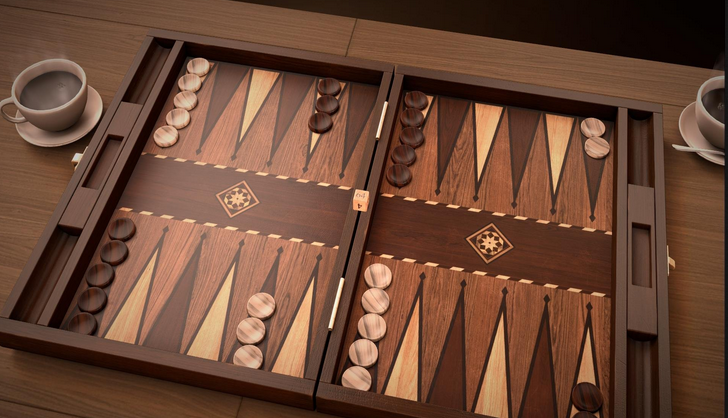
I wasn’t playing backgammon that Thursday evening. My partner Denise said that she had a last minute appointment, which was perfectly legal if you had the supportive documentation, although some people were now executed for what had once been called ghosting. I think she preferred to play backgammon in our assigned quarters because she didn’t want to deal with the smell of charred flesh burrowing into her nose as she slid smooth checkers across white and tan diamonds. I hadn’t seen Denise in weeks, but she did text me the mandatory pictures of herself in languorous poses to avoid any excess taxes. We were in the clear. And I knew that I would play backgammon with her again sometime very soon.

“Is everybody having a good time?” boomed the alderman through the purple megaphone across the street, which was now thickening with strangers waving pitchforks. His words barraged us through the cafe’s open windows, causing a man who had stayed very quiet during the last few hours to rise from his laptop, thrust his long gangly arm in the air in appropriate salute to the Ruler, and shout, “Fuck yeah! Let the heathens die!” The Ruler had always insisted on fun and happy colors and this cafe was no exception: the browns of the table had been reinforced by garish blues and greens that never quite sailed out of your peripheral vision. But the government-mandated decor couldn’t quite extinguish the bleakness of the ceremony. Still, the death house cheerleaders were, at the time the alderman announced these words, forming themselves into a near perfect human pyramid, with the crowd giving them space to perform their celebratory ablutions.

The alderman was a short and pudgy man with a lengthy beard and a harsh nasal voice. He stood just above the rickety parapet across the street, where you could see the daily seven being trotted out high above us for fierce jeers and ideal Instagram angles. Nobody liked the alderman. He was one of the first who turned with the new order, when there was still a climate to theoretically resist. But, of course, you couldn’t say this. You couldn’t say much anymore. They monitored everything, but they didn’t need to. Enough people had become loyal minions to the Ruler. Every social network served as its own built-in informer force. And if the rats didn’t call you out for offending anyone, there was a good chance that the algorithm would spot you and push you near the top of the list and you might be one of the daily seven drawn in your city that day. So it was best to keep your head down and attempt normalcy.

I drained the last of my cafĂ© au lait, heard the bold deafening roar of fire and electricity being initiated for the executions, and watched the seven people shivering high on the platform above us. There were three women, two men, and two small children who couldn’t be more than twelve. In the earlier days of the death houses, the daily seven’s charges and transgressions against society would be announced along with the names. But when the last of the protesters caviled against this (and were swiftly put to death), this part of the ceremony was abandoned. This had shortened the ceremony to about twenty minutes, which really needed to be done. The longer the ceremony carried out, the more likely people were to ask questions about it. And we no longer lived in a world in which questions were part of contemporary life. The brute force of blunt declarations, whether true or false, carried us through the day.

“These are the criminals who stand against a better tomorrow,” cried the alderman. His words were accompanied by a lush and loud orchestra stationed near the death pit, but the notes they poured into the open air were drowned out by the flickers of orange and blue raging against the shelled out colonial style ruins of the death house, which stood tall and proud and obscene with the maws of its hollowed out mansards waiting to taste the fresh new seven.

The daily seven protocol had been initiated as a punitive measure in the two hundred most populous cities captured by the Amagaca Front and the government was doing its best to address the declining population count by banning contraception and forcing many of the remaining singles to hook up by force if they wouldn’t Netflix and chill by choice. Denise and I preferred to talk and play backgammon, which we did half-naked. That way, if the pleasure police ever knocked on your door, you could shift to a lecherous snog to avoid arrest.

I wasn’t especially macabre in temperament, certainly no more than anybody else, but I had always been a man of routine. Routine helped me to cope, even as I had watched my younger brother, who had been a journalist before flattery measures kicked in, get hauled away by the police and omitted from the search engine results. The last three years had been difficult for everyone and you hoped that they never called you when they rounded up the daily seven, which was always announced in a bright cheerful tone, along with the sports scores and the winning lotto numbers, on the displays that nobody could ever turn off.

I left the cafe with my battered blue rucksack and saddled up with the serried spectators craning their necks near the velvet rope, who were rubbing their hands with glee as the death house bellowed, anxiously awaiting the seven new criminals. The death house’s cacophony was often so loud that one required earplugs, which were sold by the enterprising vendors who had erected tables just outside the death house. Free trade, after all, was encouraged in any form by the Ruler. The vendors also sold T-shirts, pierogies, miniature models of the death house (a fun birthday gift for the kids), and large photos of the Ruler that could be nailed up on any blank wall that had somehow escaped the Ruler’s now ubiquitous mug.

The daily seven ritual, which had been thrust and instituted upon us so quickly that there seemed little hope of ever overturning it, was undeniably hypnotic and entertaining. It emerged, like much of the Ruler’s plans, from a crazed and instinctive sense of showmanship. It was grand mortal theatre ignited by one man’s narcissism, which quickly became addictive to everyone. The daily seven always drew a large audience. Some who worked the night shift requested time off work to attend the ceremonies. Because the daily seven was never quite the same if you watched it on your phone. It had to experienced live, when at all possible. All wondered if they might recognize one of the daily seven who had been declared evil. And you would often hear them muttering their theories about those rounded up to die:

Oh, I always had a bad feeling about him.
She never smiled at the company picnic. It was a potluck and she showed up with a bag of chips that she poured into a bowl. She had some nerve! The rest of us went to so much effort!
He kept to himself too much.
She attempted suicide. I can’t think of a more pathetic plea for attention. She wasn’t really suffering. It was all part of her plan.
I saw her looking at porn on her phone. This when her baby was fast asleep!

Etcetera, etcetera.

People were sometimes summoned if you fed a name to human resources, which had been unified across all companies and centralized by government edict. In the earlier days, you might have had a face-to-face meeting to clear up a dispute. But when the death house became a mainstay of life under the Ruler, the meetings stopped and the algorithm had a larger pool of names to draw on. The general dread of being accused and picked was why so many people no longer talked to each other aside from the unavoidable shorthand of ordering a coffee or asking a salesman for the price of a new suit. You couldn’t even haggle anymore, for free trade always favored the seller. If you were defrauded by a seller, there was no longer any recourse to sue. You still had the option buy nothing, although this was often risky, especially during the holidays. Any citizen who was not accumulating items at a reasonable regular rate to support the economy could be sent to the consumer camps, where you would either be reeducated or put to death, as determined by the state. My sister, once a prominent freegan who had been profiled in a few magazines, had been sent to a consumer camp and the walls of her billet had become a tapestry for boy band memorabilia. She now swiped her card liberally and she was never the same.

Every so often, you’d see one of the seven picks attempt an escape. And that’s when some underpaid yutz in an airport would press a button. Some people simply had no knowledge that their names had been called for the daily seven and they would often fail to show up. About six months before, I had been sitting in an auditorium, trying my best not to nod off during a work-related PowerPoint presentation delivered by a humorless woman in a gabardine blazer. Just as she advanced to her penultimate slide, coming to the peroration of her dreadful speech, we were all surprised when her head exploded just as she was set to sell us on how to raise our dynamic potential. Apparently, her words in favor of the Ruler were not enough to escape being selected by the daily seven algorithm.

None of us could entirely remember what the world had been like before, but there had been the faint sense that it was better, even though the government had destroyed all evidence of what we once documented in droves. We would often talk in Faraday rooms, but I did know of a few citizens who had been selected for the daily seven despite our precautions. The finder’s fee that came if you reported someone to the hotline and the name came up when they selected the daily seven was simply too lucrative for some people to pass up.

We were coming to the big finish of the daily seven ceremony. The orchestra became louder as the daily seven started to whimper. It was important to make sure that we could never hear their suffering, but of course you could always could. I watched one of the two kids piss his pants. Then the other kid panicked and cried and leaped off the platform without warning. I quietly hoped that he might accidentally fall into the death house. Because that was better than the alternative. But he wasn’t so lucky. He was caught by the crowd and they all clawed into him, stabbing their pitchforks into him like a turkey ready to be carved up at Thanksgiving. If the spectators didn’t have implements, they kicked into this frightened kid in the areas of his body that their augmented reality headwear had designated “Please direct physical violence without impediments here to avoid injury.” The kid’s life swiftly left him and he became nothing more than a bloody and unidentifiable pulp. The crowd roared.

“Well, that’s one for the crowd and six for the house!” cried the alderman.

The remaining daily six ambled silently along the platform, but the look in their eyes, which you could still see fifty feet below, told us that they were ready to leave this mad world, a world that we still had to live in. They fell one by one into the death house. You could hear their screams from half a block away.

I looked for one of the designated regurgitation areas and threw up. I ended up meeting a woman there who was similarly repulsed by the ceremony. We held each other and agreed to go to her billet once we heard the rosy sirens of the pleasure police looking for loners to round up.

Next: A Pot of Tea (Chapter 2)

2071 / 50000 words. 4% done!

Maybe It’s Not The End

Sometime on Monday afternoon, after having a lavish Indian lunch to take care of myself, I started cultivating a “you can’t stop me” attitude. Maybe it was the spice in the chicken tandoori, but some inkling of the resilient man I sometimes am kicked in as I resolutely refused to be distracted by the headlines or any superficial social media dust-up.

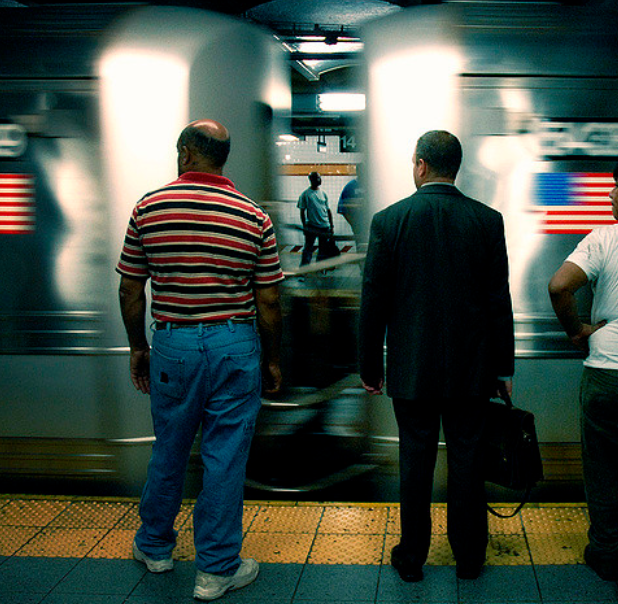
A few hours later, I was getting off the subway and some loutish man pushed me. I recalled how a fireman had pushed me not long after the November election as I was minding my own business walking down a sidewalk and how I had then said nothing. I felt a wave of adrenaline.

I turned around. He was a medium-built man, roughly my age, with a dark blue sweater that was preposterously at odds with the New York look he was trying to will into his eyes.

“Excuse me,” I said, “You can’t do that.”

“Why?” he replied.

“Because it’s rude,” I said, “and nobody here made you king.”

“Do you want to start something?”

“If you want to step outside and we both agree not to press assault charges on each other, then, yeah, we could go a few rounds. I personally guarantee that I’ll clean your clock. But I really don’t want to do that. I just want you to understand that, as a human being, you can’t go around pushing people.”

“I can push anyone I want.”

“How was your day?”

“What?”

“I said, how was your day? Shitty? Is that why you’re pushing people?”

“Dude, you don’t want to fuck with me.”

“And you don’t want to fuck with me. So let’s not fuck with each other. Seriously, are you having a shitty one? Mine hasn’t exactly been the greatest.”

And that’s when I saw the sadness in his eyes. Then he started telling me a story about how he snooped through his girlfriend’s texts and learned she was cheating on him and had not yet talked with her about it and how his boss was chewing his ass out. But I somehow summoned my wit and made him laugh a few times. I told the man that I had to go, but that I was really glad he opened up to me. He told me that he would stop pushing people. I wished him well and we gave each other a fist pump. This all went down in about five minutes.

And that exchange, which could have easily exploded into violence, somehow didn’t. And it has caused me to reconsider a rather dramatic decision that I made in the last few days. I still need some time to sort out how I feel and what I’ll do. I’ve enjoyed being disconnected from social media and being reminded that in the real world, which is the only one that counts, the beefs that people start with each other are more easily settled. Because it really makes a difference when we’re looking at each other. We’re more willing to feel something and see an unruly person as human.

(Image: Mo Riza)

The Unfathomable Mistake of Kevin Spacey

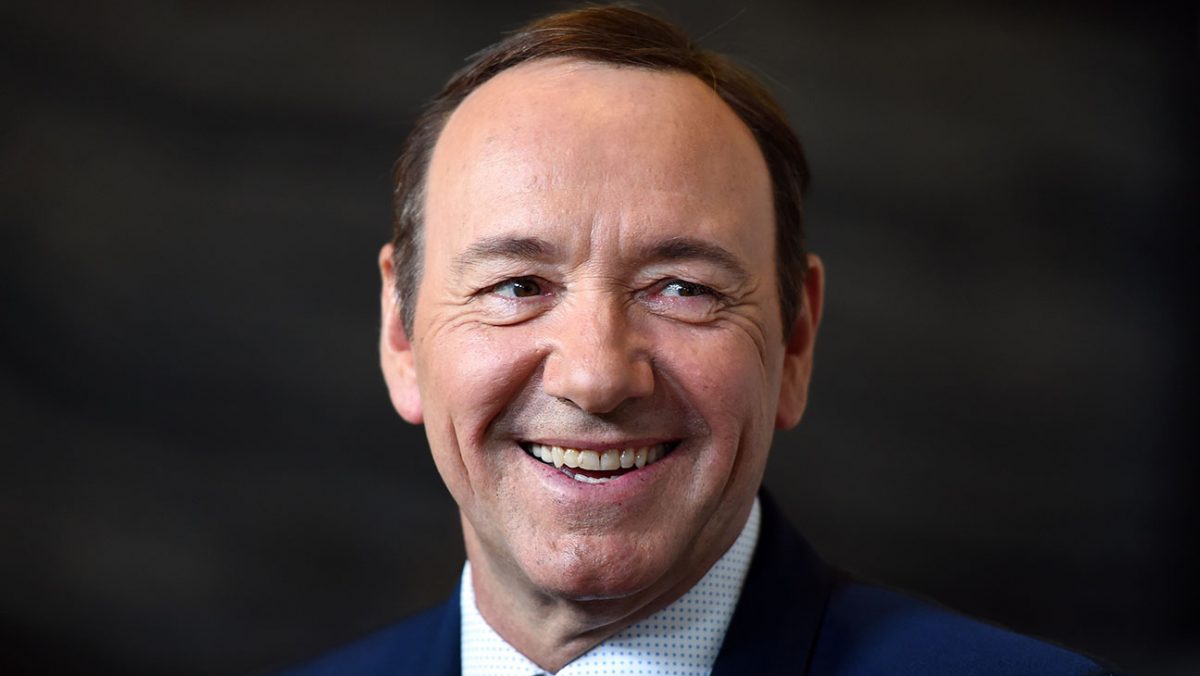
Kevin Spacey likely believed, as all men in power do, that it would all work out. He could not recall the details of a drunken episode from twenty years before in which he was alleged to have sexually assaulted Anthony Rapp at the age of fourteen. This was very much on the level of the ongoing abuse committed against minors by Catholic priests, where men in power had invited young boys into safe space and violated their trust. In Rapp’s story, Spacey allegedly invited Rapp and his boyfriend over to watch the Tony Awards in Toronto, a ritual among actors as holy and as protracted as a Catholic wedding. He picked Rapp up like some sack doll, deposited him like a lithe concubine onto his bed, and believed that this kid was his for the taking.

Aside from failing to consider the full impact that such unfathomable behavior would have inflicted upon a kid, Spacey had willfully misread the climate that had flickered into being after Harvey Weinstein had been rightly exposed as a predatory animal. Sexual abuse and unsavory quids pro quo had been hidden from the public for far too long. Victims have seen their lives damaged or severely set back, if not permanently derailed, because the victimizers have long controlled the narrative. But now the victims are taking the narrative back, even as Twitter attempts to stifle their voices with flip twelve hour suspensions. Men in power had told these victims for too many years that being an objectified plaything or watching a man masturbate or allowing a man to suffocate you with his intimidating physical presence were the only ways to get ahead. There were decades of pain, years of depression, quiet cash settlements, countless days where victims were fighting the battle to rebuild their self-worth after media forces and Hollywood mechanisms tried to invalidate their stories and vitiate their pain. The time was well overdue for a reckoning.

And so Kevin Spacey issued a statement. Because his efforts to understand what he may or may not have done were directed inward, he did not have the power to look outward. This is the common trap of anyone coming to terms with bad behavior. Kevin Spacey could not see that Anthony Rapp was due more than “respect and admiration” and that his alleged actions were not merely “deeply inappropriate drunken behavior,” but a deep scar that Rapp had carried for more than thirty years and that we may never know the full story about. And Kevin Spacey refused to step down as the cynosure of the narrative.

Instead, Spacey did something even more despicable in his attempt to atone. He aligned his sexual abuse with his sexuality, using the opportunity to come out as a gay man. As bad timings go, this was just as repulsive as David Leavitt tweeting “The last time I listened to Ariana Grande I almost died too” just as a terrorist had killed 22 people, including children, at an Ariana Grande concert. But it was far more insidious. Because Spacey’s statement equated sexual abuse with sexual orientation, which is akin to any number of racist stereotypes perceiving the black body as hypersexualized. Spacey’s statement was, to say the least, wrongheaded and deeply offensive to both the struggles of sexual abuse survivors and those who are afraid of coming out. That it follows so close on the heels of Robert Scoble’s deplorable outing of an abuse victim and his slackjaw-inspiring suggestion that his sexual harassment did not qualify because he did not possess power (a lie) suggests that men in power who have committed deep wrongs are incapable of putting their egos aside when coming to terms with the trauma and unpleasantness that they have inflicted upon other lives.

I believe that Kevin Spacey should be allowed to come to terms with what he did and continue his fine work as an actor, but he’s not helping himself by surrendering his sensitivity. The victim must always be prioritized over the victimizer in cases of atonement.

The Strange Dread of Being Alone with Your Thoughts

In 2014, an audacious psychology student named Erin Westgate carried out a bold test of Pascal’s famous crack about humanity’s problems stemming from the inability to sit quiet and alone in a room. Westgate took away all technology from her participants and placed them in a lab. There would be no Candy Crush to distract these guinea pigs on their confiscated smartphones. Run the Jewels 2 or some other album of the moment would never bellow through their surrendered earbuds. The participants were even divested of their watches.

There was a button adjacent to each of these human lab rats. Pressing the button would deliver an electric shock. Westgate asked the gathered crowd if they could test it out. They did so and the shock was unpleasant. Then Westgate asked the group if they would lay down some dollars to avoid the painful tingle from the button. They said that they would. There are no details about the price that the participants were willing to pay or whether or not Westgate accepted credit cards.

But the next stage of Westgate’s experiment is where it gets fascinating. The subjects had a small window of time — about twelve minutes — to sit in their chairs and not nod off for a nap. They simply needed to be alone with their thoughts. This was all they had to do. But if they wanted to press the button and shock themselves, they had this option as well. Twelve minutes isn’t all that long in the grand scheme of things. There are people who would stand in line for lunch in that time. (The average wait time at Umami Burger is 55 minutes.) We probably fritter away at least twelve minutes doing something stupid on any given day. But when there were merely thoughts, those twelve minutes turned into torture for a sizable cluster of the subjects. An astonishing 70 percent of the men and 25 percent of the women were so nullified by the idea of wandering with their minds that they couldn’t make it twelve minutes without hitting themselves with a startling jolt which they had already confessed that they would pay good money to avoid. Being shocked (and arguably waiting much longer than this for a shittake burger in a trendy Battery Park lunch joint) was preferable to finding pleasure and possibility within these thoughts.

If the human mind has been given to us to take in wonder and imagine happy scenarios, why then is there this masochistic impulse to shut down the mighty noggin in its prime? We are happy to spill our thoughts to others with endless tweets and texts, but the beats inside our heads are not such a sexy dance for some, especially men, who are also sparse in numbers if you ever take a swing dancing class, which is itself a kind of meditation. Perhaps this is because being alone sometimes requires us to face our fears and anxieties, which might otherwise be obliterated with relentless stimuli. Or maybe there is some quality increasingly steeped in our culture that requires us to share rather than withhold.

Thoughts are a cornerstone of meditation. And it’s worth observing that a Brown University study earlier this year revealed that, much like the women in the above University of Virginia study, women were far more likely to overcome a downcast mood in a mindfulness meditation session than men were. It may very well be possible, although one winces at the stereotypes that the two studies appear to uphold, that women are better equipped than men to find pleasure and compassion and positivism within their minds. Perhaps women are less likely to feel the dread of being alone with their thoughts because the patriarchal cues of Western culture (mansplaining, the disproportionate number of times that men interrupt women, the swinish Uber board member who declared that women talk too much in a meeting about sexism, et al.) sometimes present them with limited options. Or maybe society itself is already administering a shock with subtle crimes pertaining to gender disparity and the mind is thus a more welcome refuge.