Posts by Edward Champion

Edward Champion is the Managing Editor of Reluctant Habits.

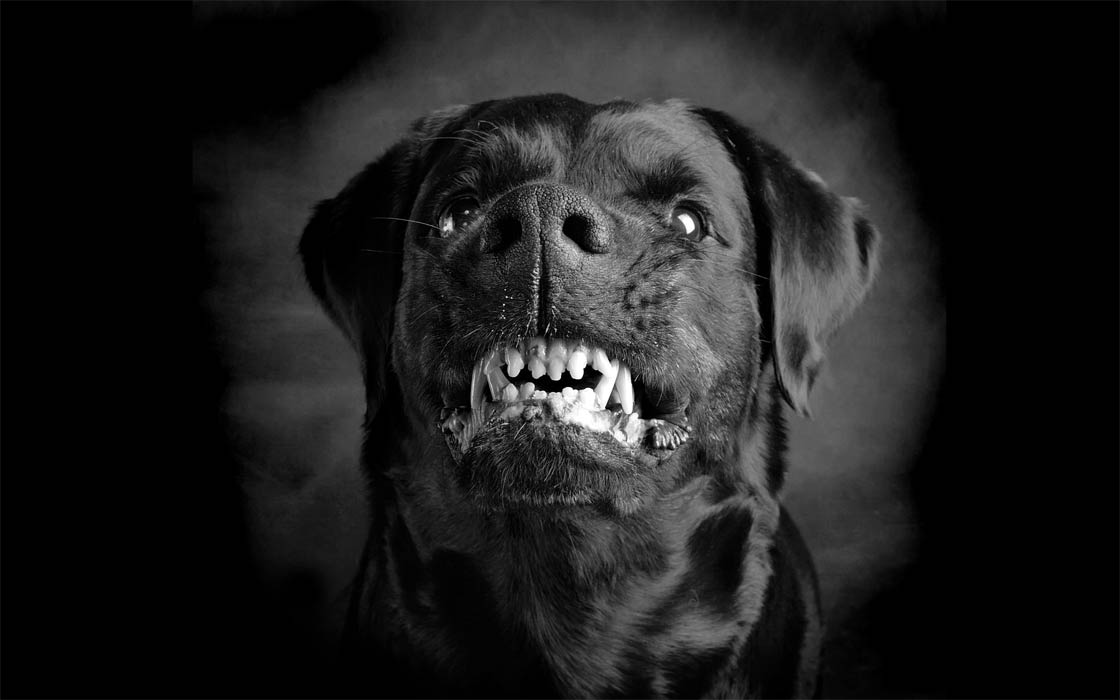
The Black Dog Barks During the Holidays

It was five years ago when I got the news. Weeks after I lost my mind and I became unhinged and I hurt people with words that I remain deeply ashamed of and I attempted to throw myself off the Manhattan Bridge to end my life and I issued numerous heartfelt apologies and I was spending my subsequent time trying to dig my way out of sadness by extending empathy to people who were more damaged than me in a Bellevue psych ward.

Then it happened.

That’s when the psychiatrist took me into a room and gently said the words that startled me: “Ed, you have bipolar disorder.”

I’ve never confessed this to anyone outside of a few of my closest friends. But I’m saying it now. Publicly. Because I want to own who I am.

I have a disability. And I no longer want to feel any shame about my condition.

I know that I can still live a healthy and positive life. I know that I’m usually a great pleasure to be around and that plenty of people who have taken the time to know me are incredibly understanding and see the great good in me. I held down a job for four years before resigning to pursue other opportunities. I put together an audio drama out of my apartment from nothing, one featuring dozens of tremendously talented actors who are all dear to my heart. I went from being homeless and broke to having my own place in Brooklyn within nine months — a far from easy trajectory. I have devoted every day of the last five years to performing a secret good deed to pay back the universe for any hurt that I have caused people. I know that I have changed — and even saved — numerous lives for the better, but I still believe it’s incredibly self-serving to discuss all the good that I have done. So I usually stay silent about all this.

I have learned that I have to let people make the choice to have me in their lives and to see me for who I truly am. You can’t stack the deck when it comes to social bonds. This has made me, on the whole, a lot happier.

Still, I am very sad and hopeless when the holidays come around. Because this is the time of year that represents an anniversary that often stops me in my tracks and leaves me paralyzed in bed for hours, unable to read or write or watch movies or edit audio or even respond in a timely manner to the texts of friends. And the shame is so deep that, as of right now, I somehow cannot even find it within me to accept a friend’s incredibly generous invite to join her family for Christmas dinner. Because the idea of not having a family, and the crazed associative seduction that comes from believing a narrative in which nobody loves or cares for me, is all part of the black dog’s insidious plan to take over my life.

I know that I have to be on heightened alert before December 26th. When that glorious day comes around, I am usually the happiest. Because I am finally at peace. Until the next year rolls around. You see, the black dog likes to come out and bark during the holidays — as it did recently when a man told me that he would beat me to an inch of my life on the subway because he thought that I was looking at him when I wasn’t. And I was so hopped up, so fully prepared to get into a fistfight with the bastard and show him who was boss. Thankfully a kind soul interceded and there was no violence. The black dog kept growling. He was thrilled by the promise of shaking himself loose from the leash and the cage. I challenged a film critic a little too hard on Twitter over the most trifling subject imaginable and I allowed a writer who I had once admired to debase and belittle and disrespect me and I responded to him — stupidly and privately — with four emails (three vituperative, the last an apology for the previous trio but a firm effort to stick up for myself) expressing how much he had hurt me for cavalierly writing me off and dismissing me after all that I had done for him over the years and all that he did not know about me or my life. It was disgraceful. I want to be clear that I’m not proud of any of this. I was so beaten down from all this that I posted a series of gloomy tweets (since deleted), including a poll asking users if the universe was better off without me. Friends became concerned. God damn that black dog. What a selfish asshole. Causing people worry. Upsetting people dear to me. Wanting to strike lexical terror against people who didn’t deserve it. But I’m grateful to my friends beyond words. I am also deeply ashamed of how I fell victim to the black dog. I received texts. Direct messages. Phone calls. One of America’s most trusted newsmen even tracked down my number and called me to make sure that I was okay, gently telling me that I was irreplaceable and listening to me gab for a ridiculously long time, understanding all the while that this was my way of finding humor in a terrible predicament. It was one of the sweetest things anybody could do. I would defend that man with my life.

What all these incredible people were trying to tell me is something I never got to hear five years ago: “Ed, you have bipolar disorder, but it doesn’t mean that you can’t live a life and it doesn’t mean that we don’t see how you’ve turned your life around and it doesn’t mean that we don’t see the love you give out into the universe. You, in turn, are loved by us.”

That’s it. That’s all I needed to hear. It’s simple really. Love. It chases the black dog out of the room. It’s kryptonite against bad feelings. You’d think that people would recognize that love is the very quality that people would cleave to when others are feeling troubled. But in an age of cancel culture, in an epoch in which making sweeping judgments about who a person is based on a few social media snapshots is now the norm, we’re living in a world in which love is either disposable or at a premium.

This is one of the reasons why it’s taken me five years to own up and be up front about my disability. When people you love betray you and belittle you when you’re down and out, it represents a crippling pain that takes many years to reckon with. When people intuitively detect a moment to attack you as you’re doing your damnedest to be your best and truest self — and there’s no room or space for even the smallest screw-up — that’s when the shame sweeps over you. That’s when the charlatan humanists come out of the woodwork and say, “Hey, be a better person, you son of a bitch!” And the level of rage you feel because some mean-spirited and unthinking dope has summarily dismissed all that you’ve done to be better invites the black dog to dart out of the sagebrush with impunity. I don’t know if anybody can understand or sympathize with that. Looking at how my anger was expressed from a more objective perspective, I’m hard-pressed to empathize with the guy who was motivated by the black dog. But empathize I must. Because to not do so is to give into shame that deracinates personal growth.

The shame was planted not long after I was released from Bellevue. By a vicious podcaster who feigned friendship and who kept badgering me for an interview by phone and text and who I begged to leave me alone. I was trying to recover while living in less than ideal conditions: a crowded room in a homeless shelter in which violence was a regular occurrence and one had to be very careful. I finally agreed to talk with him so that his phone calls and his messages would stop. The podcaster kept saying, “People will understand you after this. Trust me.” Did he not know that I was still trying to comprehend myself? The podcaster proceeded to paint me as the greatest scoundrel who ever lived: a villain unwilling of forgiveness or understanding who had planned this strategy for attention-seeking all along. With casual cruelty, the podcaster negated the terrible truth that I was trying to grapple with: that I was deeply unwell and that I needed to adjust the way in which I lived so that I could be a functioning member of society. The look of selfish relish and rampant opportunism on his face. The way he sipped greedily from one cup of coffee and didn’t even offer to buy me one when I had a grand total of thirty-seven cents to my name. The methodical way that he gleefully punched down as I traced the spot on the bridge where I had tried to off myself. It was all shocking conduct. Behavior that I would never, not even in my darkest hour, offer to my worst enemy. And I was powerless. Desperate. Living with pain. All because I wanted to oblige and be understood after a significant share of people had permanently and justifiably departed from my life.

The shame was furthered by my toxic family. They refused to help me, not even offering me a place where I could simply sit for a few weeks and reckon with the pain of losing everything. They actively and enthusiastically left me for dead. I was forced to sever ties for my own emotional and mental health. The shame got hammered further by my ex-partner, who I had pledged in good faith and as I was feeling debilitating despair to leave alone and not bother again. She used the bipolar diagnosis as a weapon, an occasion to seek needless revenge. She sent me a legal letter in which the attorney declared that I was “retarded,” among other misleading legalese that dehumanized me and reduced me to a sobbing ball of nothingness before I could even come to terms with the truth of my revealed life. But I understand why she did this. I hurt her terribly with my crack-up and bear her no ill will. I was forced to show up in court with a court-appointed attorney on the morning after I had been abruptly moved without warning at two in the morning to another homeless shelter in East New York. I was penniless. I begged the staff to borrow a MetroCard and a razor. I somehow managed to arrive at the court fifteen minutes late dressed in the only sportscoat and tie that I had. That dreadful morning, my identity was attacked with relish. Friends were shocked by her behavior. They were shocked by my family. But I still had love from this small but growing cluster who realized the true score.

It’s bad enough being publicly shamed for words and actions that you never actually committed — such as the time last year in which the audio drama “community” bullied me days before Christmas and invented a series of vicious lies and uncorroborated falsehoods about me — ranging from me being a pedophile to living alone with chickens to harassing people who I had sent nothing but benign messages to — after my audio drama, The Gray Area, won a coveted Parsec Award. The holidays are bad enough for me, what with a family that has disowned me and the way in which so many people who need our love are left in the dust due to the selective application of what constitutes “holiday cheer.” But last year’s attacks sent me into a tail spin of heavy drinking and suicidal ideation in which I didn’t know if I was going to make audio drama again. Thank heavens I had the generous support of friends who patiently stayed on the phone with me and selflessly gave their time when they were very busy. Thank heavens I had an incredibly talented and kind cast who saw that I treated them well and who knew I kept things fun and relaxed and who still wanted to work with me. Months later, I was writing and recording again.

If you’re bipolar, you do have to reckon with and be honest about the behavior that you have actually committed. That’s already a hell of a handful. You look back at the past and you don’t recognize yourself. But if you’re bipolar and you’re something of a public figure, then you also have to deal with a set of false narratives on top of the unruly true one that you’re already trying to nail down.

I want to be clear that I’m not asking for your empathy or your pity. Whether you think I deserve it or not is not my business. And it shouldn’t be. Nor do I want to suggest that I’m using my bipolar disorder as a “Get Out of Jail Free” card. I’m simply telling you how it is. If you think I enjoy occasionally lashing out when the black dog is tearing into my leg with his vicious teeth, believe me I don’t. I don’t enjoy it anymore than the depressed person enjoys feeling sad but who is told by others who do not understand mental illness, “Say, why don’t you cheer up?” As if we people afflicted by black dogs haven’t considered these obvious solutions. If it were possible to instantly wake up one day and be permanently rid of the black dog, I’d do it in a heartbeat. The good news is that I’ve made adjustments and this isn’t occurring nearly as often as it used to. Thanks to therapy, I am quicker on the draw when it comes to shutting the black dog down or instantly apologizing on the rare occasions when he does growl and he makes people very afraid. I am tremendously blessed to have people in my life who are understanding of this. Perhaps one day, if I’m lucky, the black dog will permanently disappear. But one never knows with bipolar. It can either last a few years or stay with you over the course of a lifetime. There is no cure for this. But great men, such as Lincoln and as documented in Joshua Wolf Shrenk’s excellent book Lincoln’s Melancholy, did find strength from their despair.

For now, I know the black dog is there. And December seems to be the time when he takes his destructive constitutional.

What I would like to ask of you — as we approach a new year and a new decade and I’ll make the promise as well — is to consider the very real possibility that the person you’re gleefully maligning isn’t the big bad wolf you’ve made him out to be. That he may be actively working on his problems. That he may even be reachable. That responding with hatred may very well perpetuate a vicious cycle that might prevent the person from growing or excelling and that the tragedy of this stifled possibility greatly outweighs your umbrage. That the person is probably more likely to understand his bad conduct if you give him the time and the space. If you show him love.

You can stop an apparent bad apple instantly in his tracks with kindness or a joke. I’ve done it myself many times. Months ago — and this is a story I’ve never told anyone, not even my friends, until now — a man pulled a knife on the 2 line and threatened to cut himself and others. And maybe this was stupid and reckless of me, but I felt overwhelming empathy for him. I started talking with him. And I asked him who he was and what his life was like. And I kept at it. I had somehow entered a zone. A zone of feeling something bigger than myself. A zone of needing to help this man find peace. Because while I have never threatened anyone with a knife, I saw the pain in his eyes and heard the tremble in his voice. And I told the other passengers that I had this, even though I was flying by the seat of my pants and I wasn’t sure how it would turn out. But I kept at it. And I got him to laugh at my jokes.

That’s all the man needed. Love. Laughter. A sense that he belonged.

And do you know what he did? He put down his knife on a spare subway seat. He apologized. I gave him a hug. I slyly confiscated the knife and kept him distracted and made sure he got off on his stop — still talking with him, still hugging him, still doing everything I could to keep reaching him. And he forgot about the knife. I threw the knife in a trash can on my way home.

I have no idea what happened to this man. I certainly hope he is okay. But I knew he had a black dog like me. I knew it was my moral responsibility to help him understand that he was beautiful. Away from the knife. Away from the tough talk. Away from all the terrible pain he was in.

I have long not been a fan of Christmas because love and empathy is selectively applied. Friends have suggested that I can figure out a way to take back the holiday. So I’m doing that right now.

My name is Edward Champion. I write and make audio drama. Despite my flaws, I’m a pretty fun and good guy, but I also suffer from bipolar disorder. It’s bitten me in the ass a number of times. I hope that you can find it within your hearts to forgive me for my black dog, but I fully understand if you can’t. I also hope that, as you approach the holiday season, you can also understand that three million Americans — and that number merely represents the ones who have been diagnosed, not the untold number of people who are suffering right now and who may not be in the position of being able to afford treatment and who are feeling shame about their mental health — are in the same boat as I am. I hope that you can extend empathy and understanding to this considerable cluster of Americans. They are all doing the best that they can. They really don’t want to give into the black dog. But they do need your love. They do need your understanding. They do need your patience. And they need this not just during Christmas, but throughout the entire year.

For my own part, I’m going to resolve to muzzle the black dog faster. I’ve made steady progress, but I still have a long way to go. To anyone who I have ever hurt, my door is open if you need to make amends. If you don’t, that’s fine too. But if you do, please know that I will sincerely extend any and all time to listen with every ounce of earnest patience it takes and to help the two of us reckon with something that never needed to happen. This seems the least I can do.

I wish all of my readers and listeners very happy holidays.

(My considerable gratitude to Rain DeGrey, who said some very kind and necessary words to me which inspired me to own up and find the courage to write this essay. I really needed to write all this years ago. But, hey, better late than never. Peace to everyone.)

A List of Music Cues in Ducks, Newburyport

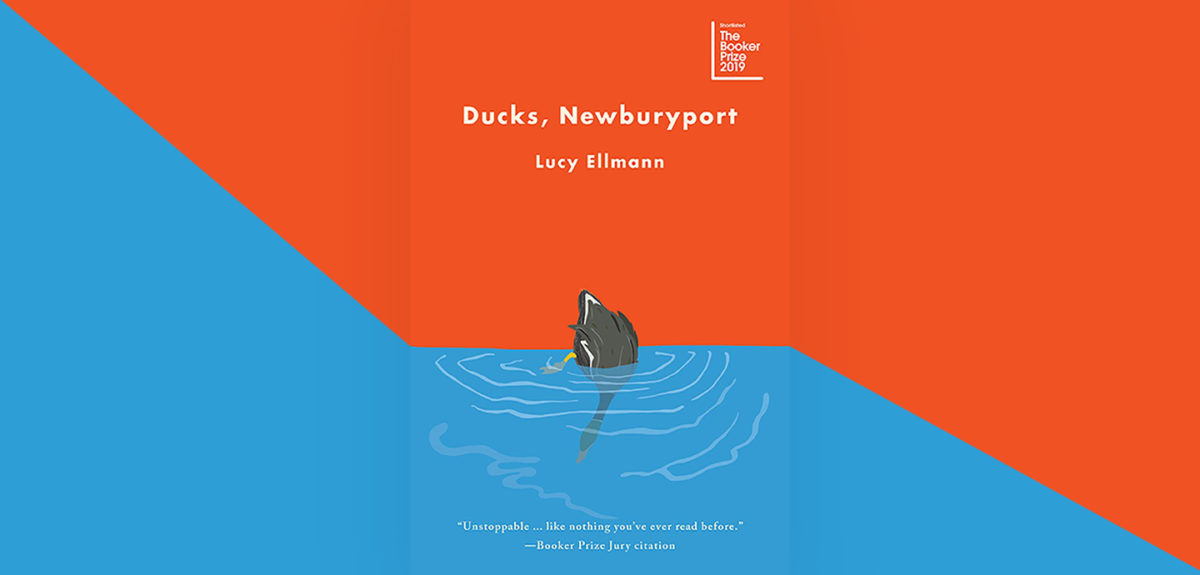
As we approach the end of the year (as well as the end of the decade!), I feel morally obligated to offer a shoutout to Lucy Ellmann’s Ducks, Newburyport — an extraordinary 1,000 page novel composed of a single sentence (broken up by short passages of a lioness wandering in the wild), all told entirely from the perspective of a shy housewife in Ohio with four kids. The woman in question — who is delightfully charming, subtly thoughtful, often very funny, and struggling to make ends meet and deal with troubled family members just like the rest of us — spends much of her time baking pies and thinking about old movies and climate change and Henry Rathbone’s mental decline and, well, damn near everything! She is both real enough to acknowledge her great love for her husband Leo yet eccentric enough to tell us about a spitball with the words I ❤ YOU that was lodged in her ear for years. Ellmann somehow manages to encapsulate a broad swath of emotions and concern for the American clime without ever straying from the inherent positivism of her narrator. This book is such an incredible achievement that it isn’t just my favorite work of fiction published in the last year. It may be the best contemporary novel I have read in the last three years! The book is so nimble in the way it conveys one woman’s consciousness, but it does this without the central stylistic device becoming a gimmick. Not only did this truly great novel completely capture my attention and imagination, but it did one thing that books of this size rarely do: it slowed me down as a reader. I found the unnamed woman taking on the role of an old friend and, not more than a hundred pages in, I began timing my reading jags to match a coffee chat or a drinks session. I really didn’t want the book to end. And yet it had to.

To offer readers some additional incentive to follow the many rabbit holes of knowledge contained within this mighty book, I’ve decided to assemble a concordance of all the lyrics within the book that are italicized within the ♫ symbols. As someone who has always been a somewhat quiet music buff, the book’s fixation on musicals, old folk songs, and nursery rhymes caused me to chatter my teeth like Roger Rabbit and jump out from my hiding place, often breaking into song. In fact, this was the rare book that inspired me to learn “Follow the Drinking Gourd” on my guitar (a clip of which is included among the many YouTube clips below).

These days, I don’t often take on the public role of hardcore advocate. I’m very busy editing my audio drama and I’m mostly retired from my previous life of literary journalism. But this novel is the recherche exception in which I felt compelled to return and sing my praises from the rafters. (In fact, this book often caused me to burst into song in public places.) Books that make you this passionate — much like people you fall greatly in love with — don’t come around all that often over the course of a lifetime. Seriously, if you haven’t picked this book up, I urge you in the strongest possible terms to visit your local independent bookstore, drop down the cash, and read this as soon as you can! I’ve purchased three copies of this book so far: one for me, two for friends. And I have a feeling that I will probably buy at least two more copies before the year is up.

For the purposes of this concordance, the page numbers are contained in parentheses. I took these references from the Biblioasis edition.

“When the cat died we had catnip teas” (2)

“Your feet’s too big” (3)

“Figaro, Figaro, Figaro!” (9)
“per carità” (9)
“Figaro, Figaro, Figaro!” (551)

“Drink to me only” (11)
“with thine eyes” (19)
“Drink to me only” (30)
“And I’ll not ask for wine” (30)
“and I’ll not ask for wine” (592)
“Drink to me only wi-ith thine eyes” (706)

“Mad dogs and Englishmen” (11)

“She wheels a wheelbarrow” (20)

“Courage!” (24)
“Whatta they got that I ain’t got? Courage!” (65)
“Whatta they got that I ain’t got? Courage!” (127)
“Courage” (273)
“Courage!” (406)
“Courage!” (444)
“Courage!” (722)
“Courage!” (812)
“Courage!” (954)

“a bushel and a peck” (25)

“sassy as can be” (28)

“Skip to my Lou, my darlin'” (28)
“skip to my Lou” (708)

“And it went right to my head” (30)
“Indicate the way to my abode, I”m fatigued and wish to retire” (30)
(Note: There have been numerous variations on this song since its inception of 1925, but I cannot seem to find the version containing the lyric “Indicate the way to my abode” — as observed here>)

“There’s no business like show business like no business I know” (33)

“I’m no chump, I just bit off a camel’s hump” (40)

“That’s amore” (43)

“On the banks of the Ohio” (46)
“On the banks of the Ohio” (315)
“by the banks of the Ohio” (748)

“count your blessings instead of sheep” (46)
“I’m just wild about animal crackers, animal crackers” (50)
“blessings instead of sheep” (63)
“instead of sheep” (112)
“Bears and tigers haunt me all day” (787)

“London Bridge is falling down” (47)

“love’s old sweet song” (48)

“Soaky soaks you clean” (49)

“The man who broke the bank at Monte Carlo” (62)

“I’ve got a mule, her name is Sal” (75)

“The Stars and Stripes Forever” (80)
“The Stars and Stripes Forever” (613)
“The Stars and Stripes Forever” (818)

“just get me to the church on time” (83)

“I don’t know why she swallowed a fly” (101)
“She swallowed a spider to eat the fly” (259)
“There was an old lady who swallowed a fly” (384)
“There was an old woman who lived in a shoe, She had so many children she didn’t know what to do” (385)
“perhaps she’ll die” (393)

“way down yonder in the paw-paw patch” (105)

“La donna è mobile” (117)

“as high as an elephant’s eye” (127)

“Polly Wolly Doodle all the way” (130)
“Sing Polly Wolly Doodle all the day” (479)
“Polly Wolly Doodle all the day” (729)

“schmaltzy film music” (144) — General, take your pick.

“Born Free” (153)

“Whe-e-e-e-ere is love?” (157)
“Whe-e-e-e-ere is love?” (273)
“Whe-e-e-e-ere is love?” (275)

“the beer that pickled dear old dad” (167)

“We are, we are, we are, we are, we are the engineers” (168)

“four and twenty blackbirds, baked in a pie” (170)

“Beethoven’s Fifth” (171)

“Row, row, row your boat, gently down the stream” (173)

“March of the Penguins” (178)

“Plop Plop, Fizz Fizz” (186)
“Plop, plop, Fizz, Fizz, Oh what a relief it is” (315)
“plop… top… swap” (692)
(So I am unsure about the reference on Page 692. I could not find a version of the Alka-Seltzer song that had “swap” in it.)

“the Appassionata” (188)

“Mele Kalikimaka” (214) (twice on page)
“Mele Kalikimaka” (222)
“the island greetings we send to you from the land where the palm trees sway” (223)
“Mele Kalikimaka” (223)
“Mele Kalikimaka” (224)
“land where the palm trees sway” (226)
“Mele Kalikimaka” (229)
“Mele Kalikimaka is Hawaii’s way” (231)

“Your feet’s too big” (220)

“when a man’s an empty kettle” (225)

“I am little Buttercup, sweet little Buttercup” (231)
“Poor Little Buttercup, Sweet Little Buttercup I, Dear Little Buttercup” (342)

“Jimmy crack corn, I don’t care” (246)

“John Brown’s body lies a-mouldering in the grave” (255) (three times)
“His pet lambs will meet him on the way” (255)

“If you’re worried and you can’t sleep” (263)

“Glo-o-o-oria eggshell-sis deo” (273)

“Whe-e-e-e-ere is it?” (273)
So this one is a stumper. Because there are so many songs out there with “Where is it?” in the lyrics. But I’m going with Yentl.

“Tiptoe through the tulips” (286)
“Tiptoe through the tulips” (374)
“Tiptoe through the tulips” (434)

“Just rope ‘n’ throw ‘n’ brand ’em” (296)

“where the buffalo roam” (296)

“dollars for donuts” (296)
“dollars to donuts” (437)
“dollars to donuts” (438)
“dollars to donuts” (439)
“dollars to donuts” (440)
“dollars to donuts” (485)

“I’m a little teapot, short and stout” (300)
“I’m a little teapot” (796)

“Cut-cut-cut-cudacket, Said the little hen” (300)
I have no idea what this song is, but the phrase “Cut-cut-cut Cudaucket” is referenced in Phyllis Reynolds Naylor’s The Great Chicken Debacle:

“We are poor little lambs that have lost our way, baa, baa, baa!” (306)
“We are poor little lambs” (987)

“they call the Rising Sun” (308)

“So beware, Be-ee-ee-ee-ware…Drink-ing, drinking-ing, dri-i-i-i-i-i-i-inking, D-R-I-N-K-I-N-G” (315)
The closest thing I could find to this was Tom Lehrer’s classic song, “Pollution,” which I think the narrator is paraphrasing, given the novel’s concern for climate change.

“Now the riverbank will make a mighty good road” (316)
“Follow the drinking gourd” (692)
“Now the river ends between two hills” (755)

Also, just for fun, I ended up learning this song on my guitar. Here’s a short clip!

“Trout Quintet” (324)

“Gone with the Wind” (338)
“Gone with the Wind” (348) (two times)
“Gone with the Wind” (461)

“Marietta’s song” (345)
“Einaudi piano piece” (353)
“Lockdown, lockdown, lock the door” (354)

“I’d do anything” (274) (three times)
“Anything you can do I can do better!” (365)
“Anything you can do I can do better” (694)

“Tradition!” (365)
“Tradition!” (929)

“Beethoven quartet” (366)
This could be any number of Beethoven quartets, but I’ll opt for Op. 131.

“There’s nothing to be done” (366)

“Accentuate the positive!” (390)
“Accentuate the positive, Eliminate the negative” (667)
“Don’t mess with Mister In-Between” (667)

“and the walls come a-tumblin’ down” (390)
Since I’m a fan of Elvis’s gospel renditions, I chose Elvis for this famous song.

“Picking on a wishbone from a Frigidaire” (399)

“The Stars and Stripes Forever” (407)
“Stars and Stripes Forever” (799)

“Edelweiss, edelweiss” (432)

“I’m just wild about animal crackers!” (436)

“Stuck a feather in his cap, and called it Macaroni” (476)

“Let it be” (477)

“Secretly they was overjoyed” (491)

“It won’t be long until we’re there with snow, snow, snow” (504)

“hot cross buns, hot cross buns, see how they run” (505)

“London Bridge is falling down” (505)
“falling down, falling down, falling down” (563)

“of course, of course” (533)

“To-whit, to-whoo said the little old owl” (540)

“Turn back, O Man” (540)

“The faucets are dripping and oh, what a pity” (542)

“a bushel and a peck” (557)

“Wonderful, wonderful day” (574)

“Old King Louis” (601)

“Baa, baa, baa” (603)

“We cursed Escanaba and that damned iron ore” (613)

“Moonlight Sonata” (616)

“Liebestraum” (617)

“Rice-a-roni” (632)
“Rice-a-Roni, the San Francisco treat” (700)
“sauteed and somethinged, the flavor can’t be beat” (700)

“No more ifs or ands or buts, oh no” (635)

“The man who broke the bank at Monte Carlo” (693)

“a little femi-nine advice” (726)

“They loved his whistle and his ring number three” (727)

“Lockdown, lockdown, lock the door” (737)

“On top of old Smoky” (768)

“If you say it loud enough you’ll always sound precocious” (771)

“There is nothin’ like a dame” (776)

“My Sal, she’s a spunky gal” (786)

“I’m singin’ in the rain” (787)

“I ain’t had no lovin’ since January, February, June or July” (790)

“Blue Moon” (848)

“Our state fair” (851)
“Our state fair” (973)

“and the thigh bone’s connected to the” (306)
“The thigh bone connected to the hip bone” (855)

“I’m a lonesome polecat” (860)

“the women were sobbin’, sobbin’, sobbin'” (902)

“Nessun dorma” (914)

“You got trouble!” (929)

“No need to understand ’em” (934)
These appear to be the words of the Wren Crew Theme Song in Texas. I could not find a video.

“Who put the pepper in the Vaseline?” (945)

“He played knick knack on my door” (952)
“He played knick knack on my spine” (976)

“We’ll tak’ a cup of kindness yet, yeah, yeah, yeah” (974)

“Vivo!” (987)
Well, given that Vevo is the official source for major artists, I think Lucy Ellmann may aksi be playfully trolling here!

The Hideous Normalization of Harvey Weinstein

It was Wednesday night and Harvey Weinstein, a man who had delighted in hurting and abusing people for years, made his way down the stairs of a Lower East Side bar with two women and two men. There was a VIP table waiting for him, just like the old days, where he would be comfortably shrouded in darkness. The bar was Downtime. The event was Actor’s Hour. Weinstein had been reportedly invited there by Alexandra Laliberte, the organizer of the event. A comic by the name of Kelly Bachman performed in front of the audience. She was a rape survivor. “I didn’t know we had to bring our own mace and rape whistles to Actor’s Hour,” she said on stage. But instead of laughter, which would seem condign to the unfathomable moment, she was booed and told to shut up.

Weinstein was safe. And it became clear as the evening rolled on that Weinstein was, even in his disgraced position, more important than the women. Zoe Stuckless, dumbfounded by his appearance, decided to speak up. “Nobody’s going to say anything? No one’s really going to say anything?” She was thrown out and accused of heckling. A third woman, Amber Rollo, approached Weinstein and one of Weinstein’s goons called her a “cunt.”

My position is that this is a nothing less than a fucking travesty of normalization and that Weinstein clearly had an obscenely unfair advantage, one that is being severely underestimated as people take in the shock of his most recent appearance.

First off, women have the right to be safe, goddammit. And Weinstein’s appearance at Downtime was decidedly harmful, if only because, while he has already lost much, he has not yet faced full repercussions for his behavior. I’ve read Jodi Kantor and Megan Twohey’s She Said and the evidence in that book is meticulously documented. These two incredible journalists really went out of their way to get the allegations right. The book corroborates what an abusive and predatory beast Weinstein has been, as does the reporting of Ronan Farrow. We know that this man has abused and/or ruined the lives of at least 87 women and who knows how many more. Nearly 100 women. Think about that. Nearly 100 women who could have given us more art and joy. Even as a hard liberal who believes very strongly in rehabilitation, this is such a staggering and heartbreaking and extraordinary tally, such an overwhelming set of stifled possibilities, that I truly don’t believe that Weinstein should be allowed to show his face in public for a while, certainly not until he has stood trial (which is presently set for January). But Harvey is now going out in the world more or less as he did before his downfall. And there are no repercussions and certainly no consideration of what this means by the morally bankrupt jackals — including the Downtime management and Alexandra Laliberte — who enabled this ghastly evening.

What angers me so deeply is how, as we see in the clips, the majority of the audience who attended the Actor’s Hour event seemed to support Weinstein, pretending as if he was some endearing old school figure. He sat at a special table. Weinstein, of course, showed no shame or remorse. That should be no surprise. And the details really should alarm us. The goon calling Rollo a “cunt.” The bafflingly clueless public statement issued by the bar on Facebook. Weinstein’s right to a night out mattering more than the three women who bravely spoke out against him.

Strictly from a numbers game, this is obscene privilege. This is male entitlement. This is toxic masculinity writ large. This is the hideous normalization of a huge and uniquely abusive monster. This is, even on the comparatively small stage of a basement bar, a power grab. Weinstein really should not have the right to exert any advantage at this point. But he is protected. By Alexandra Laliberte — the shameful organizer of Actor’s Hour who is believed to have invited him to her events not just once, but twice. By the odious venue managers who prioritized Weinstein above the women and dismissed their justifiable distress as “heckling.” By the hack comedian Andrew B. Silas, who appeared as an act that night and offered a stupid quip about Good Will Hunting and normalized Weinstein. Silas was such a coward, such a witless Quisling, that he held back on lobbing a joke on where to get chloroform. By the very attendees, mostly actors, who probably believed that humoring Harvey might get them somewhere in their careers or who were just too spineless to stand for anything.

And the cycle of normalizing a clearly and unquestionably dangerous sexual predator now begins again — even as Weinstein wears a GPS ankle bracelet monitoring his movement. There is little consideration paid to how such a normalization snowballs and becomes more common and thus more accepted. And that is why I am greatly indignant with anyone who is okay with what happened at Downtime and why I feel that it is necessary to protest in the strongest possible terms against this normalization. Harvey Weinstein is not normal. He is very rich. He didn’t just “make a few mistakes.” He hurt and abused and manipulated women and ruined their lives. He is a very dangerous man buffered by money and the remaining dregs of privilege. He sure as hell shouldn’t be sitting at a VIP table. Lest we forget, if he didn’t put up the $1 million for bail, a sum that most people don’t have, he’d be sitting in a jail cell in an orange jumpsuit awaiting trial. If, for fuck’s sake, you’re actually one of those foppish apologists who wants to “be fair to Harvey,” then you’re going to have to acknowledge that the present situation is already unfairly stacked in his favor.

Thirteen Years in New York

New York sneaks up on you like a black bear trawling outside your tent at sunrise. As the beast paws through food and ravages the site you staged with immaculate care, you realize that this wily indomitable creature has watched you and known you all along. It is an entity that can never be crushed because another will emerge in its place.

I have now lived in New York longer than any other city. Thirteen years and three months. Which beats my previous record of thirteen years in San Francisco. Not only did the time flit by faster than I ever could have anticipated, but I still very much love this great city and continue to discover so many unanticipated contours and scintillating subcultures. The possibilities and the conversations here remain lively and are rarely dull. There are all sorts of marvelous people stubbornly eking out their dreams and, no matter how many difficulties they face — rats, a rickety traffic grid, a preposterously pompous mayor, gentrification, small-time power grabbers, and assorted human parasites — they can’t be easily crushed. New Yorkers are some of the most resilient people on earth. You have to be tough in order to live here. Nearly everyone is only two paychecks away from sleeping on the streets. And you could be felled by any cosmic force at any time. This may account for why so many marriages are particularly fragile and wildly unstable despite the roseate thump of a New York Times wedding announcement etched in showy affluence and why being single here, much like Minneapolis, is often a steady stream of constantly rotating bodies so that everyone can find a quick fix to survive the natural elements. (Oh well. At least you get to hear a lot of interesting life stories just before you make the morning coffee.) A friend visiting from Europe recently asked me why I still felt some subconscious need to prove myself. I replied, “It’s New York, man. If you aren’t regularly leveling up here, you’re doing it wrong.” (In my friend’s defense, it wasn’t entirely New York. But you see my point.)

I’ll always hold a dear place for the San Francisco that I was lucky enough to live in. I was privileged to live there in the last days of the freaks, when you could actually pay $600 each month to rent your own apartment. I love that city with all my heart. But I’ve been back and it ain’t my town anymore. While it has retained its beauty, San Francisco has become an unaffordable monolithic playground for the rich, more so than even Manhattan. It has chewed up and spat out the weirdness that once made it a remarkable metropolis, surrendering to the lavish obscenity of vanilla techbro millionaires without a sense of history or an intuitive respect for everyday people. Still, I suspect now, with some hindsight, that San Francisco may not have been the right place for me. Or maybe it was a city that didn’t push me as much as I needed it to. If San Francisco helped kick me out of suburban complacency and demanded that I start writing and make radio, it was New York that said, “Buddy, you’d better get moving or I will eat you alive.” I probably needed a city to tell me this much earlier in my life, but, hey, better late than never. This city’s intractable edict, which it whispers into the ear of every New Yorker, helped me to climb out of a very dark and seemingly inescapable abyss and make something of myself. It forced me to find and honor my full and true self. It demanded that I take more chances in my life and my art. It aided me in making my audio drama. New York told me that my existence and ambitions, as crazy as these both were, needed to be pursued. It told me that I needed to look out for others and make sure they were living up. It still demands that I do more — for myself and others — and, of course, I’m constantly learning and I’m regularly humbled.

I’m tremendously grateful to know so many fascinating people, to work with so many talented actors, and to continue to have so many goofy and weird adventures when I’m not toiling long hours on various creative endeavors. It’s possible that I would have stumbled upon this life eventually, but cities often provide those vital murmurs that get you where you need to go. And one should never complain about late timing in life. It’s a churlish pastime that often has one absorbed into some nostalgic ambuscade. Besides, there are always cosmic variables outside your control. Nevertheless, thank you, New York. And thank you to all the kind New Yorkers who kept their faith in me and saw something positive in me and called me on my bullshit and busted my chops. Without them or this city, I wouldn’t be here and I wouldn’t be who I am today.

Crime Junkie: How the Most Popular True Crime Podcast Turned to Serial Plagiarism

Ashley Flowers was an Indiana native with big dreams, slick sales savvy, and a fierce determination to be number one. She was in her late twenties. She’d earned a bachelor’s degree at Arizona State University. She’d studied genetics at the University of Norte Dame. But in September 2016, the world wasn’t bending the way she thought it would. Ashley’s biotech background couldn’t land her a steady paycheck. So she worked as a software sales exec and made the best of it. Instead of squinting at genomes, she was poring over revenue reports.

She kept the tech gig because the place was dog-friendly. She could toil while Charlie wagged his tail just next to her. A playful pooch with a big bark. Proudly featured on the company’s Instagram feed. An important part of her life. The first taste of working on her own terms.

She wanted more.

She found some hope in what she had. The Crime Stoppers of Central Indiana, where she volunteered and eventually served on the Board of Directors. An important figure. A respected position. A childhood friend named Brit Prawat who shared the same birthday. A brother named David who knew how to edit or who could, theoretically at least, figure out how to. Important connections. The fond memory of watching “geriatric” mystery shows with her mother. An important formative experience. A weekly morning radio segment on Radio NOW 100.9 called Murder Monday, where she’d get up very early and be at the microphone by 7:30 and join Joe and Alex and talk about murders and missing people and creeps lurking in the night and maybe get a little attention. Important attention.

And she liked that. Both the attention and being on the radio.

But why couldn’t she be bigger? And why couldn’t the segments be longer? And why shouldn’t she make money at this? Ashley figured she could pack away some dough and beat them all her way. By working harder than anyone else. Three hours before work. Late into the night after work. She’d listened to true crime podcasts. All of them. Or so she told everybody. Why couldn’t she do it?

And so she did. The program was Crime Junkie and it had a winning formula. Two friends gossiping over a cold case or a grisly homicide as if they were discussing the right apricot chutney to serve with the duck breasts. But somehow it worked. Brit playing the bewildered pal muttering many wows as Ashley told her the crime story. No ad libbing. All of it tightly scripted. Or as scripted as she could make it. There were only so many hours each day. With David cutting it all together. A family affair. Two childhood friends together on the podcast, even though they were separated by a two and a half hour drive between West Lafayette and South Bend and they only seemed to see each other when they made promotional appearances.

She put up a new thirty minute podcast every Monday. Longer than her radio spots. On her own terms. And it blew up. With cards placed in women’s restrooms. Loads of cards. And marketing. Paid marketing, as Ashley was to tell two Italian dudes who ran a podcast in her hometown. What kind of paid marketing? Well, some have speculated. The numerous five star iTunes reviews — with their repeat use of “love this podcast,” double exclamation marks, and “obsessed” — were fishy, as were the questionable user names, which included such improbable identification choices as “Addyjeannnewcomb1234” and “vgifddssetivdyiogfdgjobvr.” The download stats were wonky. How does a show jump from nine million monthly downloads in March to sixteen million in July? What “paid marketing” cooked these numbers? Again, we can only speculate.

But who really cared? Ashley and Brit were a success. The United Talent Agency came calling. For the right price, you too could blow the entirety of your quarterly budget to have Ashley Flowers fly out and speak to you on one singular but vitally important topic: “A Conversation with Ashley Flowers.” There was a TV deal. A second podcast series. An empire to build. What could go wrong? Ashley and Brit sold out every damn venue on their maiden live show tour. Every show. You can’t argue with results. Multitudinous meetups where the duo had charmed crowds. It is estimated that Crime Junkie now earns somewhere between six figures and seven figures each year. This buys, as the old saying goes, a lot of corn chowder.

There was just one problem. One very serious problem. A math problem. A time management problem. Those twenty-five to thirty hours that Ashley spent each week to write and research the show simply weren’t enough. Ashley had to cut corners. Somewhere. The money was important. The attention was important. The adulation from her fans was important. She squashed any comment that wasn’t a fawning compliment on the Facebook forum like a bug zapper sizzling a pesky insect. Because successful people have to stay successful people. And if they believe in success, then other people will still believe they are successful.

Even when they break the rules.

And so Ashley Flowers decided to become a serial plagiarist. Sometime around the twenty-fifth episode. Continuing to this day. (Crime Junkie has released 95 episodes to date, with a June 24, 2019 episode devoted to Amanda Cope pulled after Flowers got many details wrong. Flowers released a new Episode 87 dedicated to the Sumter County Does on July 1, 2019.) Because it was her show, she had no one to answer to.

Ashley read the words — verbatim sentences or lifted syntax with willowy asides to disguise the outright theft — from Wikipedia, from passionate podcasters who put in unpaid hours doing their own research and who formed their own conclusions, from journalists who spent the day sifting through public records and who toiled for months getting their sources to trust them. Crime journalism is not a field for the timid. But Ashley was not a journalist. Still, the ends justified the means. At least that’s what Ashley kept telling herself.

But then came two vital whistleblowers: (1) The journalist Cathy Frye left a comment on Ashley’s Facebook page on the evening of August 11, 2019, pointing out how her four part series on the 2002 murder of 13-year-old Kacie Woody, “Caught in the Web,” had been severely cannibalized for “entertainment.” Frye noted that she had “spent months” working on the series and that the details that Ashley relied on could only have emerged from her exclusive time-consuming work (as BuzzFeed‘s Stephanie McNeal would report four days later, the project had “sucked a big part of [Frye’s] soul,” with Frye taking months to get Kacie Woody’s father to talk). (To get a full sense of the scale here, this document points out just how thoroughly Frye’s work has been scraped and repurposed without credit.) (2) A cheerful true crime fan by the name of Millicent Tirk who could no longer stand to see the work of her friends stolen and who, on August 13, 2019, called out Crime Junkie on Facebook. The failure to credit hard work and the subsequent outrage whipped up the true crime community, with many unsubscribing from Crime Junkie as articles in Variety and The Week started bubbling up the news feed.

When it finally started to go south for Ashley, when the many shocked listeners discovered more than one hundred instances of plagiarism and who knows how many more (all carefully collected on a Google spreadsheet generated during the course of this investigation and, most glaringly documented on YouTube by Trace Evidence‘s Steven Pacheco), the thefts were appearing nearly every week. But Ashley didn’t care. She would never acknowledge her wrongdoing, a series of transgressions comparable to those that derailed Janet Cooke (forced to return her Pulitzer), Jonah Lehrer, and a magazine that lifted recipes. She deleted episodes that had contained vast swaths of cutting and pasting and reciting, as if the words had emerged wholly from Ashley Flowers herself. Episodes revived from digital extinction with the help of three anonymous listeners — when it became necessary to create a mirror of the entire Crime Junkie archive just in case Ashley decided to delete additional episodes — revealed the plagiarism in glaring detail. When Ashley and Brit released Episode 94 on August 19, 2019, the week after the plagiarism news hit and stunned many, the two did not acknowledge the behavioral pattern that had been exposed the previous week. But there were four bright new lifts from Wikipedia. Ashley and Brit were making money. They had won fame. All Ashley had to do was pluck the work of others and claim it as hers and keep on doing this. Surely nobody would care. And because the numbers hadn’t dipped that much, she believed she could keep this ruse going.

But many previously loyal fans — such as a Reddit user named @spoilersinabox — feel betrayed by Flowers’s failure to acknowledge her wrongdoing. Spoilers, a 27-year-old teacher in the DC area who requested anonymity, became aware of Crime Junkie while awaiting a seven hour flight thanks to an Apple recommendation — a recommendation fueled by the numerous five star reviews — and quickly became a fan. “It was just the tone that Ashley and Brit had as they were talking. There’s something about a soothing voice. I said, ‘I can get behind this.’ It sounded as if they had really researched the crime.” Spoilers wanted to support Flowers in her research. She attended the first live Crime Junkie show in DC. She told her friends and family about it. She then became a Patreon regular, pledging $20 a month, believing that her money was going into “the tools and time to do research.” Spoilers cited a second podcast that initially appeared on the Crime Junkie Patreon page before disappearing without explanation.

When Ashley and Brit issued a statement (pictured right) about the pulled Amanda Cope episode (the original Episode 87), Spoilers respected the thoughtful and “mature response” and was willing to give the two hosts the benefit of the doubt. When I asked Spoilers if she could forgive the two hosts for their plagiarism if they owned up now, she said, “On Thursday and Friday, I might have. At this point, I can’t.” She said that she felt guilt. “My time and my money should have gone to the people who told these stories first.” She remains angered that so many people have not comprehended the full scale of Flowers’s plagiarism. “Kudos to them,” said Spoilers. “They’ve pulled off a really good scam.”

Two other former fans, both of whom requested anonymity because they feared repercussions from the show’s fan base, told me over the phone that they had similar feelings — that they had been initially inclined to extend contrition to Flowers. But like Spoilers, they felt that Flowers’s silence spoke for itself. The moment had sadly passed.

As of this writing, Flowers and Prawat are gearing up to begin a second tour — this time, involving seventeen live shows, all reportedly based on the murder of six-year-old Isabel Celis, with ten of the shows presently sold out. This tour represents a sizable haul for the Crime Junkie crew, but fans who purchased tickets before the plagiarism controversy and who feel uncomfortable about supporting a program that steals content verbatim may not realize that there is no refund or exchange policy for these shows. A representative from the Parker Playhouse in Fort Lauderdale, Florida informed me that the January 17, 2020 show was still on. NO REFUNDS OR EXCHANGES. Indianapolis. Show on. NO REFUNDS OR EXCHANGES. Orlando. Show on. NO REFUNDS OR EXCHANGES. Atlanta. Show on. But you can only refund your ticket if you purchased it at the box office. And most people didn’t. NO REFUNDS if you purchased it online. Austin. Show on. No refunds. “The only thing we can do is give the tickets to someone else.” The average seating capacity for these venues is around 800. The ticket prices range from a $31.50 balcony ticket at San Diego’s Balboa Theatre to a VIP Meet & Greet package at $103 at the Chicago Athenaeum Main Stage. If we assume that the average ticket price is $50 and the average seating capacity, this adds up to $680,000 if the shows all sell out. If Flowers and Prawat take home 25% of this, then that’s $170,000. More corn chowder to buy.

Because Crime Junkie has continued to plagiarize in its most recent episode, one must naturally ask whether it will continue to profit greatly from the hard work of others. I looked into the sources of revenue that keeps the show going. I put in calls to AdSense, which provides ads for Crime Junkie, asking what their position was on financing sponsoring content that had been lifted verbatim elsewhere. The firm declined to comment. Presumably, Crime Junkie will hold onto many of the estimated 27,540 fans who support their show (the exact number has been hidden on Patreon) — with varying tier donations of $5 to $20 each month. (At $5/month, this works out to $137,700 per month or $1.6 million each year.) While some have publicly announced that they would no longer be supporting the show on Patreon, Reddit users noticed on Monday that Ashley and Brit may have recently changed the tier rewards without informing their listenership. (Attempts to confirm this through Web Archive proved inconclusive.)

There’s also the question of whether a podcast that cribs content from other people is a legitimate journalistic outlet. Should Crime Junkie be granted exclusive access to vital police records, as is now the case with the duo’s planned second podcast? Flowers’s influence and coziness with local law enforcement led Chris Davis, producer of the 3C Podcast, to be barred from examining records pertaining to the November 17, 1978 Burger Chef murders — an unsolved Indiana case for which he has produced fifteen episodes. Davis told me that Sheriff Bill Dalton of the Indiana State Police declined both his unofficial and official requests to look at the files. (Dalton, who was in the middle of an investigation, was unavailable for comment. But I did speak with someone at the ISP who had worked closely with Dalton and who had been there for thirty years. This person informed me, “We have a tight lane around here. So we don’t allow a lot of people here.” This makes Flowers’s access even more uncommon and more surprising.) The official request took five months to elicit a response. In both cases, Davis was denied because of an investigatory records exemption. But the prohibition also arose because Flowers had cut an exclusive access deal, where the police would have complete control of the finished product. This was a decidedly sketchy journalistic arrangement.

“She was granted access and I have no qualms about her getting access,” said Davis. “At the end of the day, I want this case solved. We started our journey the same way.”

When I asked Davis if he would consider collaborating with Flowers or asking her if he could take a look at the records for his own investigation, he said no. He pointed to an incident in which Flowers posted a picture on social media of the old Burger Chef building with the tagline, “Guess what case I’m working on?” He replied with friendly humor, “Oh, I think I know.” Davis was swiftly blocked by Flowers on all social media immediately after.

While working on this story, I made every effort to contact Ashley Flowers. I really wanted to listen to her and understand why someone would do all this. Because one cannot deny the allure of hearing about a murder in a soothing voice. It’s one of the reasons why I love the podcast Criminal so much. As I listened to multiple Crime Junkie episodes, examining them for plagiarism, I felt increasingly sad and sorry for Ashley Flowers. Because she really was onto something with her format. Take away the speculation about automated iTunes reviews or even the profit and power motives or the errors she has sometimes made and the sonic aesthetic of two besties getting together to discuss crime possesses tremendous appeal. But here’s the thing: Flowers is even more fun and charming when she speaks in her own voice and expresses her own thoughts, as this interview with Espresso clearly reveals. Anyone who reaches people like this deserves great success, but it must be a success predicated upon her own work and her own voice.

Flowers did not return my calls, my emails, and my direct messages through social media. She’s still saying silent. A veritable content outlaw hiding in plain sight. I’ve learned that The New York Times is also working on a Crime Junkie plagiarism story. Will she say no to them?

But that’s not even the important question about Ashley’s serial plagiarism. The real question, the question often put forth to any addict before she admits that she has a problem, is whether Ashley can even stop.

[8/23/2019 UPDATE: The New York Times has reported on the Crime Junkie plagiarism. The only new information here is (a) some quotes from those were plagiarized, (b) Flowers did not responded to the Times (except through the same statement issued to Variety) and (c) Pacheco approached Flowers with a lawyer, sending along transcripts with time marks for seven episodes. As a result of Pacheco’s efforts, Crime Junkie pulled a few episodes.]