The Hulk Hogan verdict may set back the future of journalism. Nick Denton’s recklessness represents a call for journalists to do better and win back the trust of the American public.
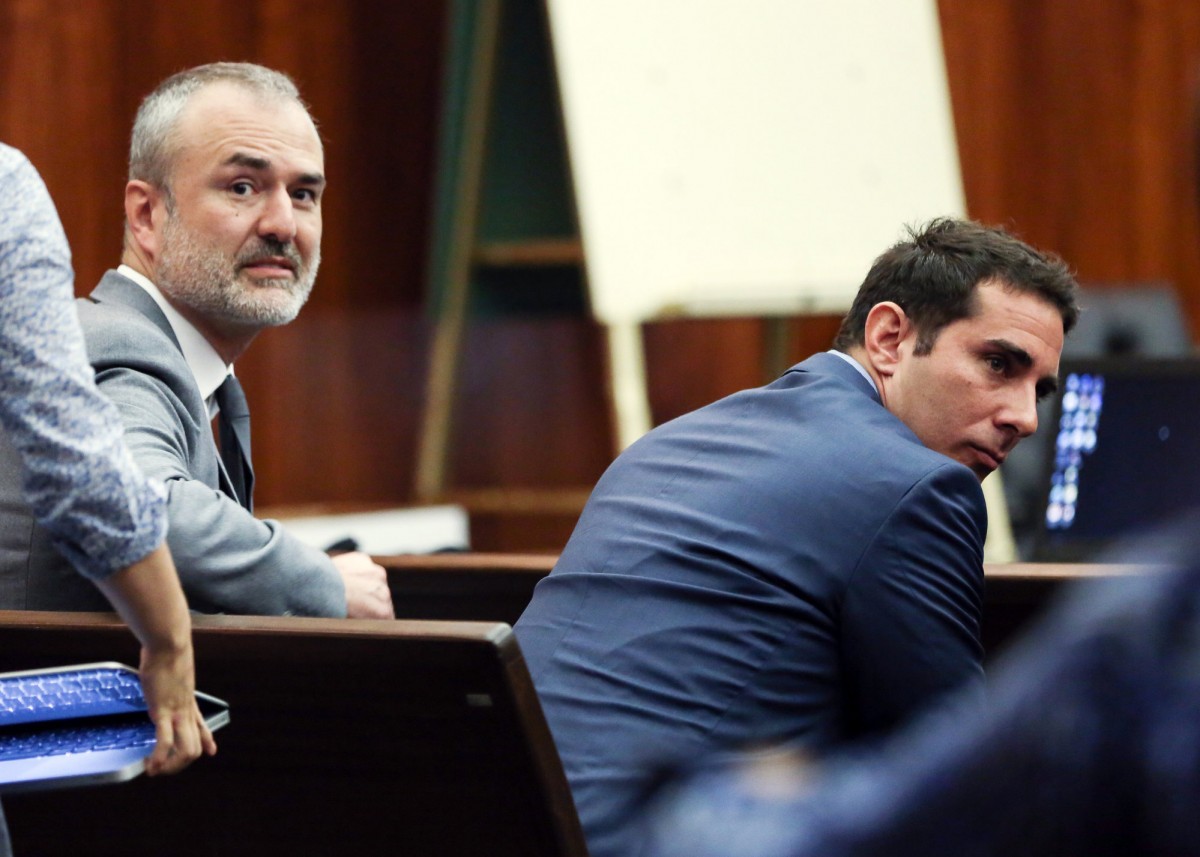
On Friday, six ordinary people in Florida, none terribly acquainted with the tabloid sausage factory when they were selected to serve as jurors for an invasion of privacy trial, deliberated for six hours on a case involving a former wrestler. They decided that Gawker, in posting a two minute excerpt of a Hulk Hogan sex tape, had crossed the line. The stunning $115 million verdict leveled against Gawker, with punitive damages set to be determined next week, is likely to deracinate what remains of the Gawker Empire. As of Saturday morning, Gawker had not published any new posts.
This verdict’s implications are significant for anyone interested in the First Amendment. It could mean that journalists will begin to pull their punches on stories that are far more important than a famous figure’s pelvic thrusting. And in an age in which unconventional reporting has emerged with squirming innovation from the rocky shadow of traditional media’s crumbling calcite hold, this may very well hinder the often necessary work needed to expose divisive yet pivotal duplicities. In a post-Hogan media landscape, would Mitt Romney’s infamous 2012 video about the “47 percent” constitute “invasion of privacy”? Will Donald Trump’s literal war on the press, barring and attacking and intimidating reporters he “disagrees” with, be reinforced by a wave of perceived invasion buttressed by court decisions in the near future?
More lawsuits are sure to follow in Hulk Hogan’s wake. (Indeed, Gawker is set to battle another $10 million lawsuit from Ashley Terrill, who alleges that Gawker published “a false and highly defamatory hit-piece” that harmed her reputation. This additional suit was filed by Hulk Hogan’s attorney.) But if more juries conclude that journalists who indiscriminately post private information about public figures are committing serious breaches of their public duties, breaches that cannot be justified as “journalism,” then this will seriously impair the Fourth Estate’s vital role in our culture, which is to serve as a legitimate watchdog against corruption, hypocrisy, and wrongdoing through a commitment to fairness and airtight facts.
If press freedom erodes in the next few years, Gawker founder Nick Denton must be blamed for this. He operated with a level of irresponsibility and carelessness, willfully hiring a spate of reckless editors who ran his website as if they were grand tyrants of limitless hubris — whether it be former editor John Cook defiantly refusing to remove the Hulk Hogan post, former Gawker editor A.J. Daulerio stating vulgarly and foolishly in a deposition that a sex tape would not be newsworthy if it included a child under the age of four, or the Jordan Belfort-like shenanigans of former Gawker editors Tommy Craggs and Max Read running up a $546 bill at a fancy restaurant before resigning in protest over a story that went out of its way to ruin a man’s life over sexual allegations that were never substantiated.
Denton, in perpetuating an office culture that was willfully adolescent and that opted for tawdriness in lieu of truth and decency, has not only set back his admirable ambitions to make Internet publishing something fresh and original, as smartly observed by USA Today‘s Michael Wolff, but he has destroyed the integrity of journalism: the impression promulgated not so long ago by the rightly celebrated film Spotlight that engrossing detail and rigorous pursuit of a scandal leads to essential conversations. Six regular people, representing a not insignificant perspective that many New York media mavens ignore at their peril, could not be persuaded that what Denton and Gawker was doing was right. And it is now up to journalists to win back the trust of America, to undo Denton’s considerable damage to an essential American freedom by refusing to skate on thin ice without grace, even as they perform jumps and spirals that we’ve never seen before.
A recent radio interview with Chrissie Hynde reveals NPR’s colossal limitations, the covert sexism of Morning Edition host David Greene, and gender double standards. Why aren’t shocked about Hynde’s treatment rather than the interview’s roughness?
Twitter isn’t always the best yardstick when it comes to pinpointing the vox populi’s whims and anxieties, but given the way that the digital horde reacted to Chrissie Hynde’s interview on NPR’s Morning Edition, you’d think that it had just survived the Battle of Stalingrad or an unscheduled viewing of The Human Centipede 3:
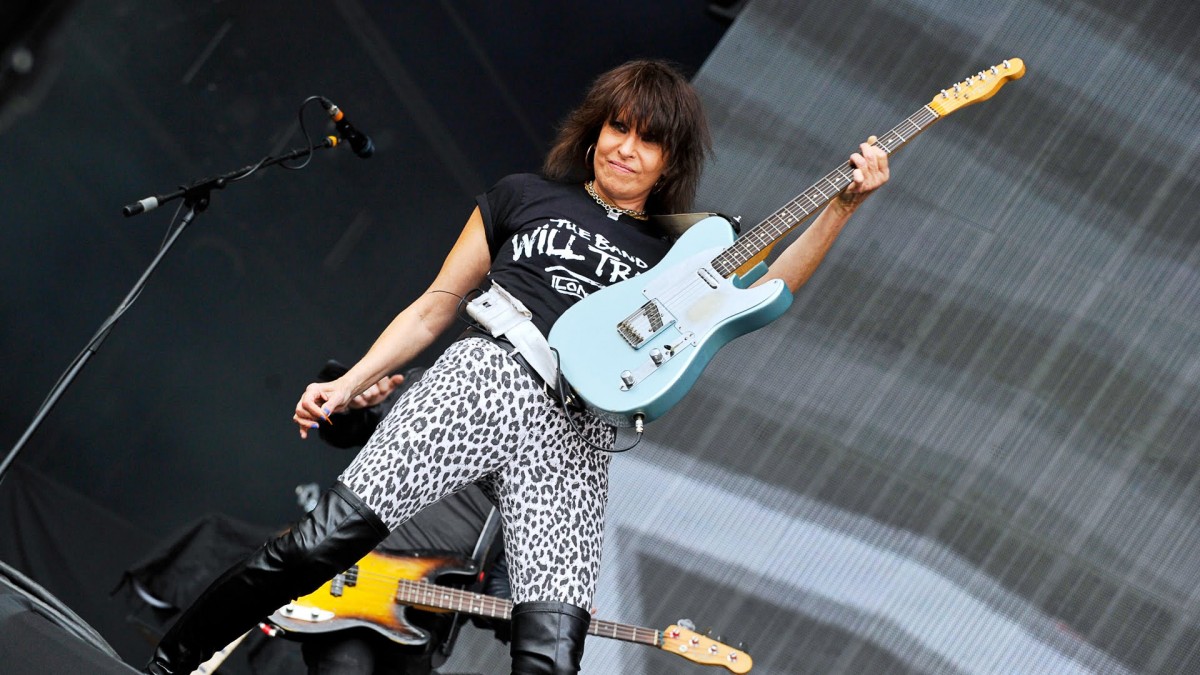
“Not for the faint of heart,” “still recovering,” “gamely soldiering.” These are not the phrases one typically associates with a junket interview. But the Pretenders founder adroitly decided that she didn’t enjoy being subjected to David Greene’s insipid questions. Greene, a man apparently terrified of a woman with an independent mind and a fuddy fuss who muttered “bleeping’ instead of “fucking” when quoting a passage from Hynde’s new memoir, Reckless: My Life as a Pretender, made several mistakes. Instead of asking Hynde for the story behind her 1979 rock anthem “Brass in Pocket,” Greene wrongly assumed that Hynde would subscribe to his reductionist thesis that this was “a song that empowers women”:
Hynde: You know, it’s just a three minute rock song. It’s…I don’t think it’s as loaded as that.
As someone who has interviewed close to a thousand authors, filmmakers, and other celebrated minds and who fully cops to an exuberance involving overly analytical takes on an artist’s work, I’ve seen plenty of moments like this unfold before me. What you do in a situation like this is backtrack from your prerigged thesis and let the subject talk. The whole purpose of a conversation is to listen very carefully to what someone else is saying and ask questions that specifically follow up on the other person’s remarks. There was an opportunity here to get Hynde talking about how her music had been appropriated by ideological groups or whether a three minute rock song could ever have any real cultural stakes. But Greene, with an almost total lack of social awareness, could not read Hynde’s clear cues and sustained his foppish interlocutory thrust to the bitter end:
Greene: People certainly thought in its day [sic] as being very different and really emboldening women. Hynde: Okay, well I’m not here to embolden anyone.
From here, the NPR producer cuts away in aloof and hilarious fashion to a lengthy clip of “Brass in Pocket” to pad out time, leaving the listener wondering what embarrassing (and possibly more interesting) bits were left on the cutting room floor. Perhaps there were many minutes in which David Greene, a man who seems incapable of improvisation, was left with his tongue capsized in a Gordian knot. Greene tells us that “Chrissie Hynde is a really tough interview,” even though Hynde sounded perfectly relaxed with Marc Maron last December and, most recently, with Tig Notaro.
Nice try, David. The fault here is clearly with the stiff interviewer and NPR’s despicably antiseptic culture, which is all about soothing the listener with pat platitudes easily forgotten in a morning commute haze. It’s telling that Greene speaks of Hynde “sharing her story,” as if the rock and roller’s rough life was akin to a child showing off a hastily composed watercolor painting at nursery school. Greene condescends to Hynde by calling this 64-year-old music veteran “a Midwestern girl” and trying to use her Ohio roots to presumably appeal to NPR’s easily shocked demographic. If Greene had truly been interested in Hynde, he might have described her in less innocuous and truer terms. Moreover, Greene can’t even deign to praise the Pretenders. Instead, he gushes over the Rolling Stones rather than the band that Hynde has been a member of:
Greene: And the Rolling Stones. They came — I mean, I, I loved reading about how you sort of took some of the staging off to take it with you, almost as a souvenir. Hynde: Yeah. Do you want me to repeat the story? Greene: I’d love you to. Hynde: Is that the question? Greene: No. I’d love you to. Hynde: Can I just not repeat the stories that I’ve already said in the book? Can we talk about things outside of that? Is that possible? I don’t want to do a book reading, as it were.
Let’s unpack why this is terribly insulting to Hynde and why Hynde, much as any woman should, might react as hostilely as she did. Here is someone who has been creating music for many decades. She’s not a neophyte. She’s an accomplished rock performer. Instead of talking to her about The Pretenders, Greene has opted to paint Hynde as some Rolling Stones groupie plucking staging as souvenirs. Hynde has given Greene a big clue, pointing out that she’s not some automatic doll who performs book readings.
Compare this with Greene’s fawning treatment of Stones guitarist Keith Richards back in September. Not only was Richards permitted the courtesy to smoke inside the studio, but Greene gushed about Richards’s considerable accomplishments (children’s book author, raconteur, solo artist) in a manner so obsequious that you’d think he was the Pope. It would never occur to a sycophantic sexist like Greene to ask Richards what he thought of the Pretenders, much less paint him as some febrile fanboy.
Instead of recognizing his clear mistake, Greene digs in the dirk further, demanding that Hynde, presumably because she is a woman, express her “emotions” about an experience that is nowhere nearly as germane as her rugged life:
Greene: No, I would just like to hear some of the emotions of why you love the Rolling Stones so much. I mean, you were — you were taking some of the notes that people had written for Mick Jagger and Keith Richards and taking them home with you. I mean, what was driving you? Hynde: Well, well, I just loved the bands. That’s what drove me all my life is that I just loved the bands. Back in those days, nobody thought I wanted to grow up and be a rock star. Nobody thought about fame. Nobody thought about making a lot of money. I just liked music and I really liked rock guitar. I didn’t think I was going to be a rock guitar player because I was a girl. I would have been too shy to play with, you know, guys.
It’s bad enough that we have to suffer though NPR’s crass abridgements of complex emotion into superficial seven minute segments, but it’s hard for any progressive-minded listener to hear a talented and interesting woman, one who emerged from an uncertain blue-collar existence to a Rock and Roll Hall of Famer, reduced to something akin to a toy.
If Hynde were a man, this interview wouldn’t be a controversy. One would think that the Twitter crowd, so eager to denounce such demoralizing portraits of women, would have glommed onto an autonomous voice being diminished by an incurious and inattentive fool. But instead the shock is with an interview departing from mealy-mouthed form. The time has come for more women to stop letting “nice guys” like Greene diminish their accomplishments and for all radio producers to be committed to organic conversations. If NPR insists on being a forum for gutless toadies and the celebrities who tolerate them, then perhaps the cure involves opening up the floodgates to every voice on the spectrum with thought and compassion. Of course, podcasting has been doing all this quite wonderfully for years. So if Greene cannot adjust his timid mien to the 21st century, then perhaps his stature should perish.
Blinkered Pollyanna types like Ruth Graham believe that banned books are no longer a concern, but she has ignored many vital truths that demand that we rethink the way we relate to the written word.
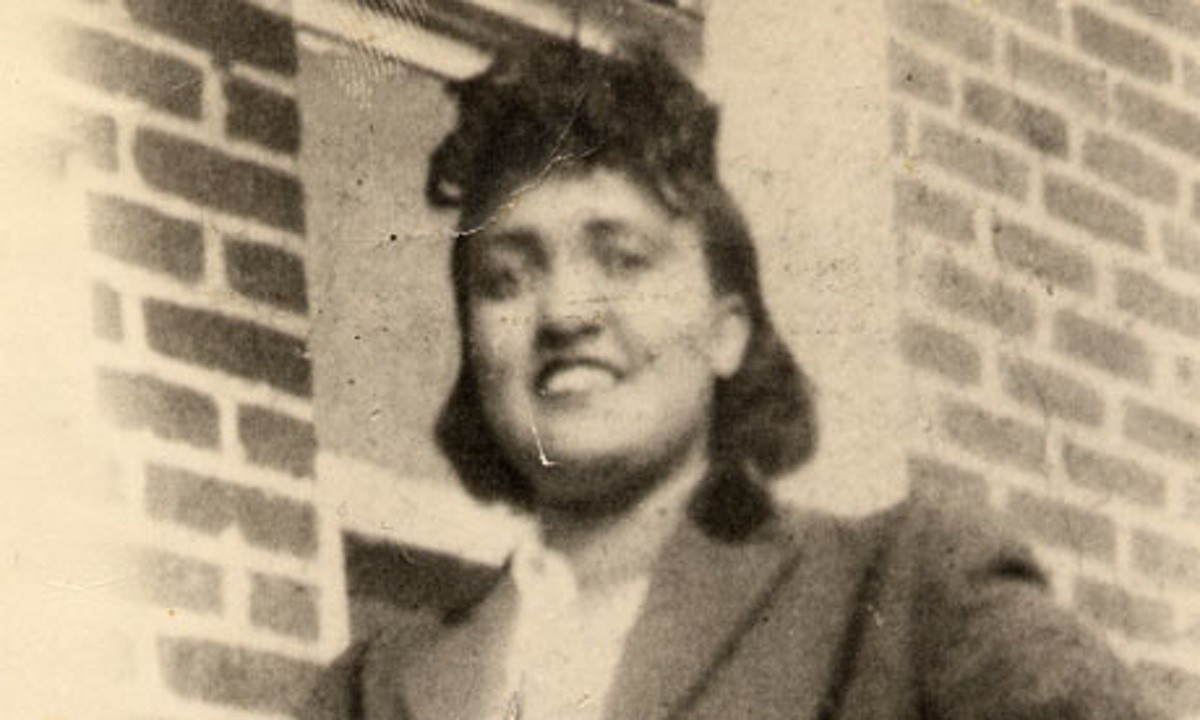
Graham cites a recent uproar over Rebecca Skloot’s The Immortal Life of Henrietta Lacks in Knoxville, Tennessee, whereby a mother objected to “pornographic” descriptions of infidelity and a lump on Lacks’s cervix being taught in a public school. Graham is right to observe that it was more or less a slam dunk to find the right side on this particular debate, but where she goes astray, undoubtedly aided and abetted by the usual gang of reductionist editorial idiots, is her insane suggestion that Banned Books Week somehow used the occasion to reveal itself as a sinister venue specializing in fearmongering. But Graham doesn’t cite a single word that the Banned Books Week group actually wrote. Blogger Maggie Jacoby compared the mother’s recriminations to “a modern day kind of book burning,” but how is this fearmongering? What Jacoby was rightfully suggesting is that the old forms of suppressing books — fearsome censorship laws, burning books, removing them from school reading lists — have been replaced by an equally diabolical practice whereby one imperious individual or group now decides, irrespective of scholarly or literary merit, that a book or a viewpoint should be expunged from the community.
Censorship battles aren’t limited to blinkered crusaders in Tennessee. “Prudish moms” can be found in such sanctimonious types as Francine Prose and Peter Carey, who cannot seem to comprehend a universe in which offensive and disagreeable ideas are meant to be argued against rather than silenced. The literary world has increasingly failed to understand that an awful idea — and Charlie Hedbo’s juvenile and despicably racist caricatures were indeed meretricious, to say the least — needs to be articulated rather than silenced and that accolades such as the James G. Goodale Freedom of Expression Courage Award are vital reminders of our duty to ensure that anyone has the right to say something offensive or provocative, especially if it runs counter to our perspective, without fear of death or censorship.
Books may not have not faced as many overt censorship challenges in recent years, but the need to squelch undesirable or offensive viewpoints is now being practiced in covert and personal ways that are just as unconscionable. The courageous author Alissa Nutting not only faced a relentless wave of indignant emails and threats after her novel, Tampa, was published, but was also subjected to a histrionic op-ed piece in which a mother believed Nutting’s book was so dangerous that she kept it locked away from her daughter. If the morally scolding can’t get reading material banned from classrooms, then they have proven quite effective in removing “offensive” material from the stores, such as the three men’s magazines ejected by Walmart in 2003 because of efforts made by querulous Christians or, most recently, Rhonda Rousey’s memoir pulled because it was “too violent.”
The public square, whether we like it or not, has been replaced by the venal clamor of a marketplace selling comforting reads and the rising din of outrage culture publicly shaming an author like Erica Jong for ignorant remarks. And while some critics have smartly observed that one can critique an author without excluding her from the conversation, perhaps working to change her mind through a dialogue, others valiantly celebrate an author’s shortcomings as “far more important than any one author’s resistance to a changing zeitgeist.”
In her insistence that “books win” in this new age of condemnation, it’s telling that Graham practices the naive first year law school student’s overused argument of clinging to taut definitions of “banned or challenged” even as she overlooks some very obvious developments which demand that these terms be expanded outside of their presently rigid definitions. A fear of “bad language, violence; and, over and over, sexual content” very much applies in the cases I’ve cited above, just as it does when college students increasingly dole out the manipulative dog-ate-my-homework “trigger warning” charge for classic literature because they don’t want to contend with human realities. These plaints are no different in scope from the mother who tried to pull Skloot’s book from a public school and demand that we expand what a “banned book” really means in 2015.
Nobody wins when some easily offended reader expends a great deal of time and energy to guarantee that a book is withdrawn from a vital forum rather than assembling a provocative and possibly unpopular argument against it, especially when the same ninny fails to provide any evidence of having read the book in question. But American culture is increasingly drifting towards an impulsive immaturity where we cannot fathom that a person is more than the sum of a few foolhardy tweets or inopportune soundbytes and we lack the fortitude to speak with our enemies, let alone maintain cordial relationships with friends we disagree with. It is, however, instinctive enough to find other primordial methods to ban books, whether through trigger warnings or thoughtless censorship campaigns, rather than fostering opportunities for spirited and informed debate. Salman Rushdie should not have to suffer “lasting damage” to his friendships because of a disagreement, but American culture is too wrapped up in blocking or banning anything it finds remotely offensive to have adult conversations. And we are cursed with Pollyanna types like Ruth Graham, serving as myopic propagandists, who are just as implicitly prescriptive as the “prudish moms” who avoid uncomfortable truths that require a drastic change in the ways we relate to the written word and other readers.
An investigation into Josh Ostrovsky reveals that the “comedian” has not once offered an original line and that he lied to Katie Couric, one of his highest-profile interviewers, even as he continued to steal the work of others for his financial gain.
“You gotta understand. The Internet is like a giant, weird orgy where like everything gets shared. A lot of people are using stuff that I make. And every time that I make a photo and I put it out there, it gets reblogged on a million sites, and I would never put my name on it. ‘Cause we’re like all in this giant — it’s kind of like we’re all on ecstasy at a giant rave.” — Josh Ostrovsky, after being asked by Katie Couric about his plagiarism
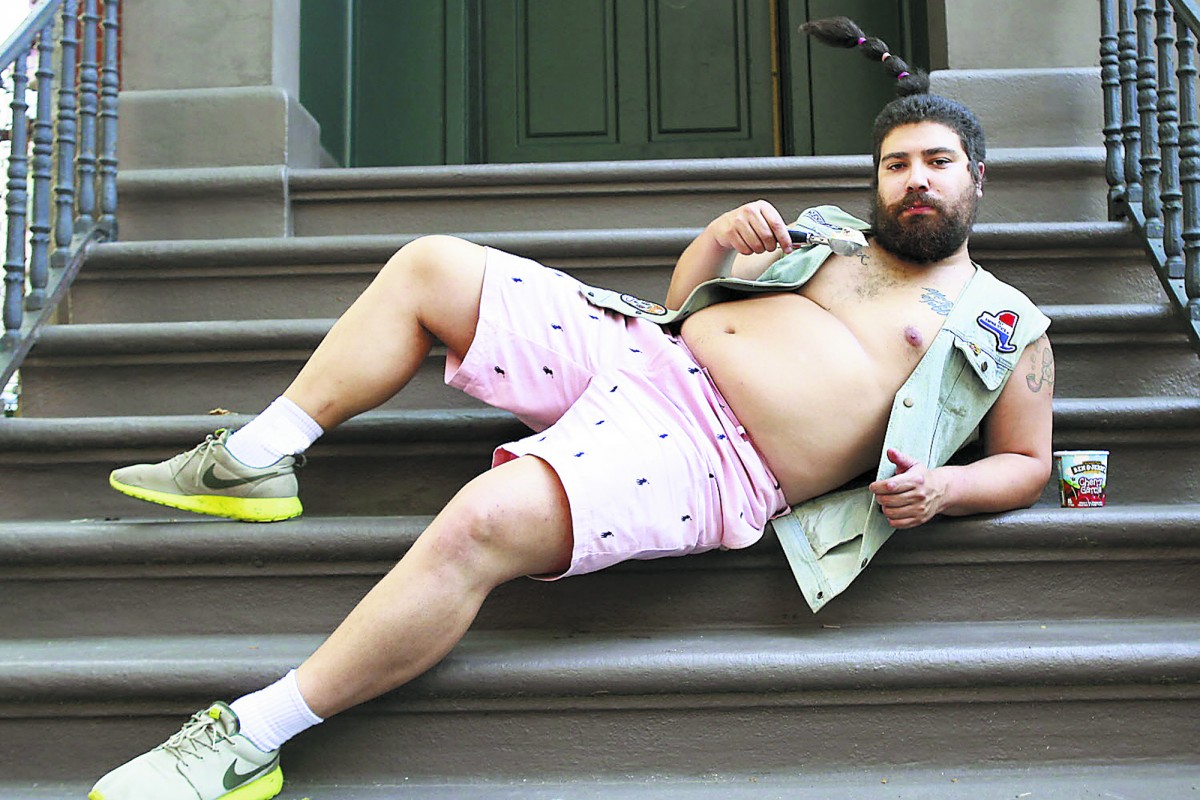
Josh Ostrovsky is an unremarkable man who has built up a remarkable fan base of 5.7 million Instagram users by stealing photos from other sources without attribution under the handle The Fat Jew, claiming the witticisms as his own, and turning these casual and often quite indolent thefts into a lucrative comedy career. His serial plagiarism, which makes Carlos Mencia look like an easily ignored bumbling purse snatcher, has understandably attracted the ire of many comedians, including Patton Oswalt, Kumail Nanjiani, and Michael Ian Black. The ample-gutted Ostrovsky transformed his gutless thieving into a deal with Comedy Central (since cancelled by the comedy network), CAA representation, and even a book deal. Ostrovsky is an unimaginative and talentless man who believed he could get away with this. And why not? The unquestioning press fawned over the Fat Jew at every opportunity, propping this false god up based on his numbers rather than his content. While the tide has turned against Ostrovsky in recent days, the real question that any self-respecting comedy fan needs to ask is whether they can stomach supporting a big fat thief who won’t cut down on his rapacious stealing anytime soon.
After a two day investigation, Reluctant Habits has learned that every single Instagram post that Ostrovosky has ever put up appears to have been stolen from other people. His work, his lies, and his claims were not checked out by ostensible journalists, much less corporations like Burger King hiring this man to participate in commercials and product placement that he was compensated for by as much as $2,500 a pop.
In an interview with Katie Couric earlier this year, Ostrovsky offered some outright whoppers. Ostrovsky, who claimed to be “such a giver,” presented himself as a benign funnyman who said that “it’s just my gift” to find photos and apply captions to them. Tellingly, Ostrovsky declared, “It’s the only thing I can do in this world.”
“A lot of stuff I actually make myself,” said Ostrovsky. “Like sometimes if you see a tweet from like DMX, you know, or some kind of hardcore rapper being like, ‘About to go antiquing upstate,’ like ‘I’m refinishing Dutch furniture,’ like he probably didn’t write that. I Photoshopped that.”
Actually, the sentiment that Ostrovsky ascribed to DMX (assuming he didn’t pluck the image from another source) on April 14, 2015 (“YEAH SEX IS COOL BUT HAVE YOU EVER HAD GARLIC BREAD”) had actually been circulating on the Internet years before this. It started making the rounds on Twitter in November 2013 and appears to have been plucked from a now deleted Tumblr called whoredidthepartygo. This tagline theft is indicative of Ostrovsky’s style: take a sentence that many others have widely tweeted, reapply it in a new context, and hope that nobody notices.
The Couric interview also contained this astonishing prevarication:
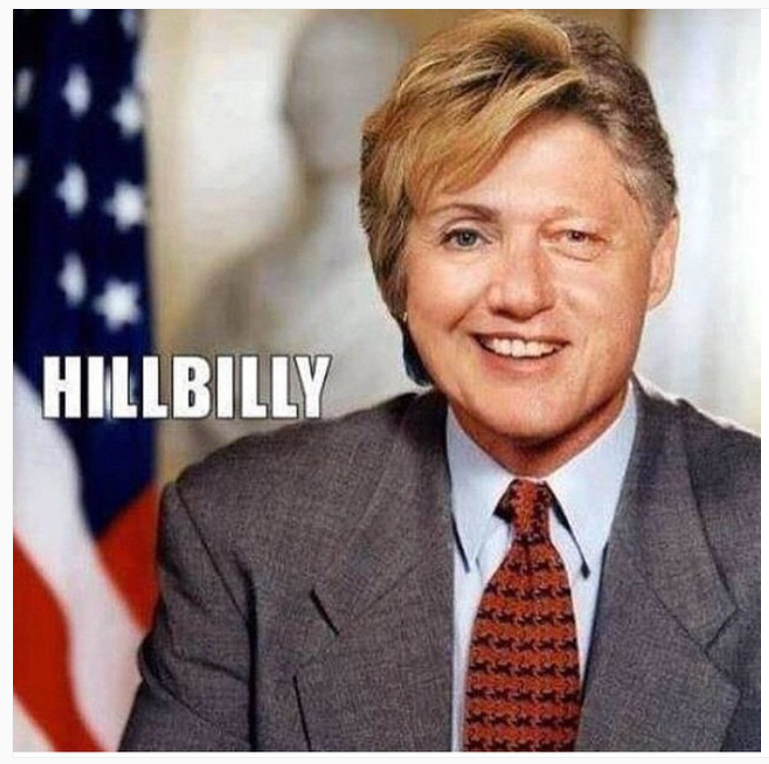
Couric: I like Hillbilly too. You took half-Hillary, half-Bill Clinton.
Ostrovsky: Yup. A friend of mine actually made that and like just really exploded my brain into like a thousand pieces.
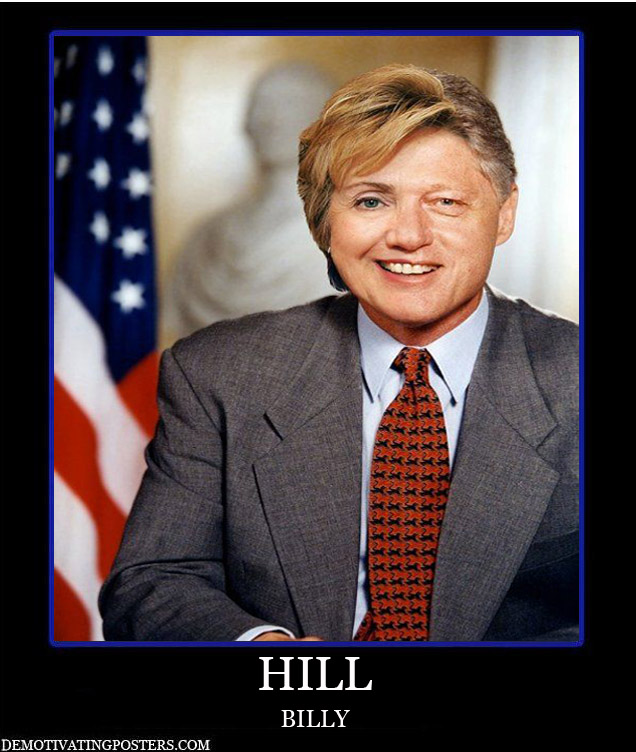
If this is really true, then why did Ostrovsky wait four years to share his “friend”‘s labor? Especially since it had “exploded his brain into like a thousand pieces.” After all, doesn’t a giver like Ostrovsky want to act swiftly upon his “generosity”? The Hillbilly pic was posted to Ostrovsky’s Instagram account on January 7, 2015.
But this image was cropped from another image that was circulating around 2011 — nearly four years before. If Ostrovsky’s “friend” gave the Hillbilly photo to him, then why was it cropped, with the telltale link to demotivatingposters.com (a now defunct link) elided?
* * *
Reluctant Habits has examined Ostrovsky’s ten most recent Instagram posts. Not only are all of his images stolen from other people, but Ostrovsky often did not bother to change the original image he grabbed. In some cases, it appears that Ostrovsky simply took a screenshot from Twitter, often cropping out the identifying details.
For the purposes of this search, I have confined my analysis to any photo that Ostrovsky uploaded with a tagline. As the evidence will soon demonstrate, not only is Ostrovsky incapable of writing an original tag, but he appears to have never written a single original sentence in any of his Instagram captions.
I have included links to Ostrovsky’s Instagrams and the original tweets. But I have also taken screenshots in the event that either Ostrovsky or his originators remove their tweets.
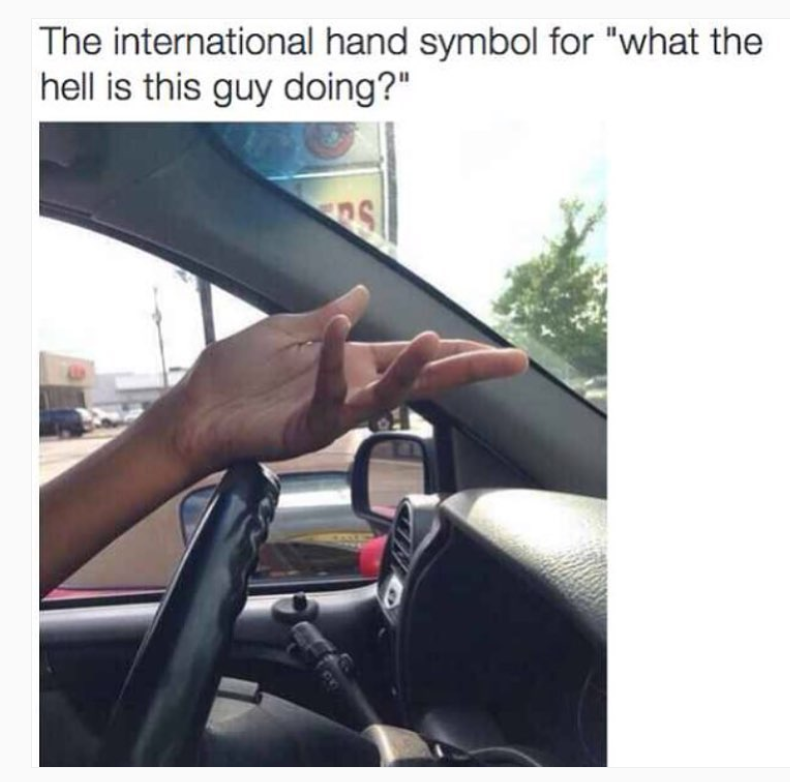
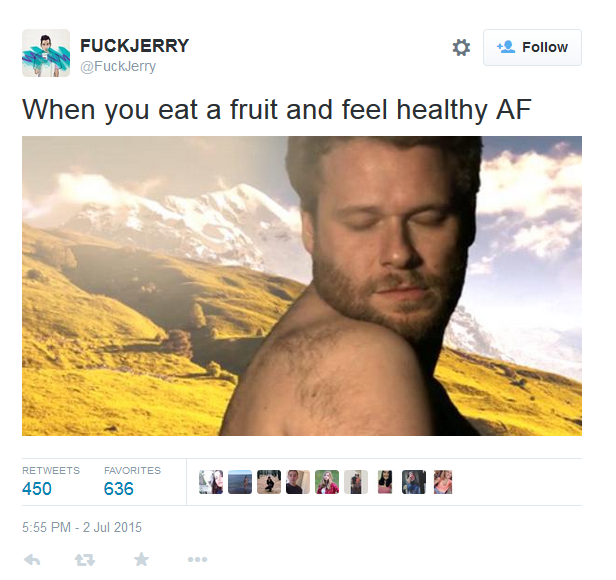
As if to exonerate himself from the theft, Ostrovsky’s Instagram post included a callback to Instagram user @pistolschurman, who posted it onto Instagram that same day. One begins to see Ostovsky’s pattern of behavior: bottom-feed from a bottom-feeder.
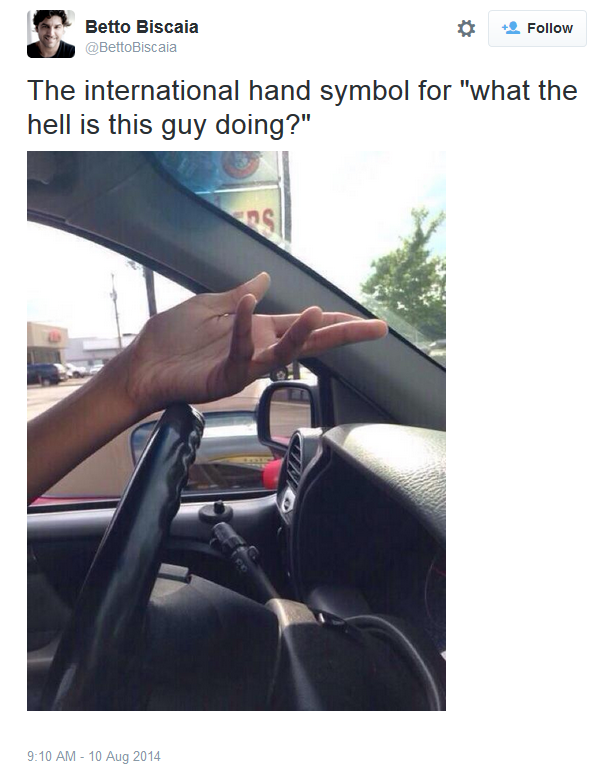
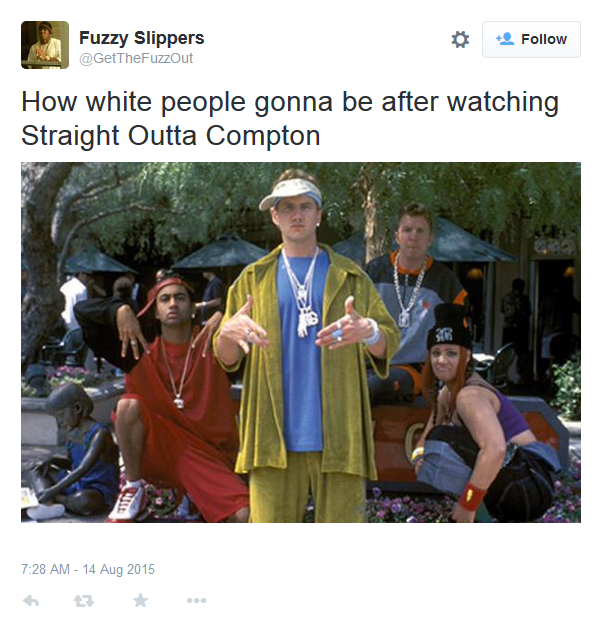
But the image had already been widely distributed on Twitter with the tagline, “The international symbol for ‘what the hell is this guy doing?’,” “The international symbol for ‘what the hell is this douchebag doing?,” and “The international symbol for what the fuck is this nigga doing?'” But have traced its first use on Twitter to Betto Biscaia on August 10, 2014:
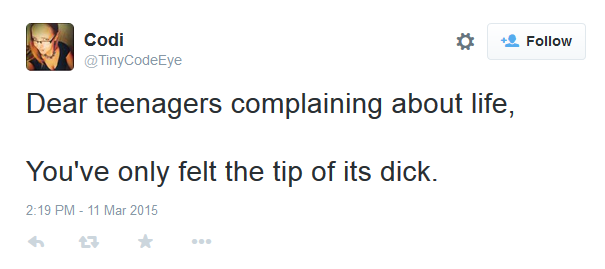
SOURCES OF PLAGIARISM: While it appears that Ostrovsky or one of his minions may have typed the sentiment upon a new image, a Google Image Search shows that this sentence has been widely attached to photo memes. The first use of the joke on Twitter appears to originate from @TinyCodeEye on March 11, 2015.
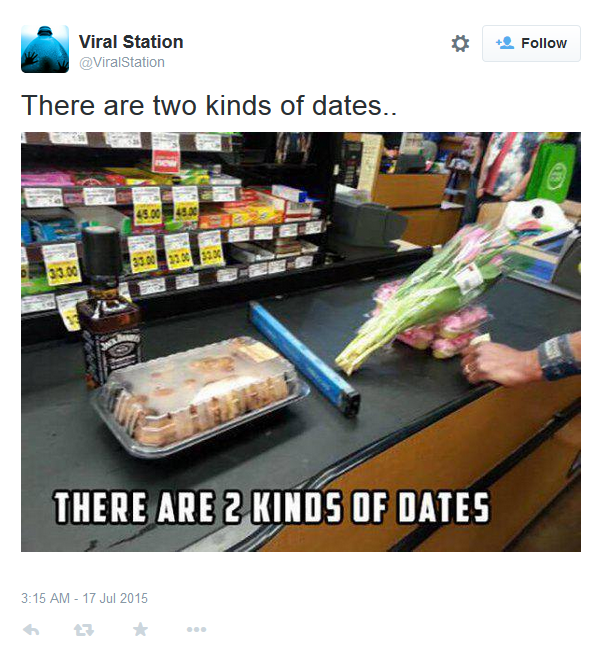
SOURCES OF PLAGIARISM: This has been a long-running tagline/photo combo, but Ostrovsky didn’t even bother to swap the font for this photo. The tagline appears to have been added to the photo for the first time by user @ViralStation on July 17, 2015:
In other words, Ostrovsky was so slothful in his theft that he couldn’t even be bothered to generate a new image.
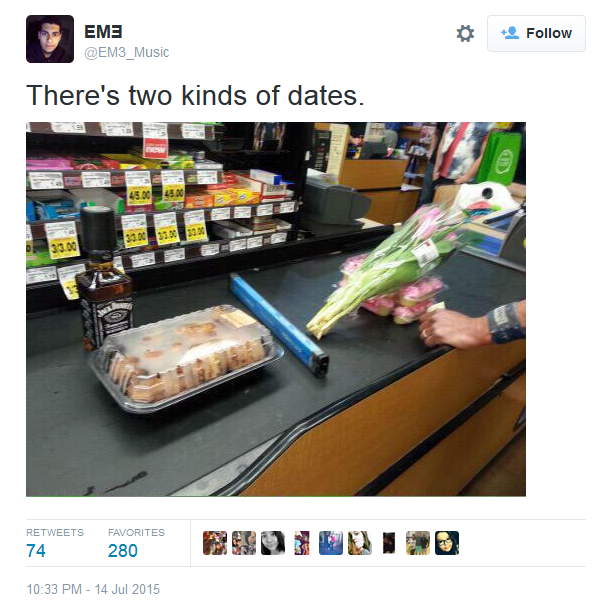
I have reached out to EM3 on Twitter, asking if he was the first person to take this photo. He responded that he did not take the photo, but that he plucked it from eBay. (The latter response may have been facetious.) What EM3 may not know is that his quip was stolen by Ostrovsky and monetized for Ostrovsky’s gain.
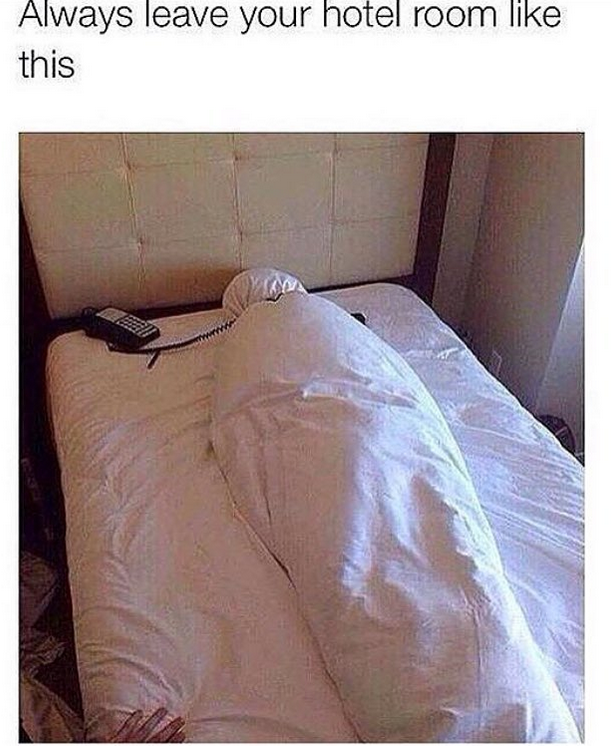
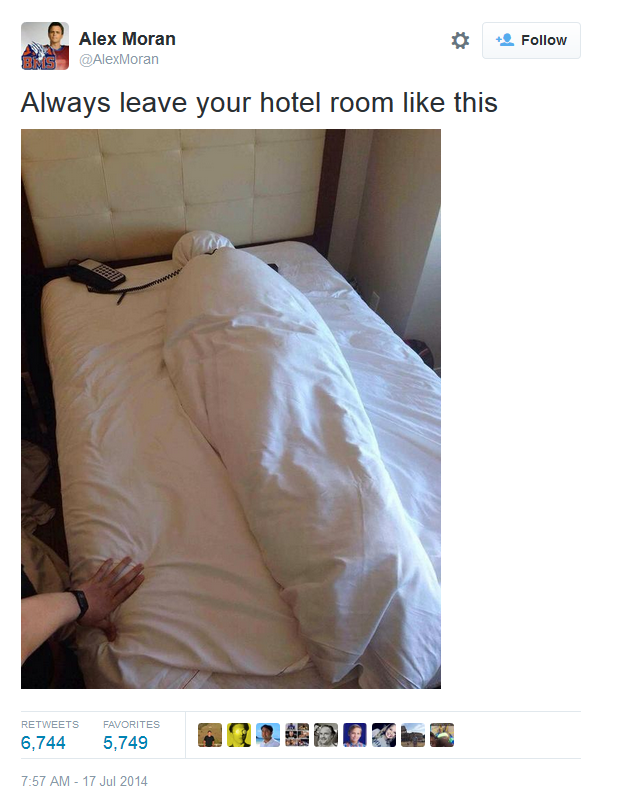
SOURCES OF PLAGIARISM: This was among the oldest tags I discovered and quite indicative of the desperate thieving that Ostrovsky practices. It appears to originate from Alex Moran, who tweeted it on July 17, 2014.
I have reached out to Mr. Moran to ask him if he was the person who snapped the photo. He has not responded.
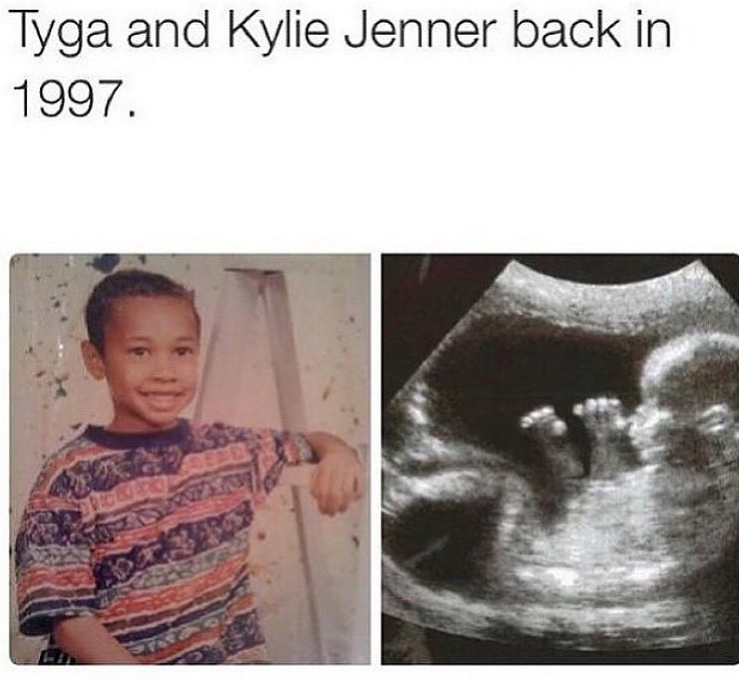
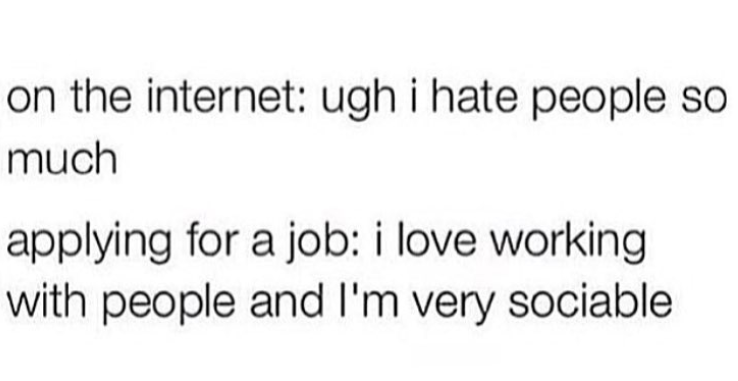
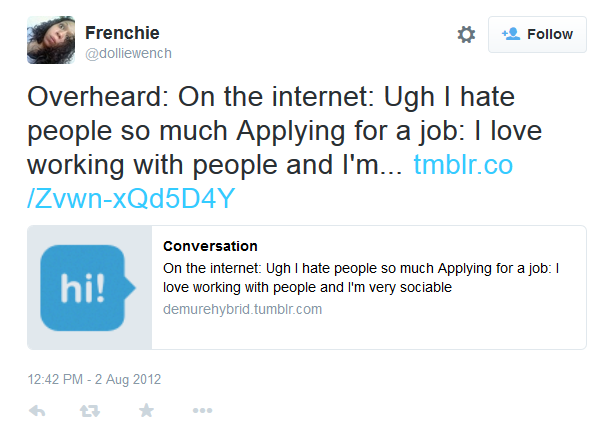
SOURCE OF PLAGIARISM: This joke has become so widely circulated that only the world’s worst hack would use it. Ostrovsky thinks so little of his audience that he’s circulating a joke that’s been around since at least August 2012, when it first started appearing Tumblr. The first Twitter link to this is from August 2, 2012:
It is sad and apt that David Carr, arguably the snappiest turtle inside the New York Times newsroom, died on the job at the age of 58. Only hours before, he’d been moderating a panel with Edward Snowden, Laura Poitras, and Glenn Greenwald. He had ascended to the nation’s foremost newspaper after a rocky battle with crack cocaine and alcohol that he chronicled in his journalistic memoir, The Night of the Gun.
Perhaps it was this personal odyssey, revealing the way that Carr weaved empathy and accuracy into a bright and highly readable bow, that helped mint David Carr as the journalist you could trust. He was a vivacious reporter who could be counted on to follow through with an opinion and cross-examine it, whether it meant contacting Jayson Blair to remark upon Mike Daisey’s theatrical deceit or gently implicating Julian Assange’s dramatists long after the Wikileaks founder had become a punchline.
Carr never had to exaggerate or embellish a detail, whether it was about himself or a subject. He was committed to finding the idiosyncratic absurdities in the real world and he had the stamina and the fortitude to hunt his stories down honestly, no matter how long it took. Where other critics opted for the nuclear takedown or the overly fawning profile, Carr carried out his columns with a fine finesse that rarely tilted to either extreme. He had a nail-hard knack for pounding rivets into people he liked and advocated, such as in this 1999 assessment of Washington Post writer Henry Allen:
Florid? His ledes have more bouquets than a Mafia don’s funeral. Overwritten? Twelve monkeys couldn’t kick up this much racket. But it’s astonishing stuff, the kind of writing that makes you leave the morning coffee untouched. Allen’s probably not going to get a Pulitzer, but he deserves some kind of goddamn medal for arguing all of those wacked-out tales past his editors.
And he turned this highly scrutinizing eye to himself in his remarkable book, The Night of the Gun, posting documents and video interviews on a website to hold himself accountable.
Carr’s sudden and surprising death not only serves as a vital reminder for journalists to do their best work today, but reveals how much the Times relied on Carr’s maverick energy. What other rocket can travel so fluidly between the Times‘s dowdy atmosphere and the crackling human universe? What reporter can possibly replace him?